New research shows that drinking sweetened beverages — even just one can a day — may significantly boost the chance of developing a serious liver condition. This raises red flags for healthcare and pharmaceutical stakeholders.
What the Study Found
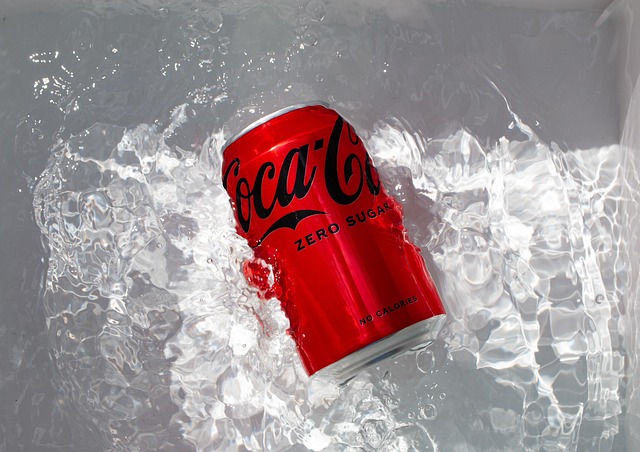
A large study of more than 100,000 people followed over a decade found that drinking more than about one can of soda per day, whether it was sugar-sweetened or diet/low-sugar, was linked to a higher risk of developing a condition called Metabolic dysfunction‑associated steatotic liver disease (MASLD) — formerly non-alcoholic fatty liver disease. The risk increase was around 50% for sugar-sweetened drinks and up to 60% for diet or low-sugar varieties.
The study also found that the amount of fat in the liver was higher in people who drank these beverages. And switching the soda out for water showed measurable risk reductions.
Why It’s Worrying
- Liver disease on the rise. MASLD is becoming more common globally. If untreated, it can lead to scar tissue (fibrosis), cirrhosis, liver cancer or failure.
- “Diet” isn’t safe. Many people assume diet sodas are a healthier choice — but this research suggests that low- or no-sugar drinks may carry risk for liver health too.
- The hidden cost. For pharmaceutical and healthcare industries, more fatty liver disease means more burden on health systems, more demand for diagnostics, treatments and potential therapies — as well as higher costs and larger unmet need.
What Might Be Happening
The study authors suggest a few possible reasons:
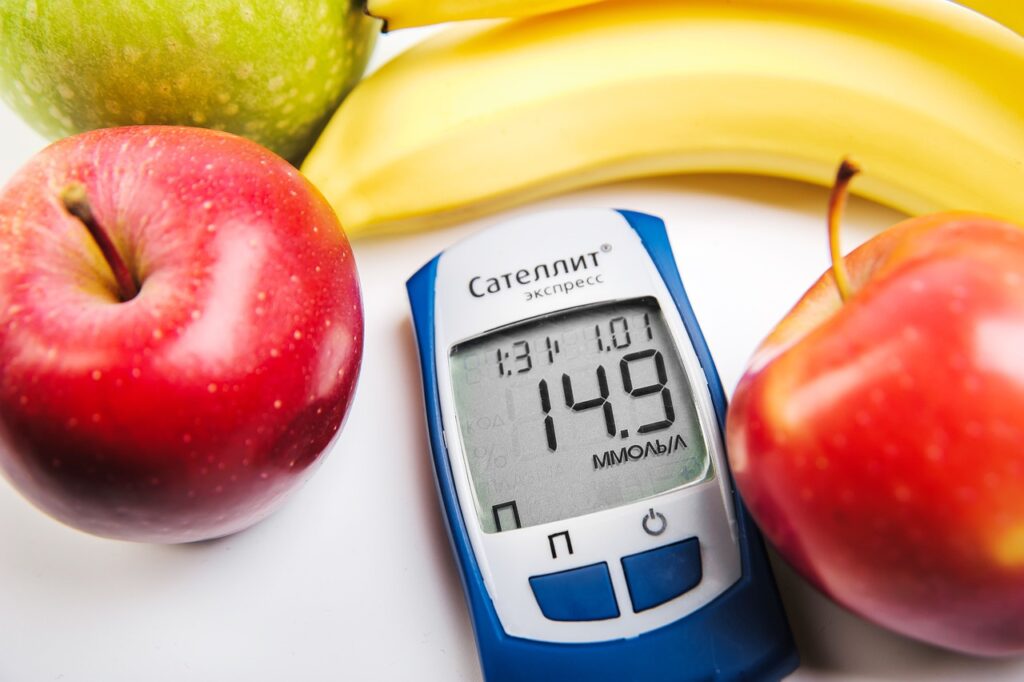
- Sugar-sweetened drinks lead to rapid blood-sugar spikes, insulin surges and fat accumulation in the liver.
- Artificially sweetened drinks may alter the gut microbiome, trick the body’s fullness cues, or stimulate sweet cravings — indirectly contributing to liver fat buildup.
However, it’s important to note this is associational research — it shows links, not direct cause and effect. Other factors (diet, exercise, genetics) may also play a role.
Implications for Pharma & Healthcare
- Therapeutic pipeline opportunity. As MASLD becomes more prominent, demand for diagnostics, monitoring tools and potential treatments rises. Companies working in liver disease or metabolic health should take notice.
- Prevention and public health focus. Healthcare systems may shift resources toward lifestyle interventions (drink replacement campaigns, screening), changing the landscape for marketed therapeutics.
- Market access and awareness. Messaging around “diet” or “low-sugar” beverages may shift. Public perception changes could impact beverage industry partnerships or health-care policy, which in turn may affect pharmaceutical market behavior (e.g., payers, guidelines).
- Cross-therapeutic impact. Liver health interacts with metabolic disease, cardiovascular disease and oncology (via risk of liver cancer). Firms in any of these segments should consider how drinking habits and liver risk may interact with their portfolios.
What Should Patients & Providers Do?
- Encourage patients to reduce or replace sweetened beverages — sugary and artificially sweetened.
- Suggest water, unsweetened tea or sparkling water as safer daily alternatives.
- For individuals at risk of fatty liver (overweight, diabetes, high-triglycerides), raise awareness of beverage consumption as a modifiable factor.
- Monitor liver health more proactively in at-risk populations, given mounting evidence of lifestyle links.
Bottom Line
Even one can of soda a day — whether “regular” or “diet” — may raise the risk of fatty liver disease, which is itself a growing health challenge. For pharma and healthcare stakeholders, this underlines the importance of prevention, innovation in liver and metabolic health, and changing public-health narratives around beverages. Water might just be the simplest yet most powerful intervention.





What about if you drink one can of soda then drink many of water behind it