A Simple Food with a Powerful Story
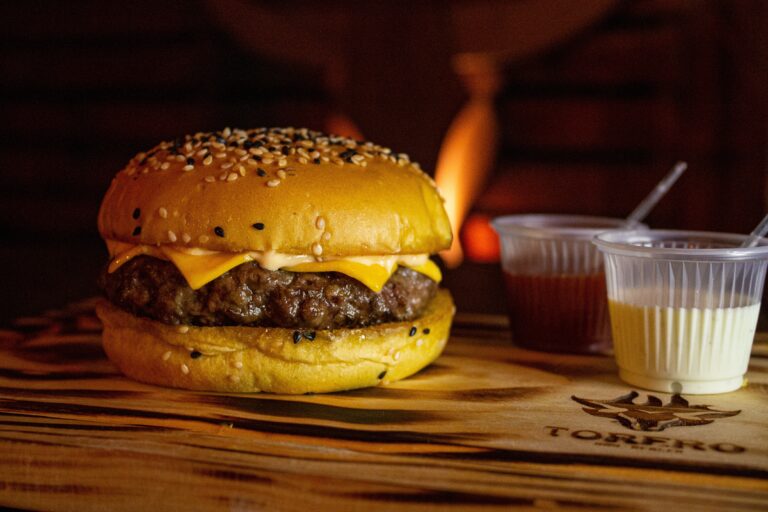
Few foods say more about America than the hamburger—simple, satisfying, and shared by just about everyone. It’s one of the rare culinary staples that transcends class, region, and lifestyle. Whether it’s grabbed through a drive-thru window, served on fine china, or flipped on a backyard grill, the hamburger has earned its place as a cornerstone of American life.
At its core, the hamburger is uncomplicated: a patty, a bun, and a handful of toppings. But that simplicity is exactly what has allowed it to evolve into a billion-dollar industry and a cultural icon. Today, burgers anchor menus across the country, from fast-food giants like McDonald’s and Wendy’s to regional favorites like In-N-Out Burger. These brands didn’t just popularize burgers—they helped define modern convenience, shaping how Americans eat on the go.
The Backbone of a Billion-Dollar Industry
The scale of the hamburger’s influence is hard to overstate. Fast food, as we know it today, was built on the efficiency and consistency of burgers. The rise of the drive-thru, the expansion of highway travel, and even the concept of standardized menus all trace back, in part, to the humble hamburger. It’s not just a meal—it’s a business model that transformed the food industry and created a global export of American culture.
These companies have grown far beyond simple restaurants. They are major economic players with massive supply chains, real estate footprints, and global reach. And at the center of it all is the burger—reliable, recognizable, and endlessly scalable.
A Staple of Everyday American Life
But what makes the hamburger truly special isn’t just its economic impact. It’s the way it seamlessly fits into everyday life. Burgers are just as likely to appear at a Fourth of July cookout as they are at a late-night stop after a long day. They’re comfort food, celebration food, and everything in between.
For many people, some of life’s most familiar moments—family gatherings, first jobs, road trips—are tied to burgers in one way or another. It’s a food that shows up consistently, quietly becoming part of the backdrop of American life.
The King of Customization
Part of that staying power comes from the burger’s unmatched versatility. No other food adapts quite as easily to changing tastes, dietary needs, and cultural trends. Beef remains the classic choice, but today’s menus regularly feature turkey burgers, plant-based alternatives, and creative spins that push the boundaries of what a burger can be.
Innovations like the Impossible Burger have expanded the category even further, offering options for those looking to reduce meat consumption without giving up the experience of a traditional burger.
This adaptability also makes the hamburger uniquely personal. It can be customized endlessly—cheese or no cheese, stacked high with toppings or kept minimal, served on a bun or wrapped in lettuce. In a country as diverse as the United States, that flexibility matters. The burger doesn’t ask people to conform; it meets them where they are.
Balancing Enjoyment and Lifestyle Needs
That idea carries even more weight when you consider how food intersects with health and lifestyle. For individuals managing chronic conditions, dietary choices often require careful thought. And yet, the hamburger still finds its place. It may be adjusted—leaner meats, alternative buns, smaller portions—but it rarely disappears entirely.
That’s because food isn’t just about nutrition; it’s about normalcy, enjoyment, and connection. The burger, in many ways, represents a balance between indulgence and moderation, something people navigate every day.
A Food That Brings People Together
Beyond nutrition and convenience, the hamburger also plays a subtle but powerful role in community. It’s one of the few foods that brings people together across generations. Kids enjoy it. Adults rely on it. Grandparents recognize it.
Whether it’s shared at a picnic table, eaten in a car, or served at a neighborhood gathering, the burger creates moments of connection that feel both ordinary and meaningful.
From Drive-Thru to Fine Dining
Even in the world of high-end dining, the hamburger has found a place. Upscale restaurants now feature gourmet versions with premium cuts of meat, artisan buns, and carefully curated toppings. These elevated takes don’t replace the classic burger—they celebrate it.
They show that even the simplest foods can be reimagined without losing their identity.
An American Classic That Endures
In a rapidly changing food landscape, where trends come and go, the hamburger remains remarkably consistent. It evolves, but it never disappears. That resilience is part of what makes it so uniquely American. It reflects a culture that values both tradition and innovation, comfort and creativity.
The next time you see a burger on a menu—or make one at home—it’s worth remembering that you’re not just looking at a meal. You’re looking at a piece of American history, a driver of industry, and a shared experience that connects millions of people every day. Simple as it may seem, the hamburger has done something extraordinary: it has brought people together, one bite at a time.
🍔 Want to Make Burgers Tonight? Start Here.
Sometimes the best meals are the simplest ones. If you’ve got 30 minutes and a grill (or even a stovetop), you can make a classic hamburger that hits every time—no complicated ingredients required.
Simple, Crowd-Pleasing Burger Recipe
Ingredients:
- 1 lb ground beef (80/20 for best flavor)
- Salt and pepper
- 4 burger buns
- 4 slices cheese (optional)
- Lettuce, tomato, onion, pickles (optional)
- Ketchup, mustard, mayo
Instructions:
- Form the patties: Divide the beef into 4 equal portions. Gently shape into patties about ¾-inch thick. Don’t overwork the meat—this keeps them juicy.
- Season simply: Sprinkle both sides with salt and pepper just before cooking.
- Heat your grill (or pan): Medium-high heat is your sweet spot.
- Cook the burgers:
- Grill for about 3–4 minutes per side for medium
- Add cheese during the last minute if using
- Toast the buns (optional but worth it): Lightly toast them on the grill for 30–60 seconds.
- Assemble and serve: Build your burger your way—classic or fully loaded.
Pro tip: Press a small dimple in the center of each patty before cooking. It helps them cook evenly and prevents puffing.
Easy Side Dish: Classic Crispy Oven Fries
Skip the fryer—these are simple and surprisingly good.
Ingredients:
- 2–3 russet potatoes
- 2 tbsp olive oil
- Salt, pepper
- Optional: garlic powder or paprika
Instructions:
- Preheat oven to 425°F
- Cut potatoes into thin strips
- Toss with olive oil and seasoning
- Spread on a baking sheet (don’t overcrowd)
- Bake 25–30 minutes, flipping halfway through
They come out crispy on the outside, soft inside—and pair perfectly with a burger.