
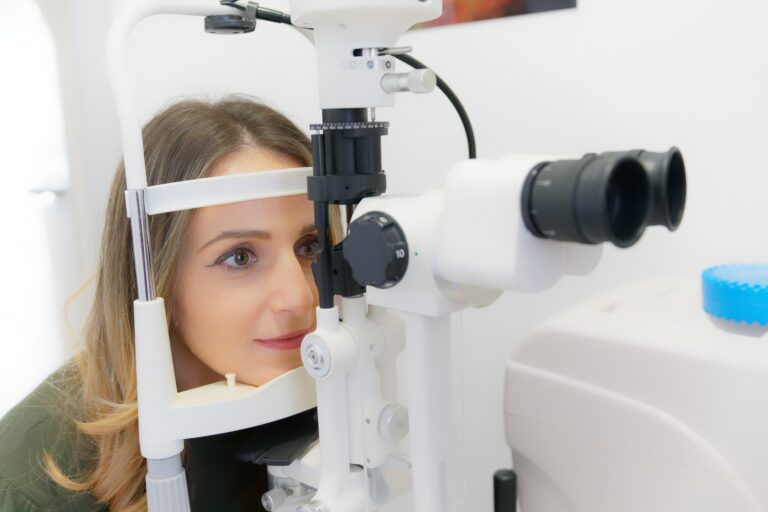
Could Early-Onset Cataracts Happen Younger Than We Think?
For many people, cataracts seem like a condition reserved for old age — something that appears sometime after retirement alongside reading glasses and gray hair.
That’s why many fans were shocked when actress Anne Hathaway recently revealed that she spent nearly a decade “legally blind” in one eye because of early-onset cataracts.
The actress explained during an interview that the condition affected much of her 30s before she eventually underwent surgery to restore her vision. Hathaway later described the improvement as life-changing, saying she didn’t fully understand how much strain her body and brain had been under until she could finally see clearly again.
Her story has sparked new conversations about early-onset cataracts, a lesser-known condition that can affect younger adults far earlier than most people expect.
What Are Cataracts?
A cataract happens when the normally clear lens inside the eye becomes cloudy over time. As the lens loses clarity, vision can gradually become blurry, dim, or distorted.
Many people describe cataracts as feeling like they’re looking through:
- a foggy window
- a dirty camera lens
- or a thin layer of smoke
While aging remains the most common cause, cataracts can sometimes develop decades earlier than expected.
That’s what makes early-onset cataracts so surprising — and often difficult to recognize.
Can Younger Adults Really Develop Cataracts?
Yes.
Although cataracts are strongly associated with aging, doctors say cataracts in younger adults are very real and may be linked to several factors, including:
- genetics
- diabetes
- smoking
- previous eye injuries
- long-term steroid medication use
- excessive UV exposure
- chronic inflammation
- certain rare medical conditions
In some cases, doctors never identify one single clear cause.
Because younger people don’t expect to experience cataracts, symptoms are often dismissed for years.
That appears to have happened in Hathaway’s case. According to her interview, the condition developed slowly enough that she adapted to the worsening vision over time.
And that may be one of the most important lessons in her story.
The Body Quietly Adjusts to Gradual Health Changes
One reason early-onset cataracts can go unnoticed is because the brain is remarkably good at compensating for gradual decline.
People often adapt slowly to:
- worsening eyesight
- hearing loss
- chronic fatigue
- poor sleep
- reduced mobility
- even persistent pain
Instead of noticing dramatic change overnight, the body subtly recalibrates day after day.
A person may simply assume:
- night driving has become “a little harder”
- reading feels “more tiring”
- lights seem “too bright”
- or their eyes are “just strained”
Over time, those adjustments become normal.
That’s why many people are stunned after finally receiving treatment for vision problems. They often don’t realize how much clarity they’ve lost until it suddenly returns.
Early Cataract Symptoms People Shouldn’t Ignore
Because early cataract symptoms can be subtle, they’re easy to overlook.
Some of the most common warning signs include:
- blurry or cloudy vision
- halos around lights
- difficulty seeing at night
- colors appearing faded or yellow
- increased sensitivity to glare
- needing brighter lighting to read
- one eye seeing differently than the other
- frequent changes in eyeglass prescriptions
These symptoms don’t always mean cataracts are present, but experts say persistent vision changes deserve medical attention — especially if they interfere with daily life.
Why Cataract Surgery Has Become So Common
The reassuring part of Hathaway’s story is that cataract surgery is now considered one of the safest and most effective medical procedures performed worldwide.
During surgery, the cloudy lens is removed and replaced with an artificial lens designed to restore clear vision.
For many patients, the results can feel dramatic.
Some report:
- brighter colors
- sharper focus
- easier night driving
- reduced eye strain
- and improved quality of life almost immediately
Modern cataract surgery is typically performed on an outpatient basis and often requires only a short recovery period.
Why Anne Hathaway’s Story Resonated With So Many People
Part of what made Hathaway’s revelation so compelling is how relatable it feels beyond eye health alone.
Many people live with subtle health problems for years because symptoms develop gradually rather than suddenly. The human body adapts quietly, and people often learn to function around issues instead of recognizing them as treatable medical conditions.
Her experience serves as an important reminder:
just because something changes slowly doesn’t mean it should be ignored.
And while early-onset cataracts remain less common than age-related cataracts, they are proof that vision problems are not always limited to older adults.
Sometimes the signs arrive much earlier than expected — one blurry street sign, one squint at a screen, or one dim room at a time.