Autumn is a season of change, not just in the weather but also in our bodies. Cooler temperatures, shifts in daily routines, and seasonal foods can all impact digestive health. Maintaining gut wellness in fall is especially important because a healthy gut supports digestion, immunity, and overall well-being. With the right strategies, you can keep your digestive system running smoothly and enjoy seasonal flavors without discomfort.
Why Gut Health Changes in Fall
Several factors can affect digestion as summer transitions to fall:
- Dietary Shifts – Fall brings heavier, heartier foods, like baked goods, squashes, and comfort meals. While delicious, these foods can be higher in fat and lower in fiber than summer produce, potentially slowing digestion.
- Reduced Physical Activity – Cooler weather can lead to less movement, which can slow gut motility and cause bloating or constipation.
- Immune System Interactions – The gut plays a central role in immunity. Seasonal changes that affect gut flora can influence overall health, including susceptibility to colds and flu.
Foods That Support Gut Health in Fall
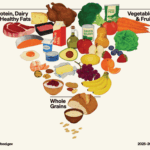
Eating a diet rich in fiber, prebiotics, and probiotics helps maintain a balanced microbiome and regular digestion:
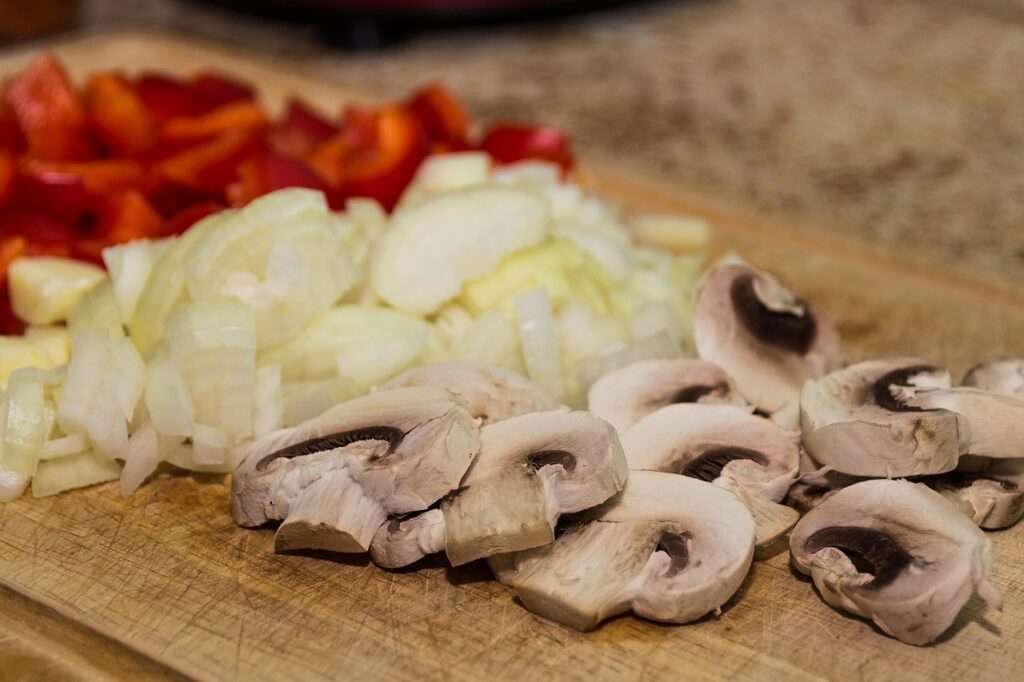
- Fiber-Rich Vegetables – Squash, pumpkin, sweet potatoes, and Brussels sprouts help feed healthy gut bacteria and support bowel regularity.
- Fruits – Apples, pears, and cranberries are seasonal sources of soluble and insoluble fiber.
- Fermented Foods – Yogurt, kefir, sauerkraut, and kimchi introduce beneficial bacteria to the gut.
- Whole Grains – Oats, barley, and whole wheat contain prebiotic fibers that nourish gut microbiota.
Healthy Habits for Digestive Wellness
Beyond food, lifestyle habits play a key role in maintaining gut health:
- Stay Active – Regular exercise stimulates intestinal contractions and helps prevent constipation.
- Hydrate – Water aids digestion, helps nutrients move through the gut, and prevents dehydration-related constipation.
- Manage Stress – High stress can disrupt gut bacteria and slow digestion. Meditation, deep breathing, and relaxation techniques can help.
- Eat Mindfully – Take time to chew food thoroughly and eat without distractions, supporting proper digestion.
Tips for Avoiding Common Fall Digestive Issues
- Limit Highly Processed Foods – Heavy or processed meals may cause bloating and discomfort.
- Incorporate Seasonal Spices – Ginger, turmeric, and cinnamon can support digestion and reduce inflammation.
- Listen to Your Body – Pay attention to foods that trigger discomfort and adjust accordingly.
The Bottom Line
Fall doesn’t have to mean digestive distress. By choosing fiber-rich foods, including probiotics, staying active, and managing stress, you can support gut health and enjoy the season comfortably. With these strategies, your digestive system can thrive through autumn, leaving you energized and ready for the cooler months ahead.