Can the food on your plate really influence your cancer risk? According to a major new study, the answer may be yes. Researchers found that following a plant-based diet—particularly a vegan diet—was linked to significantly lower rates of several types of cancer. This evidence adds to the growing conversation about how lifestyle choices, especially diet, impact long-term health.
What the Study Looked At
The study analyzed nearly 79,500 participants from the Adventist Health Study-2 in the U.S. and Canada. Participants were grouped by eating style:
- Vegan (no animal products)
- Lacto-ovo-vegetarian (dairy and/or eggs included)
- Pesco-vegetarian (fish included)
- Nonvegetarian (meat or fish at least weekly)
Researchers compared cancer diagnoses across groups, adjusting for factors like age, gender, body mass index, and other health behaviors.
Key Findings: Lower Cancer Risk with Plant-Based Eating
- Overall cancer risk was about 12% lower among vegetarians compared to nonvegetarians.
- Vegan diets showed the strongest effect, with a 24% lower cancer risk overall.
- For certain cancers, the benefits were even more striking:
- Stomach cancer: ~45% lower risk
- Colorectal cancer: ~21% lower risk
- Lymphoma/lymphoproliferative cancers: ~25% lower risk
These results suggest that eating patterns emphasizing plants may protect against multiple cancer types.
Why Plant-Based Diets May Help
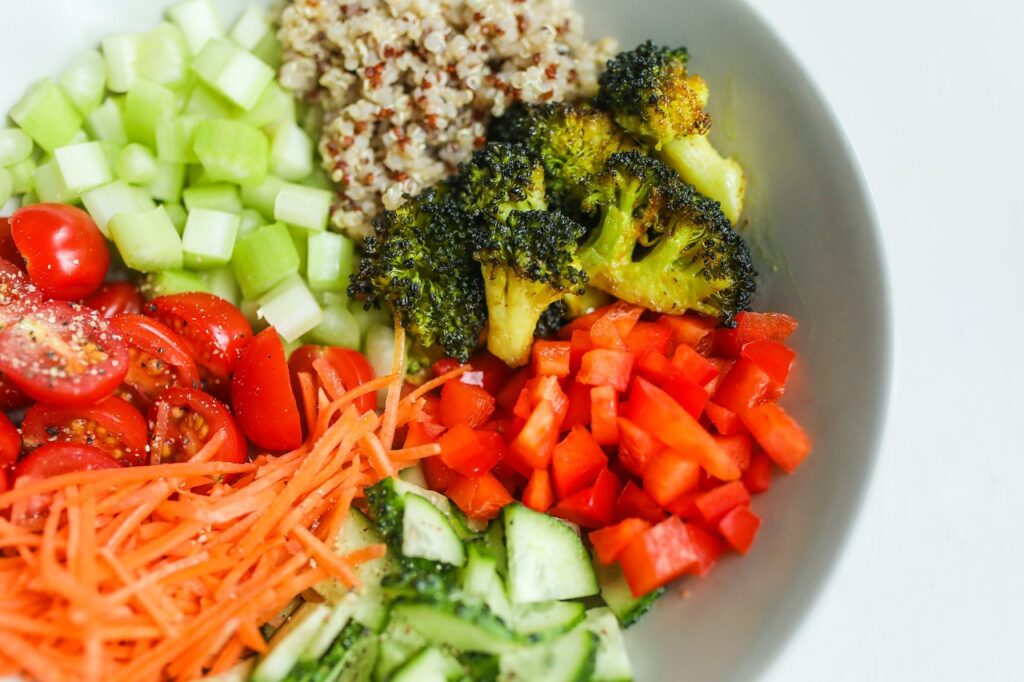
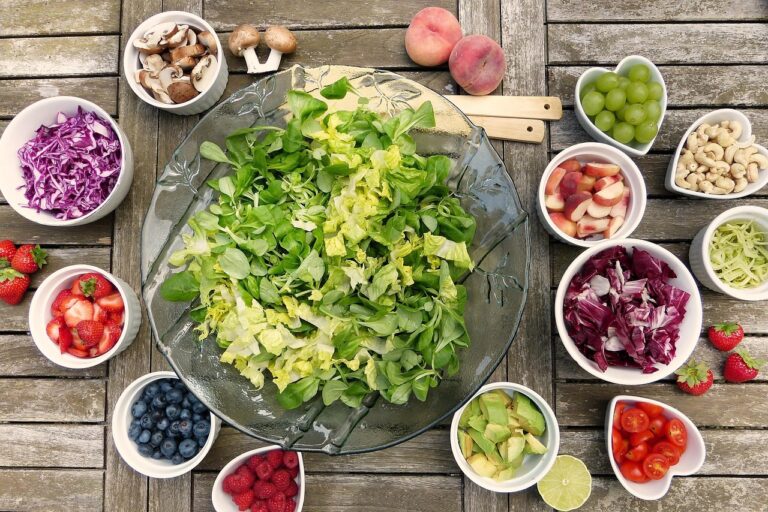
A plant-based diet and cancer risk link makes biological sense. Fruits, vegetables, whole grains, and legumes are rich in fiber, antioxidants, and phytochemicals—all nutrients that may help reduce inflammation and prevent DNA damage. Meanwhile, limiting processed and red meats reduces exposure to compounds associated with higher cancer risk.
Limitations to Keep in Mind
While encouraging, this study can’t prove cause and effect. Other lifestyle habits common among vegetarians—such as lower smoking rates or higher physical activity—may partly explain the differences. Additionally, the study population had unique dietary patterns, which might not perfectly reflect the general public.
What This Means for You
You don’t have to go fully vegan overnight to benefit. Even gradual steps toward a plant-based diet—like adding more fruits, vegetables, beans, and whole grains while cutting back on meat—can contribute to better long-term health. Patients and families considering a diet change should balance the benefits with attention to nutrients like vitamin B12, iron, and protein.
Bottom Line
This large study strengthens the evidence that a plant-based diet is linked with lower cancer risk, especially for certain types like stomach and colorectal cancer. The takeaway? Small changes—like making plants the star of your meals—can support better health and possibly reduce cancer risk over time.