
Psoriasis
Spotlight on: Biologics
- Biologics for Psoriasis: How These Treatments Work
 Psoriasis is caused by an overactive immune system that speeds up skin…
 - Are Biologics Right for You? What Psoriasis Patients Should Know
 Biologics have transformed psoriasis care, offering many patients a new way to…
 - Life on Biologics: Psoriasis Patient Experiences
 Psoriasis affects more than the skin—it can influence self-esteem, daily routines, and…
What Is Psoriasis?
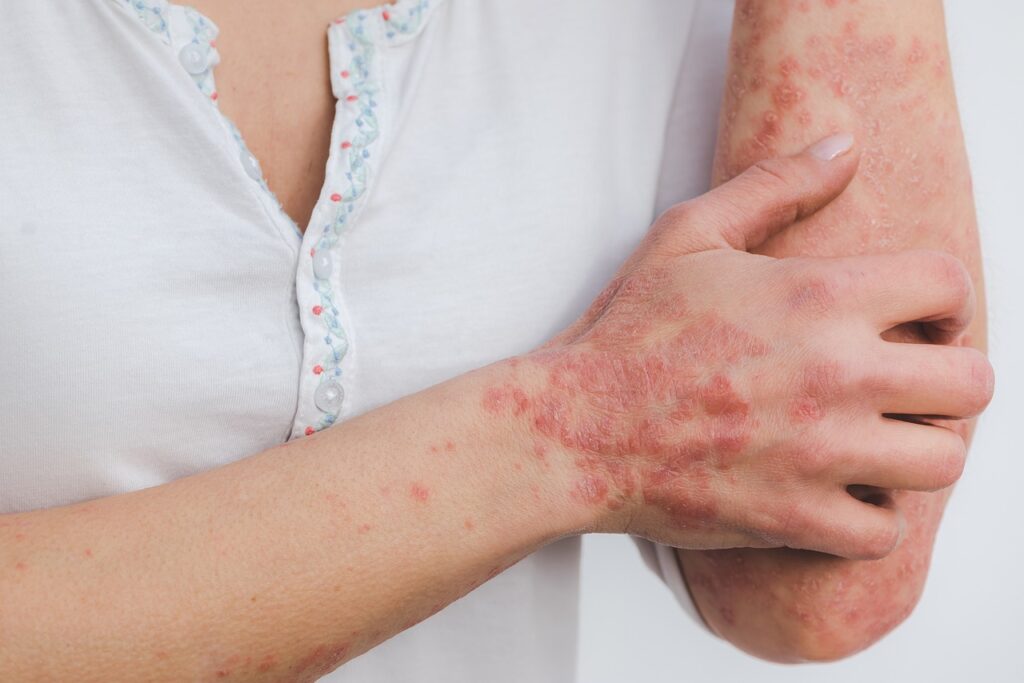
Psoriasis is a chronic autoimmune condition that causes the rapid buildup of skin cells, leading to scaling, redness, and inflammation. It’s like the skin’s natural renewal process stuck on fast forward. Common areas affected include the scalp, elbows, knees, and lower back.
- Psoriasis or Eczema? How to Tell the Difference
 Psoriasis and eczema are both common skin conditions that can cause redness,…
 - Beyond the Skin: Understanding Psoriatic Arthritis
 Psoriasis is commonly recognized by its red, scaly patches on the skin.…
 - Kim Kardashian’s Skin Condition and the Signs You Should Watch For
 When Kim Kardashian first revealed she had psoriasis, many fans were surprised…
Psoriasis Symptoms and Causes Explained
Symptoms include red patches of skin covered with thick, silvery scales, dry or cracked skin that may bleed, itching, burning sensations, and thickened nails. Flare-ups can vary in severity and frequency.
The exact cause of psoriasis isn’t fully understood, but it involves an overactive immune system that triggers inflammation. Genetic and environmental factors, such as infections, stress, or certain medications, can also play a role.
- Early Psoriasis Signs You Shouldn’t Ignore
 Psoriasis is often thought of as obvious from the start, but many…
Psoriasis Statistics and What They Mean for You
Psoriasis affects about 7.5 million people in the United States. While it’s a lifelong condition with no cure, treatments can effectively manage symptoms and improve quality of life.
Management and Treatment
Treatment options include topical treatments (like corticosteroids and vitamin D analogs), phototherapy, and systemic medications such as biologics. Lifestyle changes, like moisturizing regularly and managing stress, can also help reduce flare-ups.
- Psoriasis at Work: Comfort & Confidence Tips
 Smart strategies to manage flare-ups and stress on the job. Psoriasis and…
 - Shower, Sleep, Skincare: Building a Psoriasis-Friendly Routine
 Managing psoriasis isn’t just about treatments—it’s about lifestyle choices that reduce flares…
 - When Psoriasis Flares at Work or School: Practical Coping Tips
 Flares don’t always happen at convenient times. A sudden patch or intense…
Living Well with Psoriasis: Tips and Daily Life Strategies
Living with psoriasis involves managing triggers, adhering to treatment plans, and seeking support from healthcare providers and communities. Many find comfort in connecting with others who understand their experiences.
- Stay Confident at Work — Even With Psoriasis
 Natural remedies and smart strategies to ease flare-ups on the job. Psoriasis…
 - Dating with Psoriasis: Empowering Women to Build Connections
 Navigating romance with psoriasis doesn’t have to be intimidating. Dating can be…
 - Love, Sex, and Dating with Psoriasis: What Really Works
 Expert tips to navigate dating with confidence and connection Dating with psoriasis…
Psoriasis Concerns Patients Often Ask About
Psoriasis is a chronic autoimmune condition that primarily affects the skin, but its impact goes far beyond physical symptoms. Here are the top concerns for individuals managing psoriasis:
- The Link Between PsO, Heart Disease and Diabetes
 Psoriasis is often thought of as just a skin condition. Red, scaly…
 - From Work to Relationships: How Psoriasis Affects Everyday Life
 Psoriasis doesn’t just show up on the skin—it shows up in everyday…
 - Is My Psoriasis Getting Worse? 5 Signs to Watch For
 Living with psoriasis often means navigating ups and downs—some days your skin…
Psoriasis Pain and Itching: Why it Happens and What Helps
Psoriasis causes raised, red, and scaly patches on the skin that can be itchy, painful, and prone to cracking or bleeding. Managing these symptoms is a primary concern for individuals living with the condition.
- Weather and Psoriasis: Why Winter Is So Tough on Skin
 If you’ve noticed that your psoriasis seems worse in the winter months,…
 - Clothes That Comfort: Choosing Fabrics That Don’t Irritate
 Psoriasis isn’t just about what you put on your skin—it’s about what…
 - Psoriasis-Proof Your Skin: Moisture, Magic, and TLC!
 Living with psoriasis can feel like your skin has decided to throw…
Emotional and Mental Health
The visibility of psoriasis often leads to feelings of self-consciousness, anxiety, or depression. Many individuals worry about social stigma and the emotional toll of living with a chronic, visible condition.
- Breaking the Stigma: Living Proudly with Visible Psoriasis
 Living with visible psoriasis can feel like wearing your condition on your…
 - Finding Support: Online Communities, Therapy, and Beyond
 Psoriasis can be an isolating condition. When symptoms flare, many people withdraw…
 - The Silent Struggle: Anxiety and Depression in Psoriasis Patients
 Psoriasis isn’t just a physical condition. For many people, the emotional impact…
Psoriasis Triggers, Flares and Lifestyle Management
Psoriasis symptoms can worsen due to triggers like stress, infections, or certain medications. Identifying and avoiding these triggers can be a constant challenge.
- Can Food Really Trigger Psoriasis? Sorting Myth from Fact
 You may have heard that certain foods “cause” psoriasis or make it…
 - Managing Psoriasis Flare-Ups: Everyday Tips That Actually Help
 Psoriasis flare-ups can be frustrating and unpredictable, but there are strategies to…
 - The Stress-Psoriasis Link: Why Your Mind Affects Your Skin
 Psoriasis is influenced by more than genetics and immune function—your mental state…
How Well do Psoriasis Treatments Work?
Finding a treatment that effectively manages symptoms can be a long process. Concerns about the efficacy, side effects, and cost of treatments—ranging from topical creams to biologics—are common.
Psoriasis and Related Health Conditions
Psoriasis is linked to other health conditions, such as psoriatic arthritis, cardiovascular disease, and diabetes. Managing these additional health risks is a critical concern.
Finding Quality Psoriasis Care
Dermatology appointments, treatments, and specialty care can be expensive or difficult to access. Ensuring consistent, high-quality care remains a concern for many patients.