
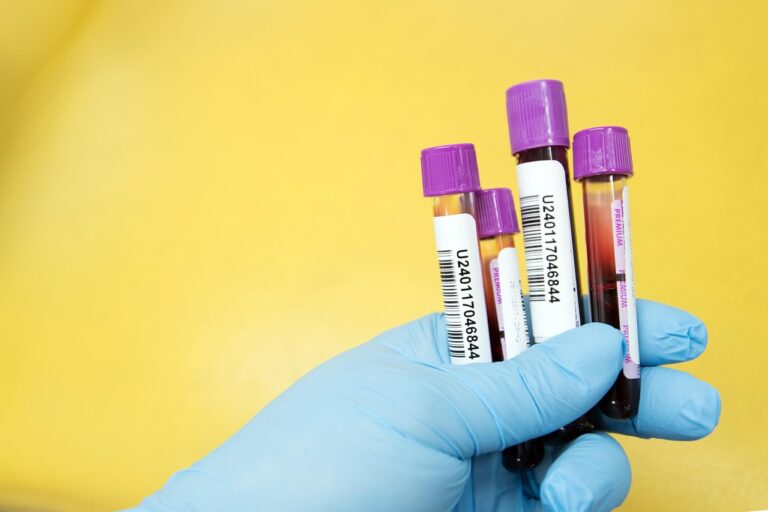
A single blood test that screens for over 50 cancers sounds like science fiction — yet it’s real. The Galleri test, a new multi-cancer blood test, analyzes DNA fragments in the blood to flag potential tumors. Early studies show promise, especially for hard-to-detect cancers. But it’s not a magic bullet: standard screenings and careful follow-up remain crucial. Click below to explore what this test can do, its limitations, and what it could mean for your health.
Could a blood test really detect 50+ cancers?
That’s the promise behind the multi-cancer blood test developed by Bay Area biotech companies. Known as the Galleri test, it could revolutionize how cancers are detected — particularly those that are often found late, like pancreatic or ovarian cancer. But experts urge caution: while the test is groundbreaking, it’s not yet a replacement for standard cancer screenings.
How the Galleri Test Works
The Galleri test is a type of “liquid biopsy,” analyzing fragments of DNA shed by tumors into the bloodstream. By looking for specific genetic signals associated with cancer, it can flag the presence of a tumor — sometimes even before symptoms appear.
Key points about the test’s technology:
- Detects cell-free DNA methylation patterns that are often abnormal in cancer.
- Uses a blood sample, making it minimally invasive compared to tissue biopsies.
- Can sometimes identify the tissue of origin, which helps guide follow-up testing.
This method represents a major shift from traditional screening, which usually targets one organ at a time, like mammograms for breast cancer or colonoscopies for colorectal cancer.
What the Evidence Shows So Far
Studies on the Galleri test, including trials cited by the American Academy of Family Physicians (AAFP), indicate promising results:
- In a large study, the test detected more than 50 cancer types with moderate sensitivity, especially in cancers that are difficult to detect early.
- Overall, the Galleri test correctly identified cancer in roughly 67% of cases in participants who had multiple cancers, depending on cancer type and stage.
- False positives — cases where the test flagged cancer incorrectly — were relatively low, which is crucial to avoid unnecessary anxiety and procedures.
Early evidence also suggests the test could complement existing screenings rather than replace them, offering a potential “first alert” for cancers that don’t yet have standard screening options.
Important Limitations to Keep in Mind
Despite the excitement, there are clear limitations to the test:
- Not a replacement for standard screening — Tests like mammograms, Pap smears, and colonoscopies remain essential.
- Sensitivity varies by cancer type — Some cancers are still harder to detect early, even with this test.
- Follow-up is necessary — A positive test doesn’t confirm cancer. Patients need imaging and clinical evaluation to confirm results.
- Cost and access — Currently, the test is not universally covered by insurance, which could limit availability.
Experts emphasize that the test is most beneficial for adults at higher risk due to age, family history, or genetic predisposition, rather than as a routine population-wide screen for everyone.
What This Means for You
If you’re curious about the multi-cancer blood test, here’s how to approach it responsibly:
- Discuss with your doctor whether it’s appropriate for your personal risk profile.
- Don’t skip standard screenings — mammograms, colonoscopies, and other established tests remain critical.
- Consider it as supplemental information — a tool that could alert you to cancers that are otherwise hard to detect.
- Plan follow-up steps — if the test is positive, additional imaging or specialist evaluation is necessary.
The key takeaway is that while the Galleri test offers exciting possibilities, it’s part of a larger picture of cancer prevention and early detection.
Small Steps, Big Potential
The development of a multi-cancer blood test is a remarkable milestone in medical technology. It highlights the potential of liquid biopsies to catch cancers earlier, when treatment is more effective.
For patients, the most practical takeaway is empowerment: stay informed, discuss options with your healthcare provider, and continue proven screenings. With cautious optimism, tools like the Galleri test could become an important part of future cancer care.A single blood test that screens for over 50 cancers sounds like science fiction — yet it’s real. The Galleri test, a new multi-cancer blood test, analyzes DNA fragments in the blood to flag potential tumors. Early studies show promise, especially for hard-to-detect cancers. But it’s not a magic bullet: standard screenings and careful follow-up remain crucial. Click below to explore what this test can do, its limitations, and what it could mean for your health.
Could a blood test detect 50+ cancers?
That’s the promise behind the multi-cancer blood test developed by Bay Area biotech companies. Known as the Galleri test, it could revolutionize how cancers are detected — particularly those that are often found late, like pancreatic or ovarian cancer. But experts urge caution: while the test is groundbreaking, it’s not yet a replacement for standard cancer screenings.
How the Galleri Test Works
The Galleri test is a type of “liquid biopsy,” analyzing fragments of DNA shed by tumors into the bloodstream. By looking for specific genetic signals associated with cancer, it can flag the presence of a tumor — sometimes even before symptoms appear.
Key points about the test’s technology:
- Detects cell-free DNA methylation patterns that are often abnormal in cancer.
- Uses a blood sample, making it minimally invasive compared to tissue biopsies.
- Can sometimes identify the tissue of origin, which helps guide follow-up testing.
This method represents a major shift from traditional screening, which usually targets one organ at a time, like mammograms for breast cancer or colonoscopies for colorectal cancer.
What the Evidence Shows So Far
Studies on the Galleri test, including trials cited by the American Academy of Family Physicians (AAFP), indicate promising results:
- In a large study, the test detected more than 50 cancer types with moderate sensitivity, especially in cancers that are difficult to detect early.
- Overall, the Galleri test correctly identified cancer in roughly 67% of cases in participants who had multiple cancers, depending on cancer type and stage.
- False positives — cases where the test flagged cancer incorrectly — were relatively low, which is crucial to avoid unnecessary anxiety and procedures.
Early evidence also suggests the test could complement existing screenings rather than replace them, offering a potential “first alert” for cancers that don’t yet have standard screening options.
Important Limitations to Keep in Mind
Despite the excitement, there are clear limitations to the test:
- Not a replacement for standard screening — Tests like mammograms, Pap smears, and colonoscopies remain essential.
- Sensitivity varies by cancer type — Some cancers are still harder to detect early, even with this test.
- Follow-up is necessary — A positive test doesn’t confirm cancer. Patients need imaging and clinical evaluation to confirm results.
- Cost and access — Currently, the test is not universally covered by insurance, which could limit availability.
Experts emphasize that the test is most beneficial for adults at higher risk due to age, family history, or genetic predisposition, rather than as a routine population-wide screen for everyone.
What This Means for You
If you’re curious about the multi-cancer blood test, here’s how to approach it responsibly:
- Discuss with your doctor whether it’s appropriate for your personal risk profile.
- Don’t skip standard screenings — mammograms, colonoscopies, and other established tests remain critical.
- Consider it as supplemental information — a tool that could alert you to cancers that are otherwise hard to detect.
- Plan follow-up steps — if the test is positive, additional imaging or specialist evaluation is necessary.
The key takeaway is that while the Galleri test offers exciting possibilities, it’s part of a larger picture of cancer prevention and early detection.
Small Steps, Big Potential
The development of a multi-cancer blood test is a remarkable milestone in medical technology. It highlights the potential of liquid biopsies to catch cancers earlier, when treatment is more effective.
For patients, the most practical takeaway is empowerment: stay informed, discuss options with your healthcare provider, and continue proven screenings. With cautious optimism, tools like the Galleri test could become an important part of future cancer care.