
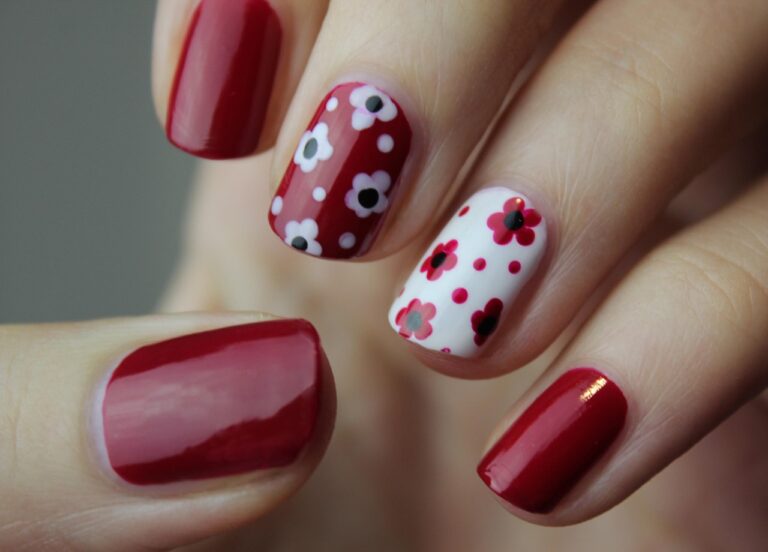
If you love the look of a glossy gel manicure, you may be surprised to learn that many popular gel polishes are no longer legal to use or sell in Europe. Starting September 1, 2025, the European Union banned cosmetics containing trimethylbenzoyl diphenylphosphine oxide (TPO), a chemical widely used in gel nail polish. While the decision has sparked concern in the beauty industry overseas, here in the United States the same products remain available—and unregulated.
So, what exactly happened in Europe, and should Americans be worried?
What the Ban Covers
The ban isn’t on gel nails themselves but on one key ingredient: TPO. This chemical is a photoinitiator, meaning it helps gel polish harden under UV or LED lamps. Without it, many popular formulas wouldn’t set properly.
The problem? After reviewing scientific data, EU regulators classified TPO as a Category 1B substance—a label reserved for chemicals considered carcinogenic, mutagenic, or toxic for reproduction. Animal studies suggested TPO could affect fertility and organ health at high levels of exposure, leading regulators to conclude the risk wasn’t worth taking.
That means as of September 2025, any cosmetic product containing TPO—professional or consumer—cannot be sold or used across the EU. Salons have been told to stop offering services with TPO-based polishes immediately.
Why the U.S. Isn’t Following
Across the Atlantic, nothing has changed. TPO remains completely legal in the United States. The reason lies in the different ways the EU and U.S. regulate cosmetics.
- Europe takes a precautionary approach, banning or restricting ingredients as soon as evidence raises concern.
- The U.S. Food and Drug Administration (FDA) generally waits for stronger evidence—especially in humans—before stepping in. Unless there’s clear proof of harm, most cosmetic ingredients are left on the market.
So far, no studies have shown that TPO exposure through manicures poses a direct risk to human health. That’s why U.S. regulators have not restricted its use.
Impact on Salons and Manufacturers
While the EU ban applies only to Europe, the ripple effects reach far beyond. Major international beauty brands are already reformulating products to remove TPO, ensuring they can continue selling worldwide.
Some nail techs in Europe are frustrated, arguing that there’s no proof gel manicures actually harm clients. Others welcome the ban, saying it pushes the industry toward safer innovation.
In the U.S., salons may continue using TPO-based gels, but many are beginning to stock TPO-free alternatives to appeal to more health-conscious customers. Brands such as ProNails, Gel Monsta, and others already offer reformulated gels that meet the new standard.
What Consumers Should Know
If you’re worried about the safety of your gel manicures, here are some practical steps to consider:
- Ask your salon about ingredients. Many are transitioning to TPO-free gels, and you can request them.
- Limit frequency. Occasional gel manicures are less concerning than constant exposure.
- Protect your skin. Wearing sunscreen or protective gloves during curing may help reduce UV risks, too.
- Follow industry shifts. As global brands reformulate, TPO-free products will likely become the norm.
Why It Matters
At first glance, this may seem like just a beauty story—but it’s also about public health and consumer protection. The EU ban highlights the gap between European and American approaches to safety regulation. While Europe prioritizes precaution, the U.S. typically waits for stronger proof before acting.
For now, American consumers still have access to TPO-based gels, but market forces are already reshaping the shelves. In time, the U.S. may follow Europe’s lead—not through regulation, but because safer products simply become the industry standard.