
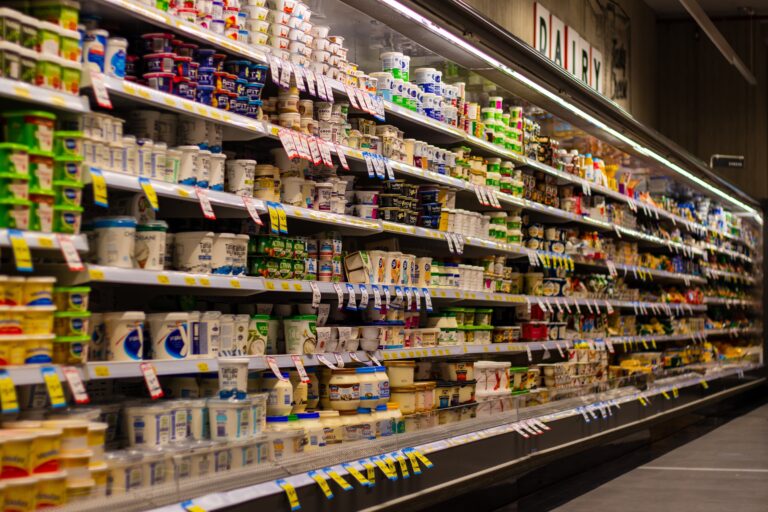
For millions of Americans, the weekly grocery trip has quietly become one of the most frustrating parts of modern life.
The total at checkout keeps climbing. Staples that once felt affordable now seem surprisingly expensive. And even families earning solid middle-class incomes are beginning to ask the same uncomfortable question:
How did groceries get this expensive?
Now, economists and food industry experts warn that another wave of higher grocery prices could be on the way — adding fresh pressure to household budgets that already feel stretched thin.
Grocery Prices Are Still Climbing in Key Categories
While overall inflation has cooled from its peak, many food prices remain stubbornly high. In some grocery aisles, costs are still rising faster than wages.
Consumers continue to report sticker shock over everyday essentials like:
- Eggs
- Beef
- Coffee
- Fresh produce
- Dairy products
- Snack foods
- Frozen meals
The issue isn’t just that groceries cost more than they did a few years ago. It’s that prices have risen so sharply, so quickly, that many families never fully adjusted.
A grocery bill that once totaled $150 can now easily push past $250 without shoppers feeling like they bought much more.
That growing frustration is becoming one of the defining financial realities of American life in 2026.
Why Grocery Prices Keep Rising
Several economic pressures are continuing to push food prices higher across the country.
Among the biggest factors:
Supply Chain Instability
Global shipping problems may not dominate headlines the way they did during the pandemic, but supply chain disruptions still affect food production and transportation costs.
Labor Costs
Food manufacturers, farms, trucking companies, and grocery stores continue facing higher labor expenses, which often get passed along to consumers.
Climate and Weather Problems
Droughts, flooding, extreme heat, and unpredictable growing seasons have damaged crops and reduced supply for certain foods.
Energy and Transportation Costs
When fuel prices rise, nearly every part of the food system becomes more expensive — from farming equipment to refrigerated trucking.
Corporate Pricing Pressure
Some analysts and consumer advocates also argue that large food companies have taken advantage of inflationary psychology, raising prices beyond what higher costs alone would justify.
For shoppers standing in the cereal aisle, however, the reason matters less than the result.
Everything simply costs more.
Middle-Class Families Are Feeling the Squeeze
One of the most important shifts in America’s grocery crisis is who’s feeling the pressure.
For years, conversations about food insecurity focused primarily on low-income households. But increasingly, middle-class families are also struggling with the emotional and financial stress caused by rising grocery costs.
Families with decent jobs, stable housing, and two incomes are finding themselves:
- Cutting back on restaurant meals
- Switching to cheaper brands
- Buying fewer snacks and extras
- Delaying other purchases
- Watching weekly budgets far more closely
Many parents say grocery shopping now feels mentally exhausting.
There’s also a psychological component to the frustration. Grocery shopping is one of the few expenses Americans encounter constantly and directly. Unlike rent or insurance, food prices are visible every single week.
That repeated exposure makes inflation feel deeply personal.
Americans Are Changing the Way They Shop
The rising cost of food is also changing consumer behavior in noticeable ways.
Shoppers are increasingly:
- Purchasing store brands instead of name brands
- Shopping at discount chains
- Buying in bulk
- Planning meals more carefully
- Looking for coupons and loyalty programs
- Reducing impulse purchases
Some consumers are even cutting back on healthier foods because fresh items often cost significantly more than processed alternatives.
That trend worries nutrition experts, who warn that prolonged food inflation can create long-term health consequences if families consistently choose cheaper, less nutritious options.
Will Grocery Prices Ever Go Back Down?
That’s the question many Americans keep asking.
Unfortunately, experts say most grocery prices are unlikely to return to pre-pandemic levels. While certain products may fluctuate or temporarily decline, the broader trend suggests Americans may need to adapt to a permanently more expensive food environment.
What may improve is the pace of increases.
In other words, prices may stop rising as rapidly — but that doesn’t necessarily mean groceries will feel affordable again anytime soon.
For many families, that reality is difficult to accept.
Because the stress isn’t only financial anymore.
It’s emotional.
And every trip to the grocery store feels like another reminder that ordinary American life has become far more expensive than it used to be.





Iv worked hard my whole life,my husband has too,my grown children do too,w all NOW ARE STRUGGLING TO PA Y FOR ROOF OVER OUR HEADS,FOID IN OUR STOMACHS,AND A FEELING OF SECURITY.