Fast food isn’t exactly known for its health halo. But if we’re all being honest, most of us eat it on occasion.
Whether you’re rushing between appointments, traveling, shuttling kids to activities, or simply too tired to cook, there are times when a drive-thru is the most practical option available.
The good news is that ordering fast food doesn’t have to derail your health goals. Registered dietitians often point out that the healthiest fast food meal isn’t necessarily found at a special restaurant—it’s found by making a few smarter choices from menus that millions of Americans already use every day.
The key is knowing what to look for.
The Biggest Mistake People Make
Many people focus on a single item.
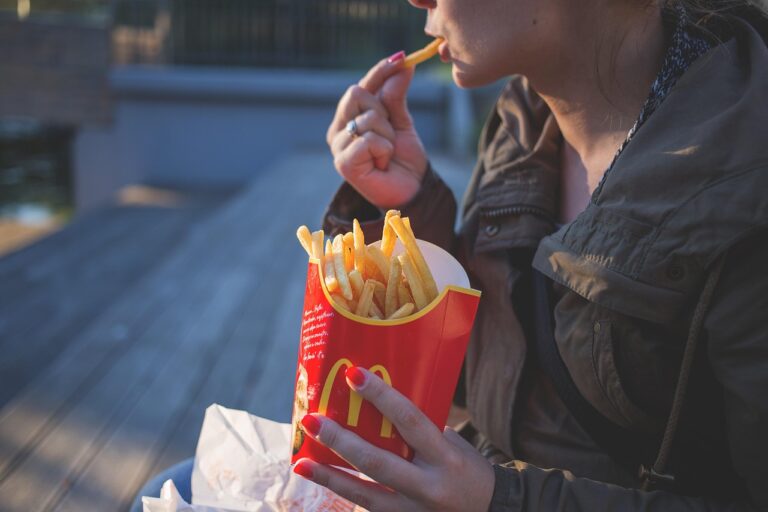
They’ll order a grilled chicken sandwich and assume they’re making a healthy choice, then add a large order of fries, a sugary drink, and a dessert.
Nutrition experts encourage looking at the entire meal instead.
A meal’s nutritional impact comes from the combination of calories, protein, fiber, sodium, saturated fat, and added sugars—not from one menu item in isolation.
In other words, a relatively healthy entrée can quickly become a less healthy meal depending on what accompanies it.
Protein Is Your Friend
One of the simplest ways to improve a fast-food order is to prioritize protein.
Protein helps support muscle maintenance, promotes satiety, and may help prevent the energy crash that often follows highly processed, carbohydrate-heavy meals.
Good options often include:
- Grilled chicken sandwiches
- Grilled chicken wraps
- Turkey-based sandwiches
- Bean-based burrito bowls
- Egg-based breakfast sandwiches
When possible, choosing grilled proteins instead of fried options can reduce calories and saturated fat without sacrificing satisfaction.
Look for Vegetables Wherever You Can Find Them
Fast-food menus are not exactly overflowing with vegetables.
That’s why dietitians often recommend adding produce whenever the opportunity presents itself.
Extra lettuce, tomatoes, onions, peppers, cucumbers, salsa, or side salads can increase nutrients and fiber while adding relatively few calories.
Even small additions matter.
The goal isn’t perfection—it’s improving the overall nutritional quality of the meal.
Beware of Liquid Calories
One of the easiest ways to transform a fast-food meal is by changing the beverage.
Sugary sodas, sweet teas, flavored coffees, and specialty beverages can add hundreds of calories without providing much satiety.
Water remains the simplest option.
Unsweetened tea, sparkling water, or lower-sugar beverages may also help reduce overall sugar intake while still complementing the meal.
For many people, changing the drink alone has a larger impact than changing the sandwich.
Portion Size Often Matters More Than the Menu
Fast-food restaurants have become famous for upsizing.
Larger portions may seem like a bargain, but they can dramatically increase calorie, sodium, and saturated fat intake.
Choosing a regular-sized entrée instead of the largest available option is often one of the healthiest decisions on the menu.
The same principle applies to fries, desserts, and sugary beverages.
Sometimes the healthiest choice isn’t choosing a different food—it’s choosing less of it.
Some Surprisingly Smart Fast-Food Choices
Many major chains now offer menu items that can fit into a balanced eating pattern.
Examples may include:
- Grilled chicken sandwiches
- Burrito bowls loaded with vegetables
- Chili-based meals
- Salads with lean protein
- Egg-and-cheese breakfast sandwiches
- Oatmeal at breakfast
- Bean-based menu options
The healthiest fast food orders tend to share common characteristics: reasonable portions, a source of protein, some fiber, and fewer heavily fried ingredients.
What Dietitians Often Suggest Limiting
No food needs to be completely off-limits.
That said, nutrition experts frequently recommend treating certain menu items as occasional indulgences rather than everyday choices.
These often include:
- Double or triple burgers
- Large fried combo meals
- Oversized milkshakes
- Deep-fried specialty sandwiches
- Desserts with large amounts of added sugar
- Meals containing multiple fried components
The issue is rarely one ingredient.
It’s the combination of excess calories, sodium, saturated fat, and added sugar in a single meal.
Healthy Eating Is About Patterns
Perhaps the most important thing to remember is that no single fast-food meal determines your health.
What matters most is your overall pattern of eating over weeks, months, and years.
An occasional burger isn’t likely to cause health problems.
Likewise, one salad won’t instantly improve your health.
Long-term habits matter far more than individual meals.
That’s why dietitians often encourage people to stop thinking in terms of “good foods” and “bad foods.” Instead, focus on making slightly better choices whenever opportunities arise.
If fast food is part of your life—and for many Americans, it is—the healthiest approach may simply be learning how to navigate the menu more thoughtfully.
Small decisions, repeated consistently, tend to have the biggest impact.