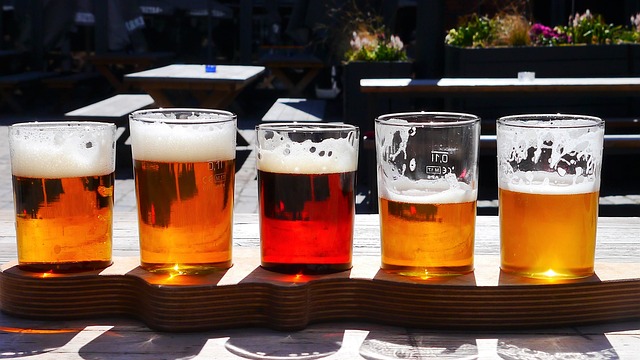
Americans are putting down their glasses in record numbers. A new Gallup poll shows that only 54% of adults in the U.S. say they drink alcohol—the lowest percentage since Gallup began tracking drinking habits in 1939.
That figure edges out the previous low of 55% back in 1958, signaling a major shift in how people think about alcohol. And according to experts, the change is fueled by both health concerns and cultural shifts.
From “A Glass of Wine a Day” to “No Safe Level”
For years, moderate drinking—especially red wine—was thought to carry some health benefits. But newer research has shifted the narrative. Scientists now agree that even moderate drinking can pose health risks, including higher chances of cancer, depression, and anxiety.
Sarah Dermody, a psychology professor at Toronto Metropolitan University, says the difference comes down to how the science is interpreted. Earlier studies often showed correlations—like healthier outcomes for moderate drinkers—but didn’t always account for underlying factors. “Once you control for those,” she explained, “the data point to alcohol itself as a risk.”
Young Adults Are Leading the Way
The Gallup survey revealed that younger adults are drinking less than older generations. Just 50% of people ages 18–34 reported drinking, compared to 56% of adults over 35. And two-thirds of young adults believe that even moderate drinking is harmful—far more than older adults.
Sara McMullin, a psychology professor at Webster University, says young people grew up hearing messages about “safe levels” of drinking and took them seriously. They’re also part of a culture that has made it more acceptable to say no to alcohol. Movements like Dry January and Sober October, along with the rise of mocktails and alcohol-free beer, have created alternatives that didn’t exist for previous generations.
On top of that, many young adults are facing financial pressures, and alcohol is seen as a costly luxury rather than a necessity. “It’s not just about health,” McMullin said. “It’s also about priorities.”
Gender Gaps and Social Norms
The survey also showed sharp differences between men and women. Women’s alcohol use dropped by 11 percentage points since 2023, compared to a five-point drop for men. Women were far more likely to prefer wine (44%), while men leaned heavily toward beer (52%).
Dermody suggests that these gaps come down to social norms. Men often drink in settings where beer is central—like sports events—while women may see wine as more acceptable in their circles. At the same time, women tend to be more health-conscious and may turn to social support instead of alcohol when stressed. Men, on the other hand, may be more likely to cope by drinking.
Alcohol vs. Marijuana
One question researchers are asking is whether people are swapping alcohol for marijuana. Gallup says marijuana use has been fairly steady over the past four years. But Gail D’Onofrio, a professor at Yale University, points to federal survey data showing marijuana use rising among adults over 26.
Unlike alcohol, though, marijuana presents a challenge when it comes to defining a “standard dose.” “One kind of knows what a standard drink is,” D’Onofrio explained. “The problem I have with cannabis is I can’t tell you how much to take.”
A Lasting Shift?
While the numbers are striking, experts caution that it’s too soon to call this a long-term trend. But the combination of evolving health research, changing cultural norms, and financial pressures could mean that America’s drinking habits are shifting for good.
For now, one thing is clear: fewer Americans are raising a glass—and they don’t seem to miss it.