Ultra-processed foods are everywhere — from the quick snacks in your pantry to many of the meals on grocery store shelves. While convenient and tasty, growing research shows that these products may carry serious health risks. With some experts comparing their dangers to those of tobacco, the question is no longer whether ultra-processed foods are harmful, but how much damage they’re doing.
What Are Ultra-Processed Foods?
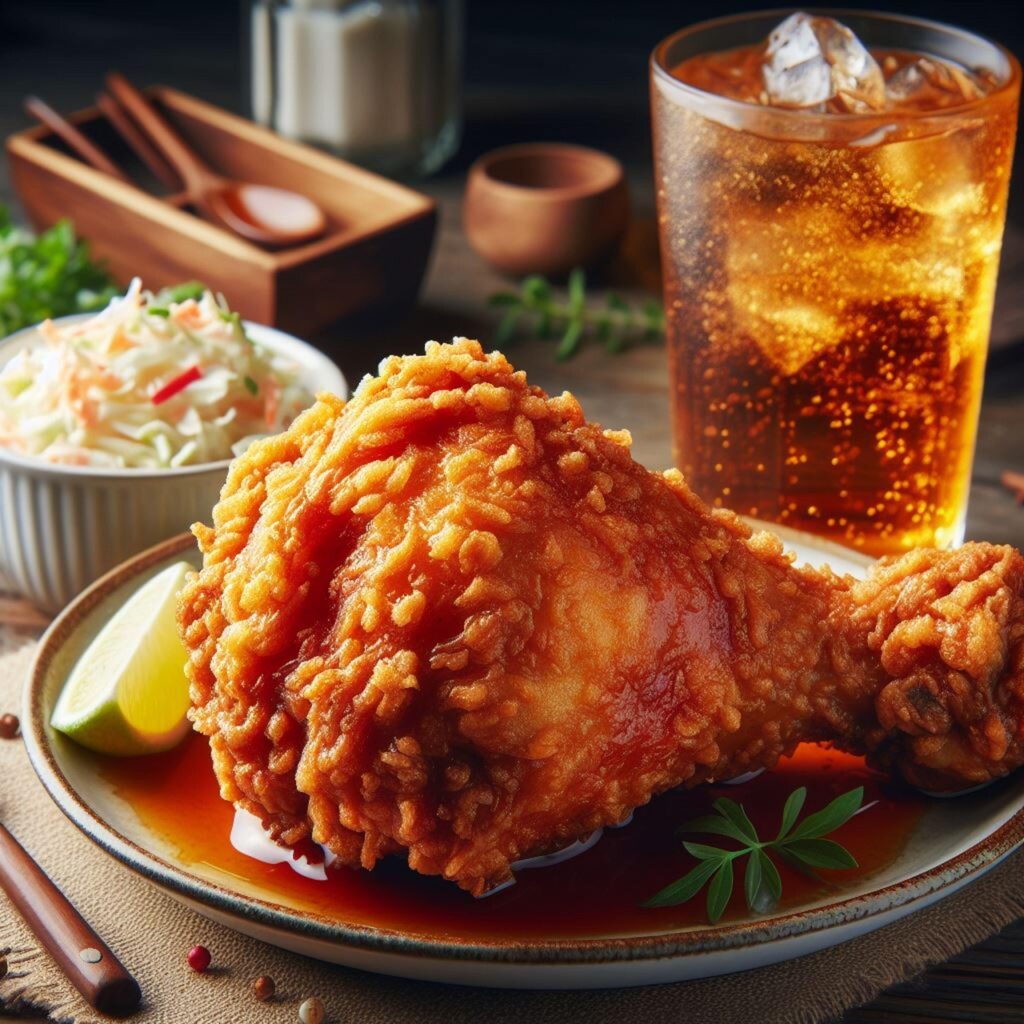
Ultra-processed foods are industrially formulated products made mostly or entirely from substances not typically found in a home kitchen. Think: sugary breakfast cereals, packaged snacks, frozen pizzas, soda, and even some seemingly “healthy” protein bars.
Unlike whole or minimally processed foods — like fresh vegetables, plain yogurt, or brown rice — ultra-processed items are often high in added sugars, unhealthy fats, sodium, and artificial additives. According to the NOVA food classification system, these products undergo multiple processing steps and often contain ingredients designed to enhance taste, shelf life, and appearance rather than nutrition.
They now make up more than 50% of the average American diet, largely because they’re cheap, easy to find, and designed to keep you coming back for more.
Health Risks Associated with Ultra-Processed Foods
A growing body of research links ultra-processed foods to a wide range of health issues. Studies have found connections to:
- Heart disease: Increased intake is associated with higher rates of cardiovascular problems.
- Type 2 diabetes: These foods often contribute to insulin resistance and blood sugar spikes.
- Cancer: One large-scale study in France linked higher consumption of ultra-processed foods with a greater risk of certain cancers.
- Mental health disorders: Some research points to a correlation between diets high in ultra-processed foods and higher rates of anxiety and depression.
- Early death: A 2019 study published in BMJ found that people who eat more ultra-processed foods are more likely to die prematurely.
What makes these findings especially concerning is that ultra-processed foods are often engineered for overconsumption. Their taste, texture, and convenience are carefully crafted to make them hyper-palatable — encouraging people to eat more than they need or even want.
Comparisons to Tobacco: Are the Warnings Justified?
It may sound extreme to compare a snack food aisle to a pack of cigarettes — but some public health experts say the parallel is worth considering.
Much like tobacco companies once did, major food manufacturers heavily market ultra-processed products, sometimes targeting vulnerable populations such as children or low-income communities. The packaging often features misleading health claims, and the true risks are rarely communicated clearly.
That’s led to growing calls for regulatory measures, including warning labels, advertising restrictions, and even taxes on ultra-processed items. Researchers from institutions like Imperial College London have suggested that the harm caused by these foods may warrant a public health response as strong as the one used against tobacco.
The key takeaway: it’s not about demonizing food, but about recognizing patterns that could lead to widespread, preventable health consequences.
Making Healthier Choices: Reducing Ultra-Processed Food Intake
While cutting out ultra-processed foods entirely may not be realistic for most people, small steps can make a big difference:
- Read labels: Look for shorter ingredient lists with recognizable items.
- Cook more at home: Even simple meals with whole ingredients can reduce your intake.
- Swap smart: Replace ultra-processed snacks with fresh fruit, nuts, or minimally processed options.
- Be mindful of marketing: “Low-fat” or “high-protein” labels can be misleading — check what’s really inside.
Prioritizing whole, plant-based foods — like vegetables, legumes, fruits, and whole grains — can help restore balance and give your body the nutrients it needs.
The Bottom Line
Ultra-processed foods may offer convenience, but that convenience often comes at a cost. From increased risk of chronic illness to addictive eating patterns, the science is clear: we need to be more aware of what’s in our food and how it affects our long-term health.
That doesn’t mean never enjoying a favorite treat — but it does mean making informed choices, supporting policy changes, and filling your plate with more of the foods that support energy, resilience, and well-being.