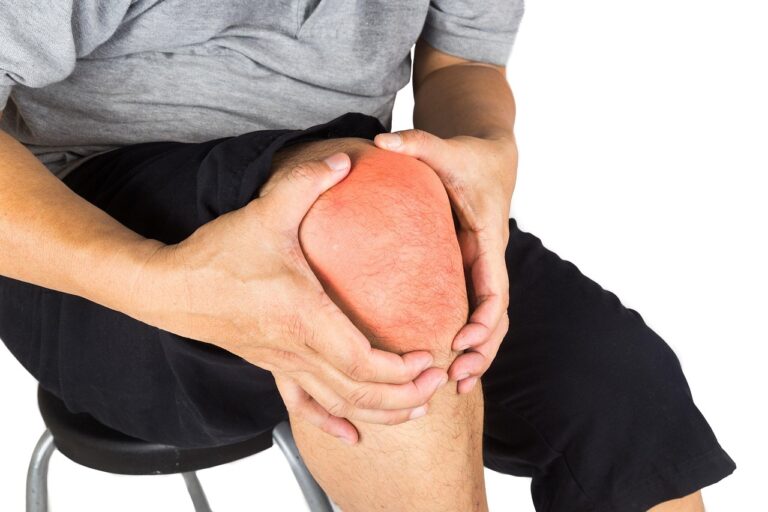
As the leaves change and temperatures drop, many people notice an unwelcome companion: joint pain. Whether it’s stiffness, swelling, or soreness, colder weather can exacerbate conditions like arthritis, tendinitis, and general joint discomfort. If you’ve ever wondered why your knees, hips, or hands ache more when the weather turns chilly, science has some answers—and there are steps you can take to manage the pain.
The Connection Between Cold Weather and Joint Pain
Several factors contribute to increased joint discomfort during fall and winter:
- Barometric Pressure Changes – Lower barometric pressure can cause tissues in the joints to expand, which puts pressure on nerves and can increase the perception of pain. Many people with arthritis report flare-ups during weather changes.
- Muscle Stiffness – Cold temperatures can cause muscles and ligaments to tighten, reducing flexibility and increasing strain on joints.
- Reduced Activity – Shorter days and cooler weather often lead to less physical activity. Lack of movement can decrease joint lubrication, making stiffness and pain worse.
Conditions That Flare in Cold Weather
People with osteoarthritis, rheumatoid arthritis, and fibromyalgia often report worsened symptoms in fall and winter. Even those without diagnosed conditions may notice occasional stiffness or discomfort in joints that are particularly sensitive to temperature and humidity changes.
Strategies to Manage Cold-Weather Joint Pain
You don’t have to accept joint pain as inevitable during the colder months. Here are some ways to protect your joints:
- Stay Active – Low-impact exercises like walking, swimming, and yoga keep joints flexible and maintain muscle support.
- Warm Up Properly – Stretching and gentle movement before activity can reduce stiffness and prevent injury.
- Dress Appropriately – Layering clothing and wearing gloves or knee supports can keep joints warm and reduce pain.
- Use Heat Therapy – Heating pads, warm baths, or heat wraps help relax muscles and increase blood flow to stiff joints.
- Maintain a Healthy Weight – Extra weight adds pressure to weight-bearing joints, worsening discomfort.
Nutrition Tips for Joint Health
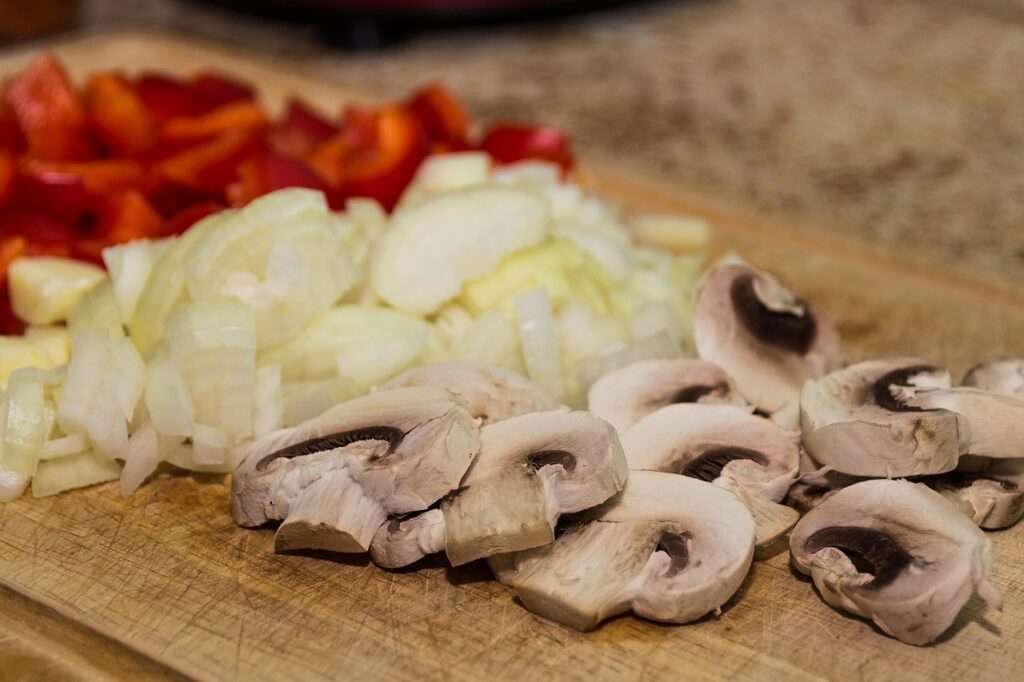
Certain foods can also help manage inflammation and support joint health:
- Fatty fish like salmon or mackerel (omega-3s)
- Leafy greens and cruciferous vegetables
- Nuts and seeds
- Spices like turmeric and ginger
The Bottom Line
Cold weather can make joint pain more noticeable, but understanding why and taking proactive steps can make a big difference. By staying active, keeping joints warm, and eating an anti-inflammatory diet, you can reduce discomfort and continue to enjoy fall activities without letting pain hold you back.