Summer brings plenty to enjoy. Longer days, backyard gatherings, gardening, vacations, and time spent outdoors can make the season one of the year’s highlights.
But as temperatures climb, summer also brings health risks that many people underestimate—especially older adults.
While anyone can experience heat-related illness, adults over age 65 are more vulnerable to extreme heat. The body’s ability to regulate temperature changes with age, and certain medications or chronic health conditions can make it harder to stay cool and hydrated.
The good news? A few simple habits can dramatically reduce the risks and help you enjoy everything summer has to offer.
Why Hot Weather Can Be More Dangerous for Older Adults
Most people think of heat as uncomfortable. The reality is that extreme heat can become dangerous surprisingly quickly.
As we age, our bodies become less efficient at cooling themselves. We may sweat less, feel thirst less intensely, or take medications that affect hydration and circulation. Conditions such as heart disease, diabetes, and kidney disease can further complicate the body’s response to high temperatures.
This means that by the time an older adult feels overheated, dehydration or heat-related illness may already be developing.
That’s why prevention is so important.
Don’t Wait Until You’re Thirsty
One of the biggest mistakes people make during hot weather is waiting until they feel thirsty to drink water.
Unfortunately, thirst becomes a less reliable signal as we age.
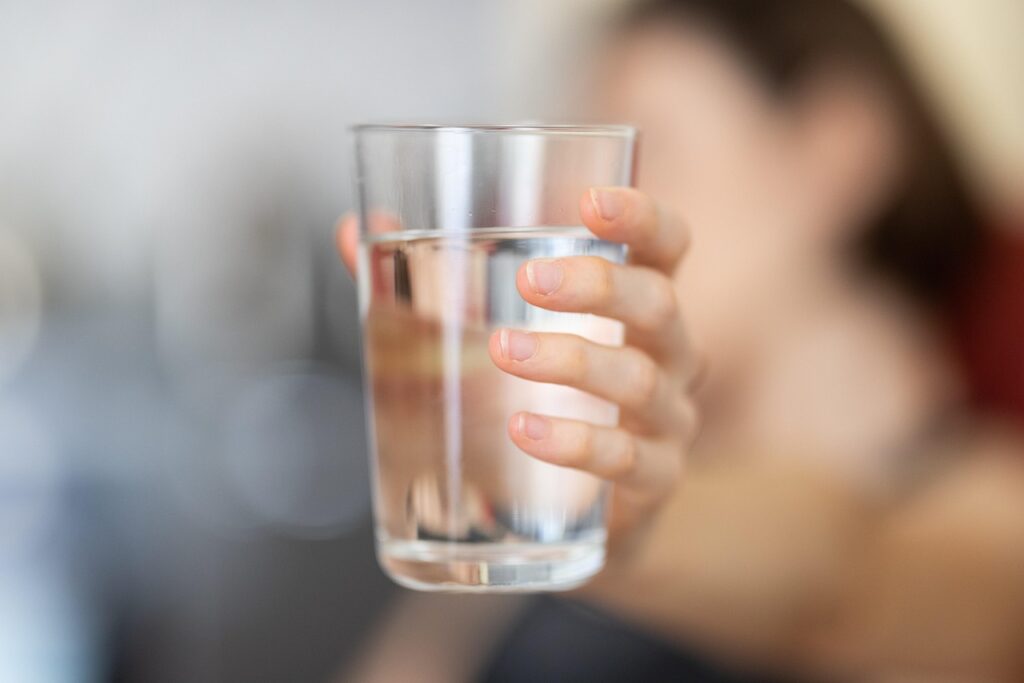
Experts recommend drinking fluids consistently throughout the day, especially when spending time outdoors. Water is usually the best choice, though foods with high water content—such as watermelon, cucumbers, berries, and oranges—can also contribute to hydration.
If your physician has advised you to limit fluids because of a medical condition, follow their recommendations and ask whether additional precautions are needed during periods of extreme heat.
Dress for the Weather, Not the Calendar
Many people continue wearing the same clothing habits they’ve had for years, even when temperatures soar.
Lightweight, loose-fitting clothing can make a remarkable difference in comfort and safety. Fabrics that allow air circulation help the body cool naturally, while light-colored clothing reflects more sunlight than dark colors.
A wide-brimmed hat and sunglasses can also provide valuable protection when spending time outdoors.
Sometimes staying cool isn’t about finding air conditioning—it’s about avoiding unnecessary heat buildup in the first place.
Plan Outdoor Activities Carefully
Summer doesn’t mean you need to stay indoors.
Morning walks, gardening, golf, and other outdoor activities can still be enjoyed safely with a little planning.
The hottest part of the day typically occurs between late morning and early evening. Scheduling outdoor activities earlier in the morning or later in the evening can significantly reduce heat exposure.
If temperatures are particularly high, take frequent breaks in shaded areas and listen to your body’s signals.
Feeling dizzy, unusually fatigued, weak, or nauseated isn’t a sign to push through—it’s a sign to cool down and seek relief.
Know Which Medications May Increase Heat Sensitivity
This is one of the most overlooked aspects of summer safety.
Many common medications can affect how the body responds to heat. Some medications may increase dehydration, while others can alter sweating, blood pressure, or temperature regulation.
Examples may include certain blood pressure medications, diuretics, antihistamines, and some medications used for mental health conditions.
Never stop taking prescribed medications on your own, but consider asking your healthcare provider or pharmacist whether any of your medications require extra precautions during hot weather.
A simple conversation can help prevent serious problems later.
Keep Your Home Cooler Than You Think
Air conditioning remains one of the most effective protections against heat-related illness.
If you have air conditioning, make sure it is functioning properly before the hottest weeks of summer arrive.
If you don’t have air conditioning, consider spending part of the day in air-conditioned public spaces such as libraries, shopping centers, community centers, or senior centers during extreme heat events.
Closing blinds or curtains during the hottest part of the day can also help reduce indoor temperatures, especially on sun-facing windows.
Even a few degrees can make a noticeable difference.
Learn the Warning Signs of Heat Illness
Heat-related illness doesn’t always happen suddenly.
Early symptoms can include:
- Excessive fatigue
- Dizziness
- Headache
- Muscle cramps
- Nausea
- Weakness
- Increased confusion
If these symptoms appear, move to a cooler environment, drink fluids if appropriate, and seek medical attention if symptoms worsen.
Confusion, loss of consciousness, or a body temperature above 103°F may indicate heat stroke, a medical emergency that requires immediate care.
Check In on Family, Friends, and Neighbors
One of the simplest and most effective summer safety strategies has nothing to do with water bottles or air conditioners.
Connection matters.
Older adults who live alone may not always recognize the early signs of heat-related illness. A quick phone call, text message, or visit during periods of extreme heat can make a meaningful difference.
Sometimes the best safety tool isn’t a gadget or medication—it’s another person paying attention.
Enjoy Summer Safely
Summer should be a season of enjoyment, not anxiety.
The key is recognizing that hot weather deserves the same respect we give winter storms or other seasonal hazards. A little preparation goes a long way toward preventing problems before they start.
Stay hydrated. Dress appropriately. Plan outdoor activities wisely. Know your medications. Check on loved ones.
With a few smart precautions, older adults can continue enjoying summer’s best moments while protecting their health and well-being.