

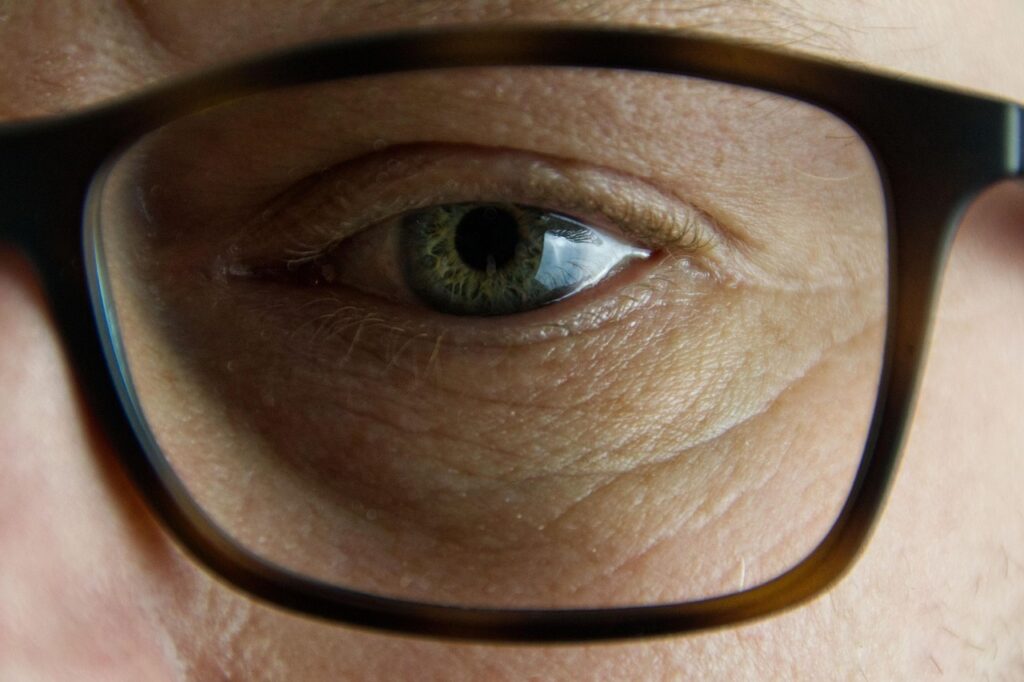
Macular Degeneration
Macular degeneration is an eye disease that damages the macula, the central part of the retina, leading to progressive vision loss, especially in people over 50. It is the leading cause of vision impairment in older adults, affecting millions worldwide, with risk factors including age, genetics, smoking, and high blood pressure.
Symptoms and Causes
Macular degeneration primarily affects central vision, leading to blurred or distorted sight, difficulty reading, and trouble recognizing faces. In its early stages, symptoms may be subtle, such as needing more light for reading or seeing straight lines appear wavy. As the disease progresses, central vision loss becomes more pronounced, making daily tasks increasingly challenging.
The exact cause of macular degeneration is not fully understood, but it is linked to aging and the breakdown of the macula, the central part of the retina. Risk factors include age (primarily affecting those over 50), genetics, smoking, high blood pressure, and prolonged exposure to UV light. There are two types: dry macular degeneration, which develops gradually, and wet macular degeneration, a more severe form that can lead to rapid vision loss due to abnormal blood vessel growth.
Prevalence and Prognosis
Macular degeneration is a leading cause of vision loss, affecting nearly 20 million Americans, with older adults being the most at risk. The condition is more common in individuals with a family history and those who smoke. While it does not cause complete blindness, it significantly impacts quality of life by making activities like reading, driving, and recognizing faces difficult. There is no cure, but early diagnosis and lifestyle changes can slow its progression.
Management and Treatment
There is no cure for macular degeneration, but treatments focus on slowing its progression and managing symptoms. For dry macular degeneration, lifestyle modifications such as a nutrient-rich diet, quitting smoking, and using specialized supplements may help. For wet macular degeneration, treatments like anti-VEGF injections can reduce abnormal blood vessel growth and preserve vision. Low vision aids, such as magnifiers and adaptive technologies, can also improve daily functioning.
Living with Macular Degeneration
Adjusting to life with macular degeneration requires modifications to maintain independence. Using brighter lighting, high-contrast reading materials, and voice-assisted technology can help individuals adapt. Emotional support from loved ones and vision rehabilitation programs can improve quality of life. Planning for future vision changes early allows for smoother transitions to adaptive tools and support systems.
Top Concerns
Vision Loss & Independence – Central vision impairment makes tasks like reading, driving, and recognizing faces difficult. Individuals must learn adaptive strategies to maintain their daily routines and independence.
Emotional Impact – Losing the ability to perform familiar tasks can lead to frustration, anxiety, or depression. Support from family, counseling, and vision rehabilitation programs can help with emotional adjustment.
Safety & Navigation – Impaired vision increases the risk of falls and difficulty navigating unfamiliar environments. Making home modifications, using contrast-enhancing tools, and seeking mobility training can improve safety.
Financial Implications – The costs of treatments, vision aids, and lifestyle adjustments can add up. Planning ahead and exploring insurance coverage or assistance programs can help ease the financial burden.
Featured in Macular Degeneration
- Could a Bedtime Snack Help Control Your Blood Sugar?
 A surprising strategy for smoother overnight glucose levels If you’ve been told to avoid eating at night, you’re not alone.…
 - Why Low-Calorie Diets Are Destroying Your Weight Loss Goals
 The weight loss industry has sold us a devastating lie: that severely restricting calories is the golden ticket to sustainable…
 - Your ‘Normal’ Blood Pressure Reading Could Be Dangerously Wrong
 You go for your annual checkup, and the doctor says, “Your blood pressure looks normal—120/80.” You breathe a sigh of…
 - The Hidden Relationship Between Sleep Apnea and High Blood Pressure
 Many people think of sleep apnea as a sleep problem. Others think of high blood pressure as a cardiovascular problem.…
 - The High Blood Pressure Symptoms Often Dismissed Before a Diagnosis
 High blood pressure is often called a “silent condition” because many people experience no obvious warning signs at all. That…
 - Why Modern Sedentary Life Is So Hard on the Cardiovascular System
 Modern life has quietly changed the way many people move. For millions of Americans, large portions of the day now…
 - The Shocking Truth About Heart Disease in ‘Healthy’ People
 When you think of heart disease, you probably picture someone who smokes, eats fast food daily, and avoids exercise like…
 - The 10-Minute Walking Habit Doctors Want You To Form
 For years, exercise advice for people with Type 2 diabetes often sounded intimidating. Join a gym. Start a strict workout…
 - Why Stress Can Send Blood Sugar Higher Even When Eating RightMany people with Type 2 diabetes have experienced the same confusing moment. They eat carefully. They take their medications. They…