
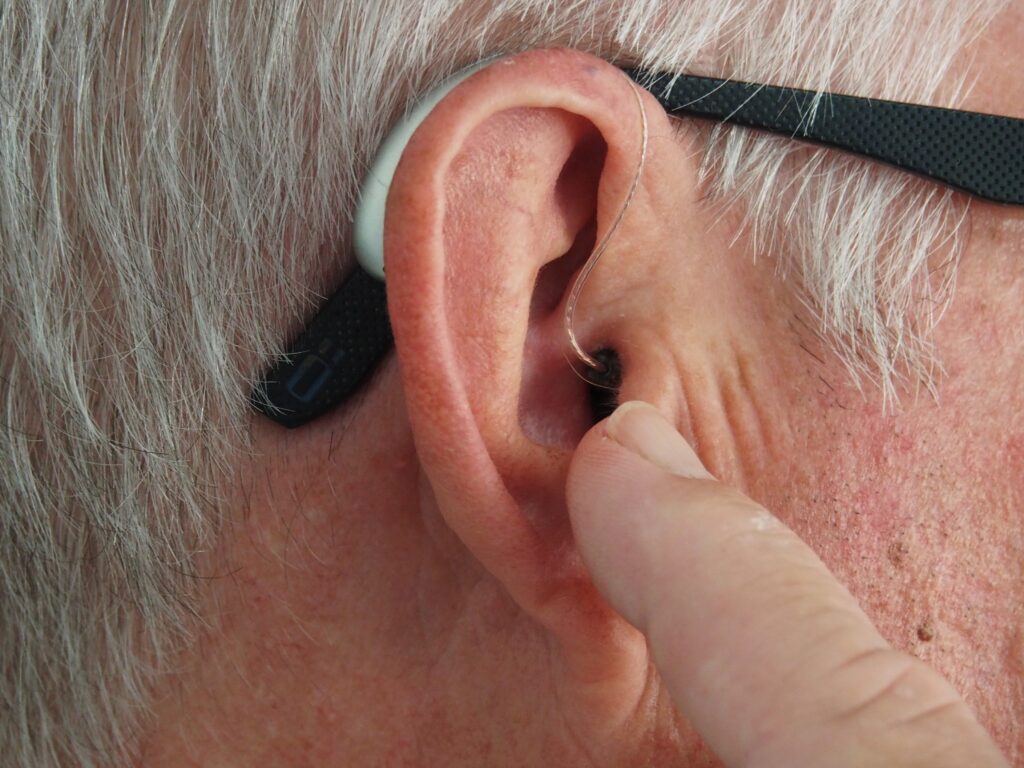
Hearing Loss
Hearing loss is a common condition that affects a person’s ability to hear sounds, ranging from mild to profound. It impacts over 1.5 billion people worldwide, making it one of the most prevalent health concerns across all age groups.
Symptoms and Causes
Hearing loss can present as difficulty understanding conversations, frequently asking others to repeat themselves, or perceiving muffled sounds. Individuals may also experience ringing in the ears (tinnitus) or struggle to follow conversations in noisy environments. Over time, untreated hearing loss can lead to social withdrawal, frustration, and cognitive decline.
Hearing loss can result from various causes, including aging, prolonged exposure to loud noise, infections, or genetic predisposition. Other contributing factors include certain medications, ear injuries, and underlying medical conditions like diabetes or cardiovascular disease. Early identification of the cause can help determine the most effective treatment.
Prevalence and Prognosis
Hearing loss affects over 1.5 billion people worldwide, with approximately 430 million requiring rehabilitation services. It is more common in older adults, but people of all ages can experience hearing challenges. While hearing loss can often be managed with hearing aids, cochlear implants, or assistive devices, untreated cases may lead to further communication difficulties and diminished quality of life.
Management and Treatment
Treatment for hearing loss depends on the underlying cause and severity. Hearing aids are the most common solution for age-related and noise-induced hearing loss, while cochlear implants may be recommended for severe or profound cases. Other interventions include earwax removal, medications for infection, or surgical procedures to address structural issues. Audiological rehabilitation and speech therapy can also support individuals in improving communication skills.
Living with Hearing Loss
Living with hearing loss often requires adjustments to daily routines and communication strategies. Individuals may benefit from using assistive listening devices, practicing lip-reading, or utilizing captioning services. Emotional support from family and friends, as well as participation in support groups, can alleviate feelings of isolation and frustration. Open conversations about hearing needs foster inclusive and effective communication.
Top Concerns
Communication Challenges – Difficulty understanding speech, especially in noisy environments, can lead to frustration and social withdrawal. Clear communication strategies and assistive devices can significantly improve quality of life.
Social Isolation – Hearing loss may result in decreased participation in social activities, contributing to loneliness and depression. Encouraging social engagement and utilizing hearing support technologies can help maintain social connections.
Cognitive Impact – Untreated hearing loss is associated with an increased risk of cognitive decline and dementia. Timely intervention and regular hearing check-ups can help mitigate this risk.
Financial Costs – Hearing aids, implants, and related treatments can be expensive. Exploring insurance options, financial assistance programs, and community resources can ease the financial burden for those seeking hearing care.
Featured in Hearing Loss
- Nasal Spray Targets Inflammation in Alzheimer’s Brain
 A surprising immune treatment may offer a new way forward A new experimental nasal spray could reshape how we treat…
 - What Ozempic Could Really Be Doing to Your Heart, Brain, and More
 Ozempic, originally approved to treat type 2 diabetes, has become a household name for its weight-loss powers. But here’s what’s…
 - What Your Walking Speed May Reveal About Your Brain Health
 Most people don’t think much about how fast they walk. Whether you’re strolling through the grocery store, taking the dog…
 - Actor Danny Glover Shares That Life Doesn’t End with Alzheimer’s Diagnosis
 For many families, Alzheimer’s disease begins quietly. A forgotten appointment. A familiar story that suddenly has missing pieces. A loved…
 - Study Links Short Amount of Light Exercise to Reduced Dementia Risk
 If you’ve ever talked yourself out of a walk because it felt too short to make a difference, science is…
 - Popular Joint Supplement Raises Questions About Alzheimer’s Risk
 For years, glucosamine has been one of the most popular supplements in America. Millions of people take it every day…
 - Inflammation: The Root Cause of Almost Every Major Disease You’ve Never Heard About
 Inflammation might sound like something that happens when you sprain your ankle or get a nasty paper cut, but did…
 - Alzheimer’s Disease: The Science & Genetics that play a role (or don’t)
 Alzheimer’s Disease (AD) is often misunderstood. It’s not just a normal part of aging—it’s a progressive condition that changes how…
 - The Diet Debate: Can What You Eat Really Help Your Brain?
 Is kale the answer to everything? Probably not. But can your diet actually influence your brain health and help stave…
Top Health Stories
- A Digestible Holiday Feast That Won’t Ruin the Cheer!Ah, the holidays—a time for family, fun, and way too much food.…
- Prostate Health Awareness Month: Why It Matters and What You Can DoProstate Health Awareness Month is a reminder for men to take charge…
- Trump’s Executive Order on IVF: What It Means and Why It MattersIf you’ve been keeping up with the latest health and policy news,…
- Vatican Confirms Pope Francis Has Bilateral Pneumonia—What That Means for His HealthPope Francis has always been known for his energy, compassion, and dedication…
- Insurers Want Biden-era Proposal Requiring Medicare to Cover Weight-loss Drugs ScrappedThe world of healthcare and insurance is never short on drama, and…
- Bird Flu in 2025: What You Need to KnowBird flu, or avian influenza, has re-emerged in headlines, raising concerns about…