
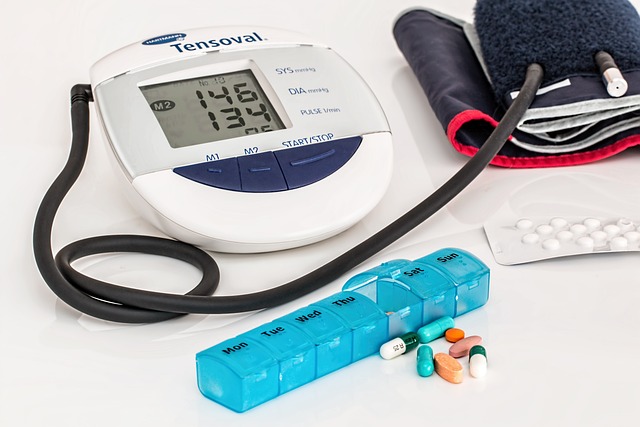
High Blood Pressure
High blood pressure, or hypertension, is a condition where the force of blood against artery walls is consistently too high. It’s often called a “silent killer” because it typically has no symptoms but can lead to serious health problems if untreated.
Symptoms and Causes
While hypertension is often symptomless, severe cases may cause headaches, shortness of breath, or nosebleeds. Chronic high blood pressure damages arteries and increases the risk of heart disease, stroke, and kidney damage.
Primary hypertension develops over time due to factors like aging, genetics, and lifestyle habits. Secondary hypertension results from underlying conditions such as kidney disease, sleep apnea, or hormonal disorders.
Prevalence and Prognosis
Nearly half of U.S. adults have high blood pressure, though many are unaware of their condition. With proper treatment, including lifestyle changes and medications, the risks associated with hypertension can be significantly reduced.
Management and Treatment
- Diet: The DASH diet (Dietary Approaches to Stop Hypertension) emphasizes fruits, vegetables, and low-sodium options.
- Exercise: Regular aerobic activity helps reduce blood pressure.
- Medications: Common options include ACE inhibitors, beta-blockers, and diuretics.
- Lifestyle Changes: Reducing stress, quitting smoking, and limiting alcohol intake are essential.
Living with High Blood Pressure
Managing hypertension requires consistency. Regular monitoring, adherence to prescribed treatments, and routine check-ups can help maintain blood pressure within a healthy range. Support from family and healthcare providers plays a crucial role in long-term success.
High blood pressure, or hypertension, is a condition that affects nearly half of adults in the United States. It’s often called a “silent killer” because it typically shows no symptoms but significantly increases the risk of severe health complications. Here are the top concerns for individuals managing this condition:
Risk of Serious Complications
Hypertension is a major risk factor for life-threatening conditions such as heart attack, stroke, kidney disease, and vision loss. Controlling blood pressure is essential to minimize these risks and improve overall health outcomes.
Consistent Monitoring and Management
Regular blood pressure monitoring is crucial for effective management. Individuals often worry about ensuring accurate readings, adhering to prescribed treatments, and maintaining consistency with lifestyle adjustments.
Medication Side Effects
Many people with hypertension rely on medications such as ACE inhibitors, beta-blockers, or diuretics. However, concerns about potential side effects—like fatigue, dizziness, or swelling—can affect adherence to these treatments.
Diet and Sodium Intake
A high-sodium diet can exacerbate hypertension, making dietary adjustments a key concern. Many individuals struggle with identifying hidden sources of sodium and transitioning to a heart-healthy diet that includes more fruits, vegetables, and whole grains.
Physical Activity
Regular exercise is recommended to help lower blood pressure, but finding safe, effective, and enjoyable activities can be challenging, especially for individuals with limited mobility or coexisting health conditions.
Stress Management
Chronic stress is known to elevate blood pressure levels. Learning stress-reduction techniques such as mindfulness, deep breathing, or yoga is a common concern for individuals seeking better blood pressure control.
Monitoring Other Health Conditions
Hypertension often coexists with other conditions, such as diabetes or high cholesterol. Managing these comorbidities simultaneously requires careful coordination of medical care and lifestyle changes.
Accessibility and Affordability of Care
Regular doctor visits, medications, and specialized monitoring devices can add financial strain. Access to affordable healthcare and resources remains a significant concern for many individuals with hypertension.
Awareness and Education
Understanding the causes, risks, and effective management strategies for hypertension is crucial. Many individuals worry about staying informed and ensuring they are taking the right steps to protect their health.
Featured in High Blood Pressure
- Is Melatonin Harming Your Heart? What New Research Reveals
 For years, melatonin has been seen as a safe, natural sleep aid—available over the counter and widely used by millions…
 - Metoprolol After Heart Attack: May Not Help Most Patients
 For decades, beta blockers like metoprolol have been prescribed almost automatically to people recovering from a heart attack. Doctors believed…
 - Why Quitting a Toxic Job May Beat Smoking for Your Health
 When Your Job Becomes a Health Risk For many of us, work is more than just a paycheck — it…
 - Heart Attack Signs Often Differ in Men and Women
 Heart attacks don’t always look like the dramatic scenes we see on TV. In reality, cardiac trouble often begins with…
 - Bulging Veins: When It’s Normal—and When It’s Not
 If you’ve ever glanced at your arms or legs and noticed veins that suddenly seem more prominent, you’re not alone.…
 - What Ozempic Could Really Be Doing to Your Heart, Brain, and More
 Ozempic, originally approved to treat type 2 diabetes, has become a household name for its weight-loss powers. But here’s what’s…
 - Fix Your Gut, Fix Your Life? The New Science on Microbiome and Chronic Disease
 There’s a buzzing community of microbes living inside your digestive system—and they may be the missing link in chronic illness.…
 - Sticky Stuff: What’s Lp(a) and How to Keep It from Cluttering Your Arteries
 If you’ve never heard of Lp(a), don’t worry—you’re not alone. Most people haven’t, and it’s not because it’s not important.…
 - Is Inflammation Secretly Sabotaging Your Health?
 You’ve probably heard the word “inflammation” tossed around, but what does it actually mean—and could it be at the root…
Top Health Stories
- A Digestible Holiday Feast That Won’t Ruin the Cheer!Ah, the holidays—a time for family, fun, and way too much food.…
- Prostate Health Awareness Month: Why It Matters and What You Can DoProstate Health Awareness Month is a reminder for men to take charge…
- Trump’s Executive Order on IVF: What It Means and Why It MattersIf you’ve been keeping up with the latest health and policy news,…
- Vatican Confirms Pope Francis Has Bilateral Pneumonia—What That Means for His HealthPope Francis has always been known for his energy, compassion, and dedication…
- Insurers Want Biden-era Proposal Requiring Medicare to Cover Weight-loss Drugs ScrappedThe world of healthcare and insurance is never short on drama, and…
- Bird Flu in 2025: What You Need to KnowBird flu, or avian influenza, has re-emerged in headlines, raising concerns about…