Parents across America may soon find it harder to access crucial infant safety information following the closure of the federal office responsible for the Safe to Sleep campaign—a public health initiative credited with saving thousands of babies’ lives over the past three decades.
The Trump administration has terminated the communications office at the Eunice Kennedy Shriver National Institute of Child Health and Human Development (NICHD), effectively ending the Safe to Sleep campaign that has been a cornerstone of infant safety education since 1994.
Three Decades of Lifesaving Education at Risk
The campaign, originally launched as “Back to Sleep,” has played a vital role in reducing sleep-related infant deaths, which remain a leading cause of mortality for babies in the United States.
Dr. Rachel Moon, a pediatrician and researcher at the University of Virginia who helped write the American Academy of Pediatrics’ guidelines on safe infant sleep, expressed shock at the sudden closure.
According to Dr. Moon, the campaign initially reduced infant deaths by an impressive 50%. She expressed deep concern about the program being eliminated without notice, especially during a period when infant sleep-related deaths are on the rise.
The communication office’s closure on April 1 came without warning to many collaborators who received a simple email notification that the office—and consequently the Safe to Sleep campaign—had been terminated.
What the Safe to Sleep Campaign Accomplished
For nearly 30 years, the campaign has been the primary source of evidence-based information on how to reduce the risk of Sudden Infant Death Syndrome (SIDS) and other sleep-related infant deaths.
The campaign created and distributed vital public health messaging through multiple channels:
- Social media outreach
- Multilingual educational pamphlets for diverse audiences
- Materials specifically designed for grandparents and other caregivers
- Resources for hospitals and healthcare providers to distribute to patients
Christina Stile, former deputy director for the NICHD communications office, noted that the office distributed millions of publications each year to help keep infants safe.
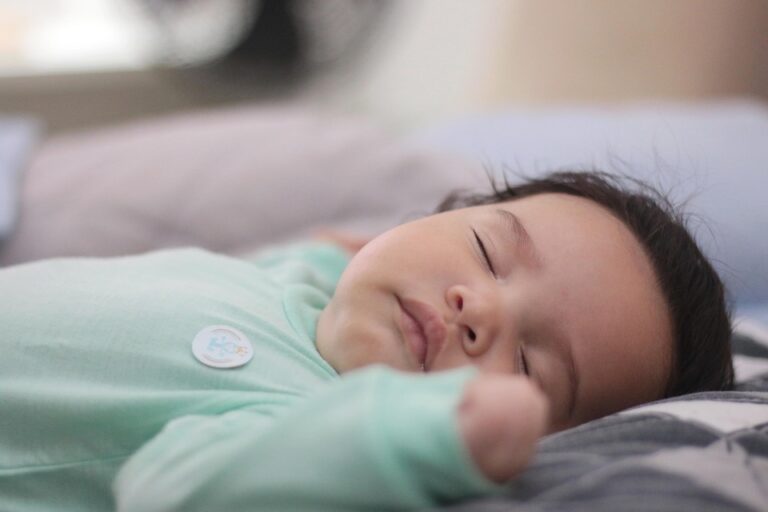
The campaign’s recommendations have become standard practice in pediatric care: placing babies on their backs to sleep, using firm sleep surfaces, keeping babies in their own sleep space, and removing loose bedding, pillows, and soft items from the crib to prevent suffocation—the leading cause of injury death among infants under 12 months.
Why Safe Sleep Guidelines Matter Now More Than Ever
The campaign’s closure comes at a particularly concerning time. After years of stable numbers, sleep-related infant deaths rose by nearly 12% between 2020 and 2022, according to the most recent data available.
Researchers believe this increase may be connected to reduced access to healthcare during the pandemic, when many parents missed opportunities to receive safe sleep education during prenatal and well-baby visits.
Without the centralized resources of the Safe to Sleep campaign, experts worry that this troubling trend could continue or worsen.
Alison Jacobson, who works with First Candle, a nonprofit that has participated in the Safe to Sleep campaign since its inception, highlighted the devastating consequences when parents lack proper information.
Jacobson shared that she frequently encounters heartbroken parents in support groups who report never receiving essential information about safe sleep practices, such as avoiding blankets in cribs and other crucial guidelines.
What Parents and Healthcare Providers Can Do Next
While the NIH stated in an email that no final decision has been made regarding the future of the Safe to Sleep campaign and that campaign materials remain available online, the reality appears more complicated.
A visit to the Safe to Sleep website confirms that while some materials can still be downloaded, many are listed as “temporarily unavailable for order”—a significant change from the previous distribution system that provided free resources to state agencies, health departments, and hospitals.
Nonprofit organizations like First Candle plan to continue their educational efforts but acknowledge they lack the funding to replace the resources previously provided by the NIH.
For now, healthcare providers and parents should:
- Download available Safe to Sleep resources while they remain accessible online
- Consult with pediatricians about current safe sleep guidelines
- Seek information from trusted sources like the American Academy of Pediatrics
- Share safe sleep information with all caregivers, including grandparents, babysitters, and childcare providers
The abrupt end to this successful public health campaign leaves a significant gap in infant safety education. As Jacobson warns, without these resources, “it’s going to be that much harder to get information out to help parents keep their babies safe.”
In the meantime, advocates hope that pressure from the medical community and concerned parents might result in the restoration of this life-saving program or the creation of a suitable alternative to ensure that all parents have access to this critical information.