

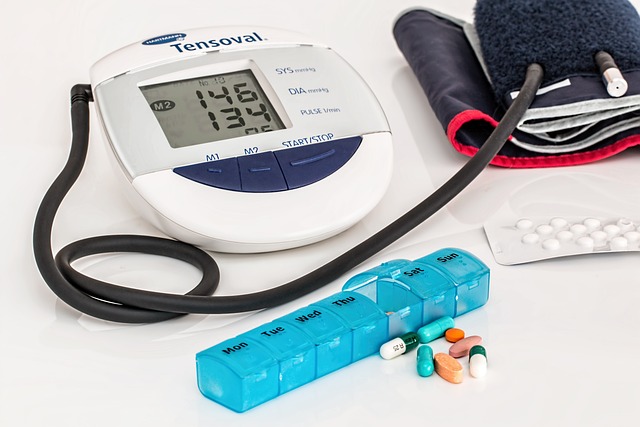
High Blood Pressure
High blood pressure, or hypertension, is a condition where the force of blood against artery walls is consistently too high. It’s often called a “silent killer” because it typically has no symptoms but can lead to serious health problems if untreated.
Symptoms and Causes
While hypertension is often symptomless, severe cases may cause headaches, shortness of breath, or nosebleeds. Chronic high blood pressure damages arteries and increases the risk of heart disease, stroke, and kidney damage.
Primary hypertension develops over time due to factors like aging, genetics, and lifestyle habits. Secondary hypertension results from underlying conditions such as kidney disease, sleep apnea, or hormonal disorders.
Prevalence and Prognosis
Nearly half of U.S. adults have high blood pressure, though many are unaware of their condition. With proper treatment, including lifestyle changes and medications, the risks associated with hypertension can be significantly reduced.
Management and Treatment
- Diet: The DASH diet (Dietary Approaches to Stop Hypertension) emphasizes fruits, vegetables, and low-sodium options.
- Exercise: Regular aerobic activity helps reduce blood pressure.
- Medications: Common options include ACE inhibitors, beta-blockers, and diuretics.
- Lifestyle Changes: Reducing stress, quitting smoking, and limiting alcohol intake are essential.
Living with High Blood Pressure
Managing hypertension requires consistency. Regular monitoring, adherence to prescribed treatments, and routine check-ups can help maintain blood pressure within a healthy range. Support from family and healthcare providers plays a crucial role in long-term success.
High blood pressure, or hypertension, is a condition that affects nearly half of adults in the United States. It’s often called a “silent killer” because it typically shows no symptoms but significantly increases the risk of severe health complications. Here are the top concerns for individuals managing this condition:
Risk of Serious Complications
Hypertension is a major risk factor for life-threatening conditions such as heart attack, stroke, kidney disease, and vision loss. Controlling blood pressure is essential to minimize these risks and improve overall health outcomes.
Consistent Monitoring and Management
Regular blood pressure monitoring is crucial for effective management. Individuals often worry about ensuring accurate readings, adhering to prescribed treatments, and maintaining consistency with lifestyle adjustments.
Medication Side Effects
Many people with hypertension rely on medications such as ACE inhibitors, beta-blockers, or diuretics. However, concerns about potential side effects—like fatigue, dizziness, or swelling—can affect adherence to these treatments.
Diet and Sodium Intake
A high-sodium diet can exacerbate hypertension, making dietary adjustments a key concern. Many individuals struggle with identifying hidden sources of sodium and transitioning to a heart-healthy diet that includes more fruits, vegetables, and whole grains.
Physical Activity
Regular exercise is recommended to help lower blood pressure, but finding safe, effective, and enjoyable activities can be challenging, especially for individuals with limited mobility or coexisting health conditions.
Stress Management
Chronic stress is known to elevate blood pressure levels. Learning stress-reduction techniques such as mindfulness, deep breathing, or yoga is a common concern for individuals seeking better blood pressure control.
Monitoring Other Health Conditions
Hypertension often coexists with other conditions, such as diabetes or high cholesterol. Managing these comorbidities simultaneously requires careful coordination of medical care and lifestyle changes.
Accessibility and Affordability of Care
Regular doctor visits, medications, and specialized monitoring devices can add financial strain. Access to affordable healthcare and resources remains a significant concern for many individuals with hypertension.
Awareness and Education
Understanding the causes, risks, and effective management strategies for hypertension is crucial. Many individuals worry about staying informed and ensuring they are taking the right steps to protect their health.
Featured in High Blood Pressure
- Your ‘Normal’ Blood Pressure Reading Could Be Dangerously Wrong
 You go for your annual checkup, and the doctor says, “Your blood pressure looks normal—120/80.” You breathe a sigh of…
 - The Hidden Relationship Between Sleep Apnea and High Blood Pressure
 Many people think of sleep apnea as a sleep problem. Others think of high blood pressure as a cardiovascular problem.…
 - The High Blood Pressure Symptoms Often Dismissed Before a Diagnosis
 High blood pressure is often called a “silent condition” because many people experience no obvious warning signs at all. That…
 - Why Modern Sedentary Life Is So Hard on the Cardiovascular System
 Modern life has quietly changed the way many people move. For millions of Americans, large portions of the day now…
 - The Shocking Truth About Heart Disease in ‘Healthy’ People
 When you think of heart disease, you probably picture someone who smokes, eats fast food daily, and avoids exercise like…
 - The Morning Drink That’s Secretly Spiking Your Blood Pressure
 Morning routines often start with a comforting, steamy cup of something delicious, but what if that beloved beverage is secretly…
 - You Can Burn Fat With Dieting With This Metabolism Makeover
 Most weight loss articles promise quick fixes and miracle solutions. This isn’t one of them. Instead, we’re going to explore…
 - Obesity and its Numerous Comorbidities
 Obesity significantly impacts multiple organ systems and is associated with numerous comorbid conditions that can substantially affect health outcomes and…
 - The Common Supplement That’s Secretly Damaging Your Heart
 You might think that taking supplements is always a good idea—after all, they’re supposed to boost your health, right? But…
Top Health Stories
- A Digestible Holiday Feast That Won’t Ruin the Cheer!Ah, the holidays—a time for family, fun, and way too much food.…
- Prostate Health Awareness Month: Why It Matters and What You Can DoProstate Health Awareness Month is a reminder for men to take charge…
- Trump’s Executive Order on IVF: What It Means and Why It MattersIf you’ve been keeping up with the latest health and policy news,…
- Finding Your New Normal: Managing Daily Life with Ulcerative ColitisReceiving a diagnosis of ulcerative colitis means adapting to new routines and…
- Multiple Sclerosis: A Condition OverviewWhat Is Multiple Sclerosis? Multiple Sclerosis (MS) is a chronic autoimmune condition…
- Living with Macular Degeneration: Tips for Adapting and ThrivingA diagnosis of macular degeneration can feel overwhelming, but losing some vision…