Is it COVID-19 or just the flu? If you’re feeling under the weather, telling the difference can be tricky — especially during fall and winter when both viruses spread easily.
While COVID-19 and the flu share many symptoms, they aren’t the same illness. Here’s how to compare COVID-19 vs flu and know when to test, rest, or call the doctor.
Two Viruses, One Big Confusion
COVID-19 and influenza are both contagious respiratory illnesses, but they’re caused by different viruses. COVID-19 comes from the SARS-CoV-2 virus, while the flu comes from various strains of the influenza virus.
Both viruses can cause mild to severe symptoms — and in some cases, serious complications. But there are some key differences in how they affect your body and how long they last.
Symptoms: Overlap with a Few Telltale Signs
Most symptoms of COVID-19 and the flu overlap. That’s why it’s so easy to mix them up.
Common to both:
- Fever or chills
- Cough
- Fatigue
- Body aches
- Sore throat
- Headache
- Congestion or runny nose
More typical of COVID-19:
- Loss of taste or smell
- Shortness of breath
- “Brain fog” or confusion
- Nausea, vomiting, or diarrhea
More typical of the flu:
- Sudden symptom onset (COVID can come on more gradually)
- Severe muscle aches or chills from the start
Bottom line: The only way to know for sure is to test. Symptoms alone aren’t reliable enough to tell the difference anymore.
How They Spread — and When You’re Contagious
Both viruses spread through droplets in the air when someone coughs, sneezes, or talks. But COVID-19 is generally considered more contagious, especially with newer variants.
Key difference:
COVID-19 spreads more easily through tiny airborne particles that can linger in the air, even in well-ventilated spaces.
When it comes to contagiousness:
- Flu: You’re contagious about 1 day before symptoms start
- COVID-19: You’re often contagious 2–3 days before symptoms, and possibly longer after recovery
That’s why testing and isolating early can help stop the spread.
Testing Is the Only Reliable Way to Know
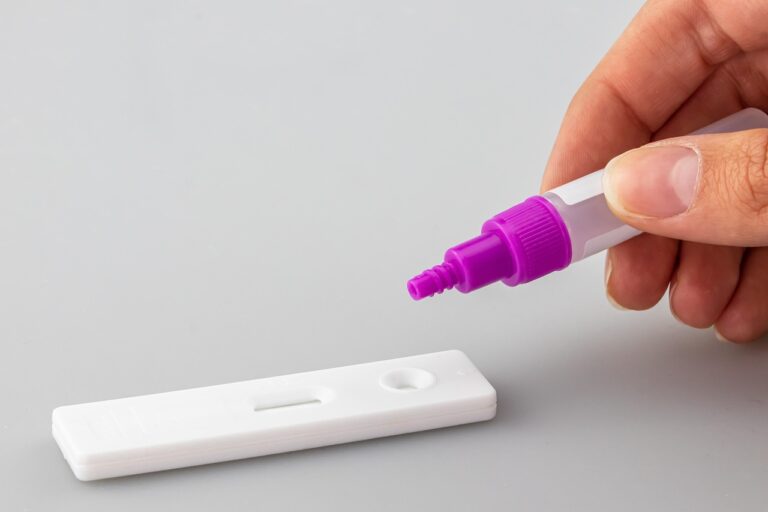
Because symptoms overlap so much, testing is your best bet. Rapid antigen tests for COVID-19 are widely available at drugstores and can give results in minutes.
For flu testing:
- Rapid flu tests are available at clinics and urgent care centers.
- In some cases, your doctor may test for both viruses at once.
If you’re unsure what you have, treat your symptoms seriously until you can confirm.
Treatment and Recovery
Most people recover from both viruses at home with rest, fluids, and fever-reducing medication. But there are treatments available that can reduce the severity of illness — especially if started early.
- Flu: Antiviral drugs like Tamiflu can shorten symptoms if taken within 48 hours
- COVID-19: Treatments like Paxlovid are available for people at higher risk of severe illness
Always contact a healthcare provider if:
- You have trouble breathing
- Symptoms worsen suddenly
- You’re older or have underlying health conditions
Final Thoughts: Don’t Guess — Test
When comparing COVID-19 vs flu, symptoms can look nearly identical — especially early on. But they’re not the same illness, and they may require different care.
If you’re sick, get tested and take precautions to avoid spreading germs. Whether it’s COVID-19, the flu, or something else, knowing what you’re dealing with is the first step toward feeling better.