

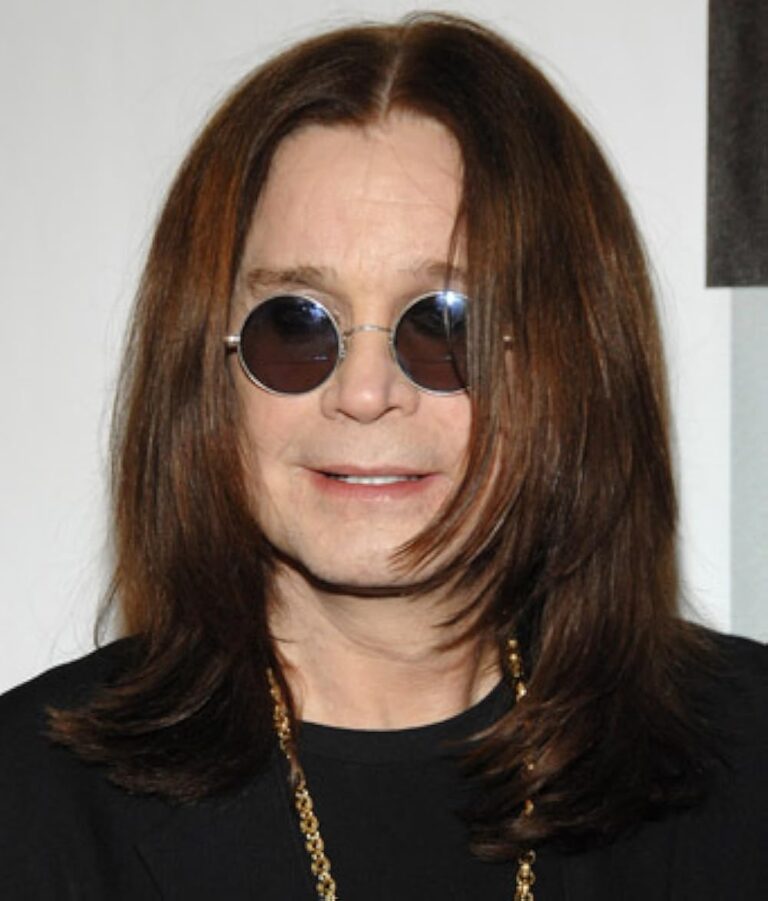
Ozzy Osbourne, the iconic frontman of Black Sabbath, has died at 76—just weeks after giving fans an emotional final performance. His death marks the end of a towering legacy in rock music and a years-long public fight with Parkinson’s disease.
A Rock Icon’s Final Curtain Call
Ozzy Osbourne’s final act couldn’t have been more poetic—or heartbreaking. Just weeks before his death, the Prince of Darkness took the stage for what would be his last performance, reuniting with Black Sabbath bandmates for a surprise farewell at the 2025 Download Festival in the UK.
It was a moment fans thought might never come. Osbourne, who had been largely sidelined by health complications, appeared visibly moved during the performance. He thanked fans for sticking with him, saying, “You’re the reason I kept going.”
He died shortly after, surrounded by loved ones at his Los Angeles home.
A Long, Public Battle With Illness
Osbourne had lived with Parkinson’s disease since at least 2003, though he didn’t go public with the diagnosis until 2020. In the years that followed, he dealt with a number of serious health issues: a fall that dislodged metal rods in his spine, multiple surgeries, and significant mobility struggles.
Despite the setbacks, Ozzy remained determined to perform. “Never count me out,” he told fans in 2023 after postponing a tour due to medical complications. His resilience was celebrated, especially as he continued to record music and make appearances with the support of his wife, Sharon, and children.
His health challenges became part of his public persona—not something he hid, but something he confronted with the same grit that made him a rock legend.
Family’s Statement and Private Goodbye
According to the family’s statement, Osbourne passed peacefully at home, “surrounded by those who loved him most.” Sharon Osbourne and their children—Kelly, Jack, and Aimee—were by his side.
“He gave us everything until the very end,” the family shared. “Ozzy died as he lived: loudly, lovingly, and on his own terms.”
Tributes have poured in from across the music industry and beyond. Tony Iommi, guitarist and co-founder of Black Sabbath, called him “a brother” and “the greatest frontman rock has ever known.” Fans have gathered at landmarks across Birmingham and Los Angeles to leave flowers and mementos.
A Legacy That Will Never Fade
Ozzy Osbourne helped define heavy metal with Black Sabbath in the 1970s, blending horror aesthetics, powerful riffs, and an unforgettable stage presence. His solo career brought more hits—and controversy—cementing his place in music history.
Beyond the music, he became a reality TV star with The Osbournes, giving the world a glimpse of his chaotic, loving family life. For younger fans, he was both a metal god and a relatable dad figure—funny, unfiltered, and strangely wise.
His death may mark the end of a chapter, but his influence lives on. From Metallica to Post Malone, generations of artists have credited him with changing the game.
Ozzy Osbourne wasn’t just a rock star. He was a survivor, a showman, and an unapologetic original—right until the very end.