
If someone offered to tell you how long you really have left—would you want to know?
We’ve all seen those clickbait “death calculators” or heard about at-home genetic tests that claim to predict disease risk. Creepy? Maybe. But now, scientists have added something new to the conversation: a real-deal MRI brain scan that may be able to measure how fast your body is actually ageing—regardless of how many birthdays you’ve celebrated.
Researchers at Duke University recently unveiled a tool called DunedinPACE, a system that uses a single brain scan to estimate your Pace of Ageing. Unlike your chronological age (how long you’ve been alive), your biological age reflects how well your body is holding up. And for some of us, that number might be older than we think.
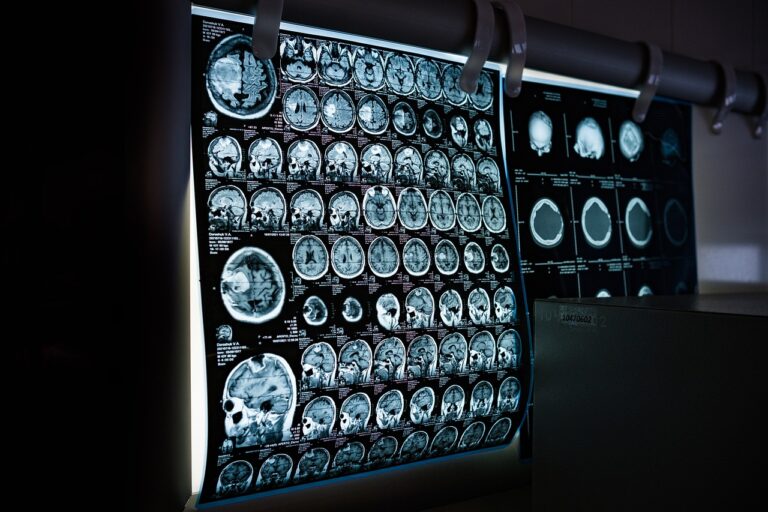
The tool was developed using MRI data from over 860 participants in the long-running Dunedin Study. By analyzing key markers like brain surface area, grey matter volume, and the size of memory-related regions like the hippocampus, researchers could estimate how fast someone is biologically ageing.
And the results were eye-opening.
The Fast-Ageing Brain: What It Reveals
People with brains that showed signs of faster ageing weren’t just more forgetful—they were also more likely to face serious health problems in the years that followed. According to the study, these “fast agers” had an 18% higher risk of chronic diseases and were 40% more likely to die early compared to their slower-ageing peers.
Brain scans of these individuals revealed thinner outer brain layers, more shrinkage in the hippocampus, and larger fluid-filled ventricles—all signs of accelerated wear and tear. And those changes don’t just stay in your head. The researchers found a strong link between brain ageing and whole-body decline, from frailty and heart attacks to lung disease and stroke.
In other words: how fast your brain ages may be a warning light for your entire body.
Why This Matters (Even If You Don’t Want to Know)
The real promise of this discovery isn’t just the cool science—it’s what we could do with the information. Catching fast ageing in its early stages could give doctors a chance to recommend lifestyle changes or medical interventions before major health issues strike.
Better yet, the tool appears to work across a range of backgrounds and ethnicities, suggesting that it’s not just a niche breakthrough. It could someday be used widely as part of routine midlife care—potentially helping millions of people get a head start on their long-term health.
The Big Question: Would You Want to Know?
It’s easy to say “ignorance is bliss” when it comes to ageing. But what if the right kind of knowledge could buy you more time—and more quality years?
For now, DunedinPACE isn’t something you can request at your next doctor’s appointment. But it’s a glimpse into what future medicine might look like: more personalized, more predictive, and maybe even a little more proactive.
So the next time you sit down for a health checkup, don’t just think about your age in years. Your brain might have something entirely different to say.