A Japanese research team has used CRISPR to remove the extra chromosome 21 linked to Down syndrome — a technical first that’s raising both scientific and ethical discussions.
A New Milestone in CRISPR Down Syndrome Research
Down syndrome, caused by an extra copy of chromosome 21, affects about 1 in 700 newborns in the United States. This additional genetic material disrupts how cells function, often leading to learning differences, unique physical traits, and certain health challenges.
While current interventions focus on managing symptoms, they do not address the underlying genetic duplication. Now, a team at Mie University in Japan has demonstrated a bold new step: using CRISPR Down syndrome editing techniques to remove the surplus chromosome entirely — in laboratory-grown cells.
How CRISPR Removed an Entire Chromosome
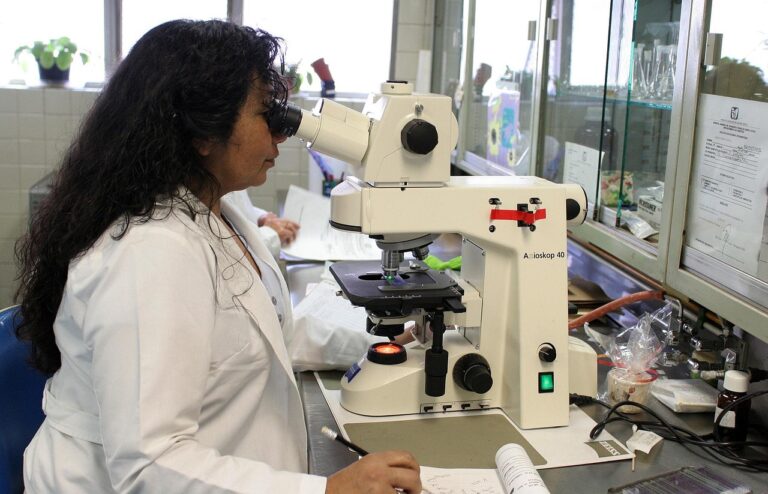
Led by Ryotaro Hashizume, the researchers applied a CRISPR-Cas9 gene-editing system to target and cut away the extra chromosome 21. This approach, sometimes called trisomic rescue, restored more typical patterns of gene activity and protein production in the treated cells.
After chromosome removal, the lab cells showed:
- More normalized gene expression.
- Faster growth rates.
- Reduced levels of reactive oxygen species, which can damage cells over time.
Quick Facts: CRISPR and Down Syndrome
- Cause: Down syndrome results from an extra copy of chromosome 21 (trisomy 21).
- What’s New: CRISPR successfully removed the entire extra chromosome in lab cells.
- Why It Matters: Could guide future regenerative or gene-based therapies.
- Where It Stands: Still in early-stage research — not a clinical treatment.
Success in Both Stem and Skin Cells
The CRISPR Down syndrome approach worked not only in stem cells, but also in mature skin fibroblasts from people with Down syndrome.
This is significant because mature cells don’t usually divide actively, yet the editing still succeeded in a notable number of cases. It hints at the potential for broader application across different tissues.
Researchers also observed a shift in gene activity after the edit: genes tied to nervous system development became more active, while metabolism-related genes were dialed down — changes that could be relevant to brain health.
The Road Ahead: Science Meets Ethics
Experts stress that while this marks a technical milestone, it’s far from ready for use in humans. CRISPR carries the risk of cutting unintended DNA sequences, and removing an entire chromosome is a complex and delicate process.
This development also raises profound ethical questions: Should genetic differences like Down syndrome be “corrected”? How do we balance scientific capability with respect for human diversity?
The Japanese team is working to make the method safer and more precise, refining how CRISPR identifies and targets the extra chromosome. They are also studying how corrected cells behave over time in real-world conditions.
Looking Forward
If further research confirms these results, CRISPR chromosome-removal techniques could become powerful tools for studying Down syndrome, developing lab-grown tissues, or exploring new therapeutic approaches.
For now, the breakthrough shows that CRISPR is capable of much more than small genetic tweaks — it can, in principle, remove an entire chromosome. Whether that ability should be used in medicine is a conversation that has only just begun.