If you’ve heard people talking about “gut health” lately, you’re not imagining it: your gut is a hotspot for overall health, and the community of microorganisms living there — collectively called the gut microbiome — plays a starring role. But what exactly is the gut microbiome, and why does it matter so much? Let’s break it down in plain language.
What Is the Gut Microbiome?
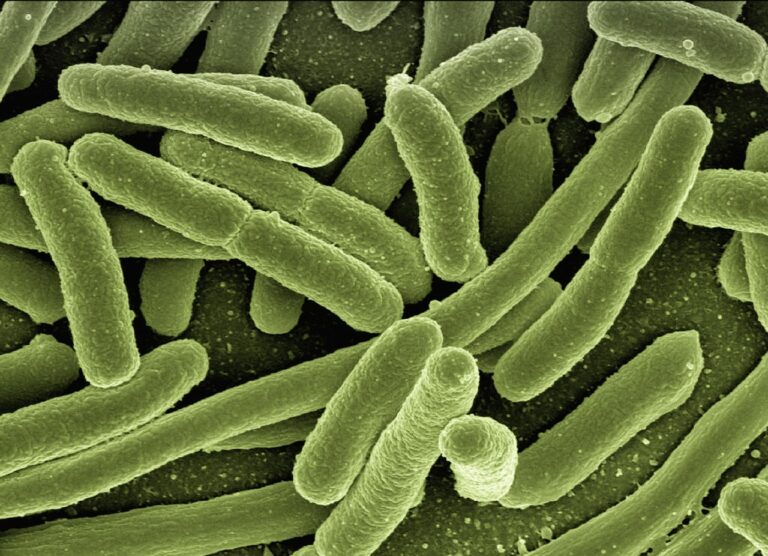
Your gut microbiome is the collection of trillions of microorganisms — including bacteria, viruses, fungi, and other microbes — that live primarily in your intestines. Each person’s microbiome is unique, shaped by genetics, diet, environment, medications, and lifestyle.
These tiny inhabitants aren’t just passive residents. They actively interact with your body, influencing digestion, immunity, metabolism, and even mood and brain function. Think of your gut microbiome as a bustling city where every citizen (microbe) has a job: some help digest food, some fight off pathogens, and some communicate with your immune system.
Why the Gut Microbiome Is So Important
- Digestive Health
The gut microbiome helps break down complex carbohydrates, fiber, and some proteins that your body can’t digest on its own. This process produces beneficial compounds like short-chain fatty acids, which nourish your gut lining and support overall digestive health. - Immune System Support
Around 70% of your immune system lives in your gut. Healthy gut bacteria help your immune cells recognize and respond to harmful invaders while avoiding overreacting to harmless substances — essentially keeping your immune system balanced. - Metabolism and Weight Management
Your gut microbiome influences how your body extracts energy from food and stores fat. Some studies show that certain microbial patterns are associated with obesity, insulin resistance, or metabolic disorders, though more research is needed to fully understand these relationships. - Brain and Mood Connection
The gut and brain communicate through the gut-brain axis, a network of nerves, hormones, and signaling molecules. Gut microbes produce neurotransmitters like serotonin and GABA, which can affect mood, stress response, and even cognitive function. This explains why gut health is increasingly linked to mental well-being. - Inflammation and Chronic Disease Risk
Imbalances in gut bacteria — often called dysbiosis — may contribute to inflammation, which is linked to conditions like heart disease, diabetes, and autoimmune disorders. Maintaining a healthy, diverse microbiome is a potential way to reduce chronic inflammation.
Factors That Influence Your Gut Microbiome
Your gut microbes are influenced by a variety of factors:
- Diet: High-fiber, plant-based diets tend to encourage microbial diversity, while diets high in processed foods and sugar may reduce beneficial bacteria.
- Antibiotics and Medications: While life-saving, antibiotics can wipe out beneficial bacteria, sometimes disrupting the microbiome balance. Other medications, including proton-pump inhibitors and certain diabetes drugs, can also affect gut microbes.
- Lifestyle: Exercise, sleep, stress levels, and exposure to diverse environments all impact your gut microbiome.
- Age and Genetics: Your microbiome develops in early childhood, evolves over time, and is partially shaped by your genes.
Signs Your Gut Microbiome Might Be Out of Whack
While everyone’s microbiome is different, certain symptoms may suggest your gut flora is imbalanced:
- Frequent digestive issues (bloating, gas, diarrhea, constipation)
- Unexplained fatigue or brain fog
- Persistent inflammation or autoimmune flare-ups
- Food sensitivities
- Mood disturbances like anxiety or low mood
Remember, these symptoms can have multiple causes. If you’re experiencing ongoing issues, it’s important to consult a healthcare professional.
How to Support a Healthy Gut Microbiome
- Eat a Diverse, Fiber-Rich Diet
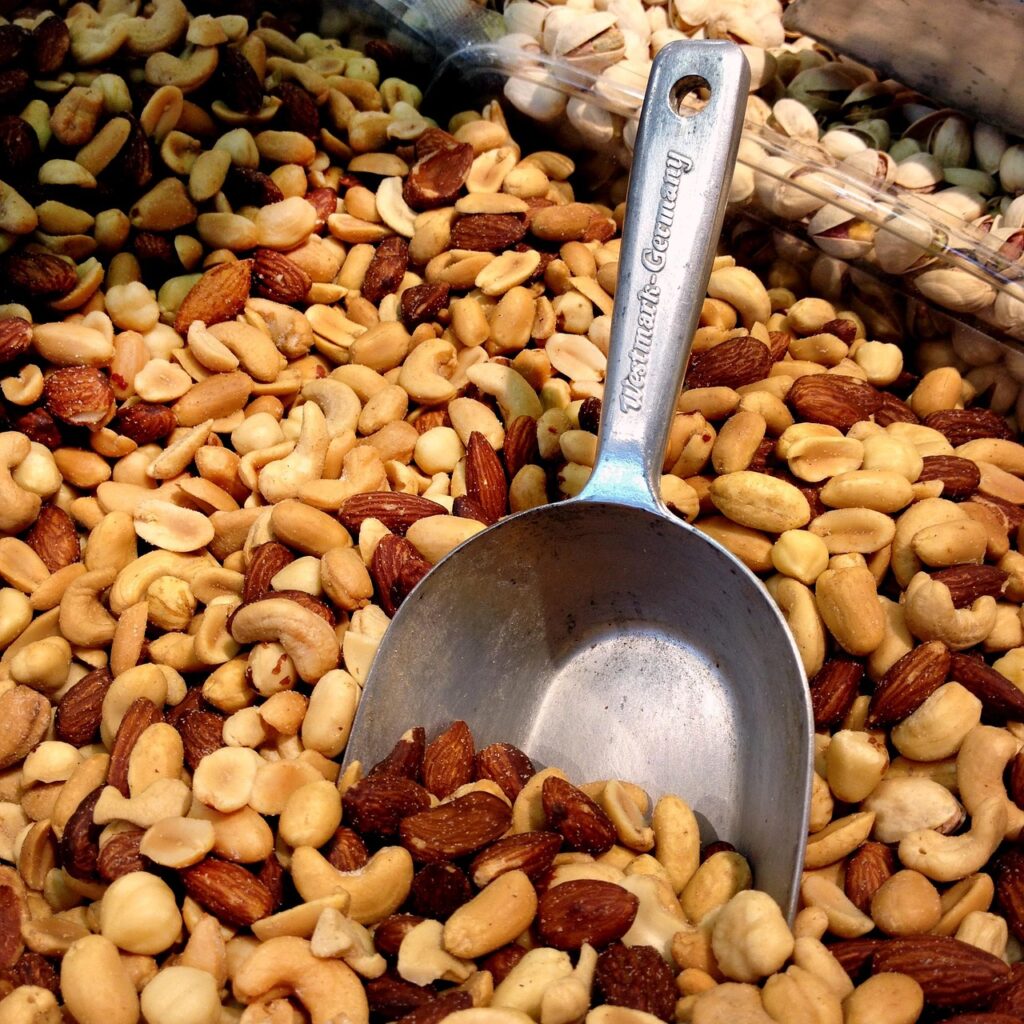
Include plenty of fruits, vegetables, whole grains, legumes, nuts, and seeds. Dietary fiber feeds beneficial gut bacteria, helping them flourish. - Include Fermented Foods
Yogurt, kefir, sauerkraut, kimchi, and other fermented foods contain live bacteria that can support gut health. - Limit Highly Processed Foods and Added Sugars
Diets high in ultra-processed foods may reduce microbial diversity and encourage the growth of less beneficial species. - Exercise Regularly
Physical activity has been shown to positively influence gut microbial diversity and metabolic function. - Manage Stress
Chronic stress can disrupt the gut microbiome. Mindfulness, meditation, yoga, or deep-breathing exercises can help maintain balance. - Be Mindful With Antibiotics
Take antibiotics only when prescribed, and consider probiotics or dietary strategies to help restore gut bacteria after treatment (with guidance from your doctor).
The Bottom Line
Your gut microbiome is far more than just bacteria in your intestines — it’s a complex ecosystem that affects digestion, immunity, metabolism, mental health, and overall wellness. Maintaining a diverse and balanced microbiome through diet, lifestyle, and mindful medication use is one of the most powerful ways to support long-term health.
While the science of the gut microbiome is still evolving, one thing is clear: nurturing your gut isn’t just trendy wellness advice — it’s grounded in solid biology with real impacts on your daily life and future health.