On Friday a Federal Judge in Rhode Island Told the Trump Administration that Contingency Funds Must Cover SNAP Benefits in November.
The U.S. government’s continuing budget impasse is now threatening one of the country’s most essential safety-net programs: food assistance for low-income families. The Supplemental Nutrition Assistance Program (SNAP), which helps roughly one in eight Americans buy groceries each month, is at risk of being cut off as the federal shutdown drags on.
Why the alarm bells are ringing
On the ground, the impact is immediate: long lines at food pantries, drive-through distributions expanding their footprint and families scrambling to fill their carts as usual benefit payments are delayed or halted. For example, at the World of Life Christian Fellowship International food pantry in the Bronx, New York, volunteers reported early-morning arrivals, braving cold and long queues to receive staples like bread, fresh produce and milk.
In many states, the ledger is stark: the United States Department of Agriculture (USDA) warned that November benefit payments could be interrupted due to funding lapses. Estimates show SNAP distributes around $8–9 billion per month to participants.
The legal and policy tug-of-war
As the shutdown persists, legal fights have moved to the front line. Two federal judges recently ruled that the administration must use its contingency funds to continue SNAP benefits, calling the proposed suspension “unlawful.” The USDA had argued it lacked authority to use certain emergency funds, but the courts disagreed.
Despite the ruling, the timing and magnitude of payments remain uncertain. Some states are scrambling to fill the gap. For instance, Vermont earmarked $6.3 million of state funds to cover a portion of benefits for a short period. Still, experts caution that states cannot replicate the scale of federal support, particularly if the shutdown continues.
What this means for households and health
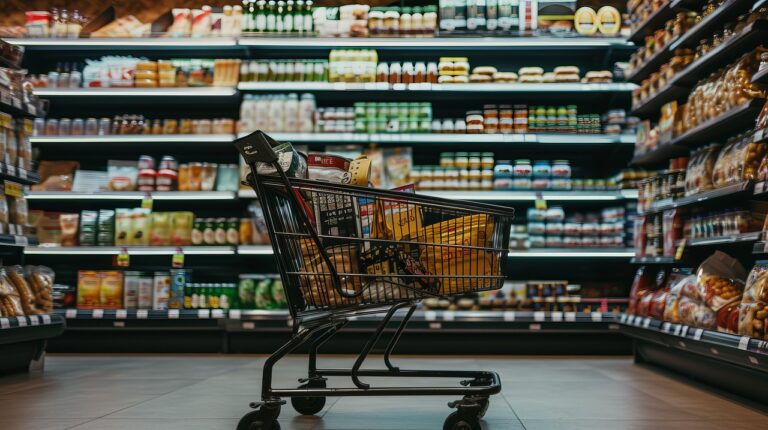
SNAP recipients are disproportionately low-income, often juggling multiple jobs, tight budgets and limited savings. The program typically provides modest monthly benefits—averaging in the low-hundreds of dollars—but for many households, it is the difference between a full cart and empty cupboards.
The health implications are real. Food insecurity is linked to poor diet quality, fatigue, and higher risk of chronic illness—especially among children, older adults and people already facing health disparities. One analysis notes that Black Americans make up about 12.6 % of the population but account for more than a quarter of SNAP recipients.
Broader risks and state-level responses
With the national safety net frayed, local communities and states are stepping in—but their capacity is limited. Food banks report surging demand, even outside the typical recipients. In one Georgia distribution site, demand spiked substantially. Many states are deploying contingency funding or redirecting welfare reserves, but analysts agree they cannot replicate the federal program’s breadth.
If SNAP payments remain delayed or reduced for multiple months, the ripple effects extend beyond hunger. Families may cut back on medications, skip preventive care, postpone utility payments or rely more heavily on emergency services. From a public-health perspective, food insecurity during a prolonged benefit disruption can strain health systems and worsen outcomes.
The path ahead
Ultimately, the resolution rests on two fronts: the federal budget dispute and the administration’s ability to allocate emergency funds. While the courts have forced the issue, uncertainty remains over how fast payments will reach beneficiaries and whether full payment will resume. Meanwhile, food-aid organizations and state agencies continue to mobilize.
For households, the key message is this: If you rely on SNAP, monitor your account carefully, stay in touch with your local public-assistance office, and don’t assume payments will arrive on the usual schedule. If they’re delayed, local food banks and community resources may become your short-term fallback. Many organizations are gearing up for increased service—and earlier outreach may make a difference.
Bottom line
In a perfect world, SNAP is invisible to most Americans—just another benefit delivered smoothly. The current shutdown, however, threatens to make it painfully visible. For millions of households nationwide, this isn’t about policy abstractions: it’s about whether there’s food on the table this month. And when benefits falter, hunger doesn’t wait.