For many people, energy drinks feel like a harmless boost — a way to stay alert during long workdays or push through fatigue. But a new medical case report highlights a sobering reality: even people who appear healthy and fit may face serious risks when energy drink consumption becomes extreme.
The case, published in BMJ Case Reports and reported by CNN, centers on a 54-year-old man whose daily energy drink habit was ultimately linked to a life-altering stroke. His story sheds new light on energy drink stroke risk and why doctors say these beverages deserve far more attention during routine health conversations.
When “Healthy” Isn’t Enough
At first glance, the man did not fit the typical profile of someone at high risk for stroke. He was an avid runner, didn’t smoke, drink alcohol, or use drugs, and had no known chronic illnesses. That’s why his sudden symptoms were so alarming.
He experienced left-sided weakness and numbness, along with problems with balance, walking, swallowing, and speech. A family member rushed him to a stroke clinic, where doctors quickly discovered something startling: his blood pressure was dangerously high.
“His blood pressure was sky high — about 254 over 150 millimeters — yet when you looked at him you’d never know it, because he looked so well,” said Dr. Sunil Munshi, a consulting physician at Nottingham University Hospitals NHS Trust and senior author of the case report. Munshi described hypertension as “the silent killer” because it can cause severe damage without obvious warning signs.
For context, normal blood pressure is considered less than 120 over 80. Readings of 180 over 120 or higher are classified as a medical crisis requiring immediate care.
Scans revealed the man had suffered a stroke in the thalamus, a deep part of the brain that helps regulate movement and sensory signals. The location of the stroke explained his unsteadiness and neurological symptoms.
The Energy Drink Habit Doctors Nearly Missed
Doctors treated the man with multiple medications to bring his blood pressure down. While it initially dropped, his blood pressure soon climbed again — reaching 220 despite aggressive treatment. Extensive testing failed to uncover a clear cause.
The breakthrough came weeks later, when the man mentioned something that had not initially seemed medically relevant: his energy drink consumption.
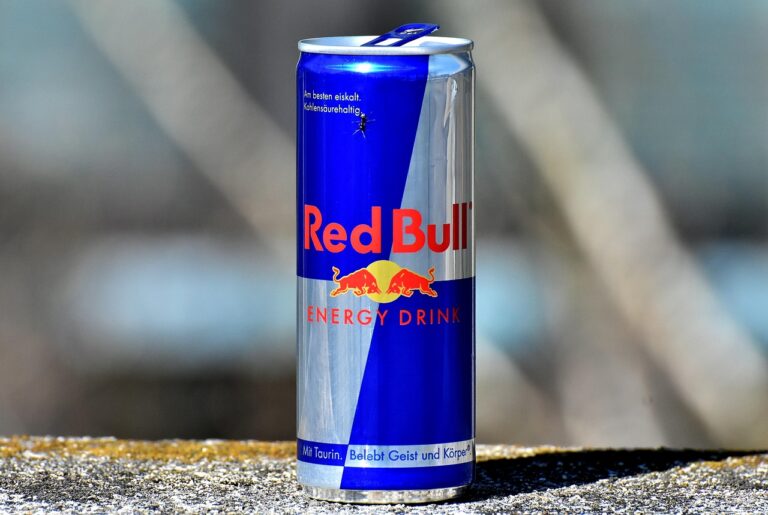
Each day, he drank eight highly caffeinated energy drinks to stay alert at work, consuming them at four different times throughout the day. Each can contained about 160 milligrams of caffeine. That added up to roughly 1,200 to 1,300 milligrams of caffeine daily.
“That’s three times the recommended amount,” said Dr. Martha Coyle, a resident doctor at Nottingham University Hospitals NHS Trust and first author of the study.
In both the United Kingdom and the United States, health guidelines recommend limiting caffeine intake to no more than 400 milligrams per day for most adults. Some energy drinks, however, can contain up to 500 milligrams of caffeine in a single can.
Once the man stopped drinking energy drinks, his blood pressure returned to normal within weeks.
Why Energy Drinks Can Drive Blood Pressure So High
Caffeine alone does not fully explain what happened, doctors say. Modern energy drinks contain a combination of ingredients that may amplify their effects on the cardiovascular system.
“Energy drinks that contain caffeine plus taurine produce significantly higher blood pressure than caffeine alone,” Munshi explained.
In addition to caffeine and taurine, many energy drinks contain:
- High levels of sugar, which can damage blood vessels over time
- Guarana, a plant source of caffeine believed to be more concentrated than coffee beans
- Ginseng, which can affect metabolism
- Milder stimulants such as theophylline and theobromine
Together, these ingredients may strain the heart and blood vessels in ways that are not immediately obvious. According to Munshi, energy drinks have been linked in medical literature to cardiac arrhythmias, damage to the endothelium (the lining of blood vessels), and increased platelet aggregation — a process that can lead to blood clots.
“When platelets are aggregated, especially in the setting of high glucose, they can produce blood clots,” he said.
This helps explain why doctors are increasingly concerned about energy drink stroke risk, particularly when consumption is heavy or prolonged.
Permanent Damage — Even After Quitting
Although stopping energy drinks allowed the man’s blood pressure to normalize, the stroke left lasting effects. Years later, he still lives with numbness in his left hand, fingers, foot, and toes.
“I obviously wasn’t aware of the dangers drinking energy drinks were causing to myself,” the man told his doctors. Even eight years after the incident, some symptoms remain.
His experience underscores a difficult truth about stroke recovery: damage to the brain is not always reversible, even when the underlying cause is addressed.
Not an Isolated Case
While this case may sound extreme, Munshi emphasized that it is not unique. Medical literature contains numerous reports linking energy drink use to serious cardiovascular events.
“We have seen other patients who developed an irregular heartbeat, what we call atrial fibrillation,” Munshi said. “Another patient developed an intracerebral hemorrhage in the brain, while yet another patient had a stroke in the brain due to a blood clot.”
Doctors are particularly worried about younger people, who may assume energy drinks are safe because they are widely available and heavily marketed.
“Young people are often willing to try energy drinks, especially in combination with other drugs such as cocaine or methylamphetamine,” Munshi said, noting that combining stimulants can dramatically increase risk.
What This Means for Everyday Energy Drink Users
Most people who occasionally drink an energy drink will not experience a stroke. However, experts say this case highlights several important takeaways for the general public:
- Energy drinks are not the same as coffee or tea, especially at high doses
- Consuming multiple cans per day can quickly exceed safe caffeine limits
- Symptoms of high blood pressure may be invisible until serious damage occurs
- Doctors may not ask about energy drinks unless patients mention them
Munshi believes health care providers should routinely ask about energy drink use, especially when younger or otherwise healthy patients present with cardiovascular problems.
Calls for Greater Awareness and Regulation
Experts say the nature of energy drinks has changed significantly in recent years. Products have become stronger, more complex, and more aggressively marketed — often toward younger consumers.
“The nature of these drinks is changing. They have become more and more dangerous and more potent,” Munshi said.
He and his colleagues have called for increased regulation of energy drink sales and advertising, along with better public education about potential risks.
For readers, the takeaway is not panic, but awareness. Understanding what’s in these drinks — and how much is too much — may help prevent serious outcomes before they occur.