
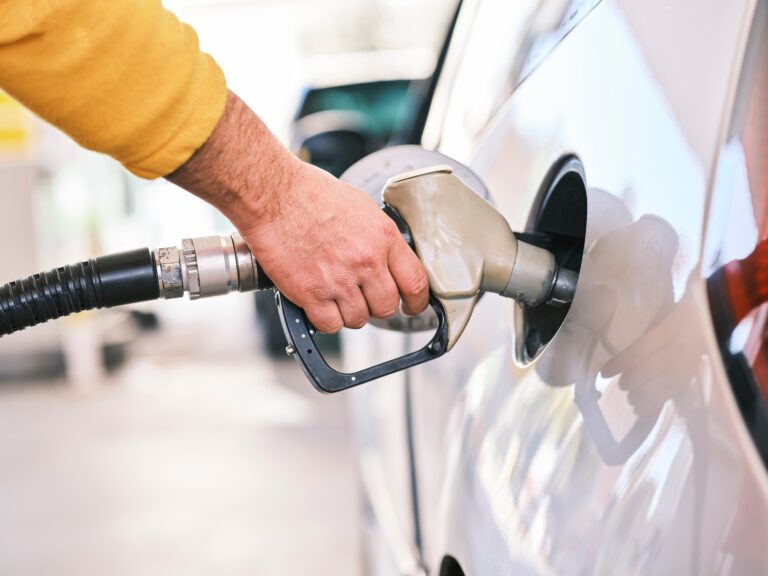
For millions of Americans, Memorial Day weekend has always marked the unofficial beginning of summer: road trips, beach traffic, family travel, backyard cookouts, and long drives with the windows down. But this year, many drivers are approaching the season with a grimace instead of excitement.
Gas prices across the United States have surged to their highest levels since the energy shocks of 2022, and in some parts of the country, drivers are now paying well over $6 per gallon just to fill up for a weekend getaway. The timing could hardly be worse. Summer driving demand is ramping up, inflation is still squeezing household budgets, and many Americans say they are already cutting back on travel plans because of fuel costs.
According to the latest data from the AAA Fuel Prices Center, the national average price for a gallon of regular gasoline now sits at roughly $4.52 per gallon as of May 11, 2026. Just one month ago, the national average was about $4.13. A year ago, it was closer to $3.13.
That means the average American household is spending dramatically more just to maintain the same routines they had last spring.
Where Gas Prices Are Highest
Once again, the West Coast is taking the hardest hit.
California currently has the highest average gas prices in the country, with statewide averages climbing above $6.15 per gallon. Washington is next at roughly $5.76, followed by Hawaii, Oregon, Nevada, and Alaska.
For drivers in cities like Los Angeles, San Francisco, Seattle, and Portland, seeing prices near, or above, $6 at the pump is becoming increasingly common. Some individual stations in high-cost urban areas are pushing even higher.
Several factors are driving the regional spike:
- California’s stricter fuel blend requirements
- Higher state gas taxes
- Refinery constraints on the West Coast
- Increased summer fuel demand
- Rising global oil prices tied to Middle East instability
Analysts say tensions involving Iran and shipping concerns in the Strait of Hormuz have added significant pressure to global crude oil markets this spring. Since oil is traded globally, Americans feel the effects quickly, even though the United States remains one of the world’s largest oil producers.
Where Gas Is Cheapest
The picture looks very different in parts of the South and Midwest.
Oklahoma currently has some of the cheapest gas in America, averaging just under $4 per gallon. Mississippi, Louisiana, Arkansas, Texas, Georgia, and Alabama are also among the least expensive states for fuel right now.
Even there, however, prices are noticeably higher than they were earlier this year.
Drivers in lower-cost states are benefiting from:
- Lower fuel taxes
- Closer proximity to Gulf Coast refining infrastructure
- Lower transportation costs
- Less restrictive fuel requirements
Still, many Americans are experiencing sticker shock no matter where they live. Filling a typical 16-gallon tank now costs more than $72 nationally—and close to $100 in parts of California.
Are Americans Already Driving Less?
There are early signs the answer is yes.
A recent national survey found that 44% of Americans say they have already cut back on driving because of rising fuel prices. Another 34% say they are changing or scaling back vacation plans, while 42% report cutting other household spending just to afford gas.
Energy analysts are also watching broader trends closely. The U.S. Energy Information Administration recently projected that gasoline consumption could decline in 2026 and 2027 as vehicle efficiency improves and overall driving growth slows.
That does not necessarily mean Americans are suddenly abandoning summer travel altogether. Historically, Memorial Day through Labor Day remains the busiest driving season in the country. But high fuel prices tend to change behavior around the margins:
- Fewer long-distance road trips
- More “staycations”
- Shorter vacations
- Consolidated errands
- Increased interest in hybrid and electric vehicles
For many families, the math is becoming impossible to ignore.
Why Summer Gas Prices Usually Rise
Even without geopolitical turmoil, gas prices often climb in late spring and early summer.
That is partly because demand naturally rises as Americans travel more. But another major factor is the switch to summer gasoline blends, which are more expensive to refine and required in many states for environmental reasons.
This seasonal transition happens almost every year, but when it overlaps with refinery outages or global oil disruptions, prices can spike quickly.
And this year, both pressures are happening simultaneously.
Could Prices Get Worse?
Unfortunately, yes.
Some analysts warn that if oil market disruptions continue through the summer—or if hurricane season affects Gulf Coast refining capacity—prices could rise even further heading into July and August.
Others believe prices may stabilize if geopolitical tensions ease and fuel production improves.
But for now, Americans heading into Memorial Day are confronting a reality many hoped had stayed behind in 2022: painfully expensive gas during the busiest travel season of the year.
And for families already stretched thin by housing costs, food prices, insurance premiums, and lingering inflation fatigue, the summer road trip is starting to feel less like a tradition—and more like a luxury.