Halloween is one of the most exciting nights of the year for kids and families. Costumes, decorations, and the thrill of collecting candy make it a night to remember. But along with the fun, trick-or-treating comes safety concerns that parents and caregivers should keep in mind. With a little planning, you can ensure that your family enjoys a night of spooks and sweets without unnecessary risks.
Walking and Traffic Safety
Halloween sees more pedestrians on the streets than any other time of year, which means extra vigilance is needed. Children may be focused on candy or friends and forget basic safety rules, so parents should plan ahead. Using reflective tape on costumes, carrying flashlights, and sticking to sidewalks and well-lit streets can make a big difference. Younger children benefit from being walked by an adult, while older children should be reminded to look both ways and stay alert for vehicles. Awareness is key—cars, bicycles, and other pedestrians all share the road, and staying visible and cautious can prevent accidents.
Costume Safety
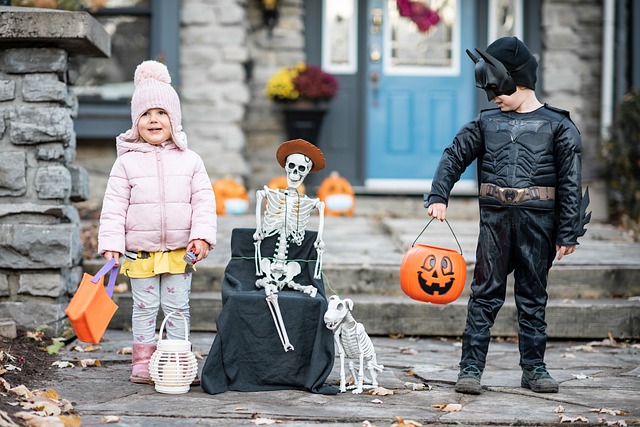
Costumes are a highlight of the holiday, but safety should be part of the fun. Fire-resistant fabrics, properly fitted clothing, and clear vision are crucial, and parents should consider comfort as well as appearance. Oversized shoes or high heels increase the risk of trips and falls, so opting for practical footwear is wise. Accessories and props should be soft and flexible to avoid injuries during high-energy activities. Even small adjustments, like layering warm clothing under costumes or using face paint instead of masks, can make trick-or-treating safer and more enjoyable for children.
Candy and Moderation
Candy is the heart of Halloween, but it’s also where many safety concerns arise. Parents should inspect treats for choking hazards or allergens and consider pre-portioning candy to prevent overindulgence. Eating too much candy at once can cause stomach discomfort, even if the idea of a “sugar high” is mostly a myth. Setting clear rules about when and how much candy kids can eat helps maintain balance and prevents unnecessary trips to the bathroom or crankiness later in the evening.
Managing Energy and Fatigue
Trick-or-treating can be surprisingly exhausting. Walking several blocks, navigating stairs, and carrying heavy candy buckets can quickly tire young children. Planning a clear route with breaks in mind and ensuring children stay hydrated can make the experience more enjoyable. Group trick-or-treating with friends or neighbors not only adds to the fun but also provides extra supervision and helps kids pace themselves.
Emergency Preparedness
Even with careful planning, unexpected situations can occur. Having a charged phone and a small first-aid kit on hand is always a good idea. Parents should talk to children about what to do if they get separated or encounter something frightening, ensuring everyone knows how to stay safe. Glow sticks or small lights can help parents keep track of children in the dark while adding a festive touch to costumes.
Emotional Well-Being
Halloween can be overwhelming for some children. Crowds, loud noises, and spooky decorations can lead to overstimulation or anxiety. Parents can help by choosing quieter neighborhoods, shortening trick-or-treating sessions if needed, or preparing kids for what to expect. Encouraging breaks, deep breaths, or stepping away from particularly scary decorations can prevent meltdowns and keep the night enjoyable.
Community Awareness
Choosing the right neighborhood or event is another way to enhance safety. Well-lit streets, familiar areas, and organized community events such as school or church festivals reduce the risk of accidents and create a more controlled environment. These events often include games, prizes, and other activities that keep children engaged while parents can relax knowing that safety measures are in place.
A Few Key Safety Tips
- Walk with younger children or make sure older children have a check-in plan.
- Inspect candy for choking hazards and allergens.
- Encourage balanced candy consumption and hydration.
- Use reflective tape, flashlights, or glow sticks to increase visibility.
- Prepare children for crowds and overstimulation, taking breaks when needed.
Halloween is meant to be fun and memorable. By focusing on pedestrian and costume safety, monitoring candy intake, and being mindful of your children’s energy and emotional state, you can ensure a night that’s both thrilling and safe. With preparation and awareness, trick-or-treating can be a night of laughter, excitement, and treasured family memories.