
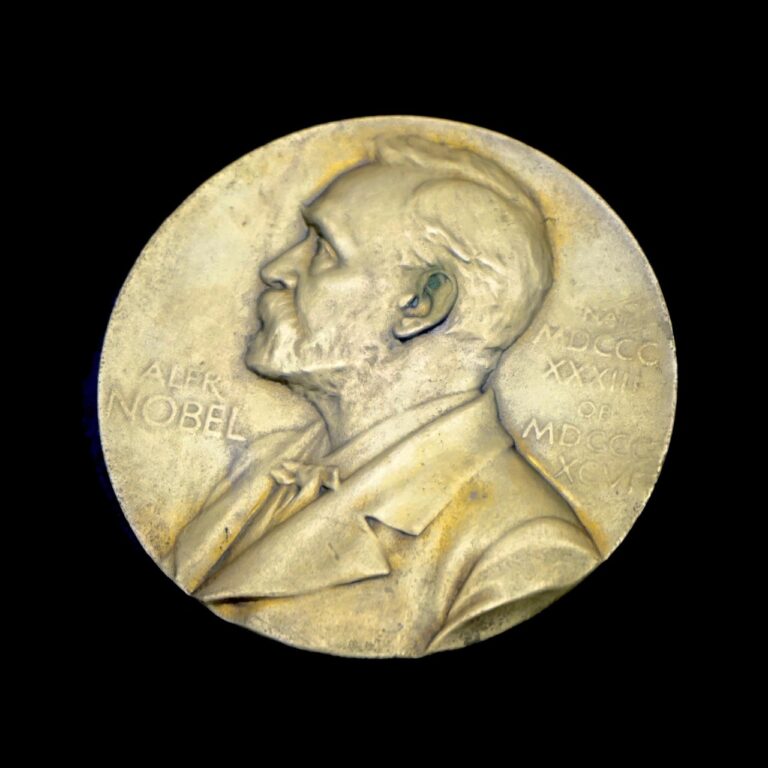
Every day, your immune system performs a delicate balancing act: it fights off infections and harmful invaders while leaving your own cells untouched. This ability to “know itself” is called peripheral immune tolerance, and it’s at the heart of the 2025 Nobel Prize in Physiology or Medicine. Scientists Shimon Sakaguchi, Mary E. Brunkow, and Fred Ramsdell uncovered how the body prevents its immune system from attacking itself—a discovery that has opened new doors for understanding autoimmune diseases and improving therapies.
What Does It Mean for the Body to “Protect Itself”?
Most of us think of the immune system as a frontline defense against germs and viruses. But it’s not just about fighting invaders; it also needs to avoid attacking healthy tissues. This “self-protection” is what scientists refer to as peripheral immune tolerance.
Until recently, researchers didn’t fully understand how the body maintains this balance. The Nobel-winning work revealed that a special type of immune cell, called regulatory T cells (Tregs), plays a starring role. These cells act like referees, keeping the immune system from overreacting or targeting the body’s own tissues.
Think of Tregs as peacekeepers in the immune system: they watch for trouble, then calm overly aggressive immune responses before they turn harmful. This simple but vital mechanism explains why most people rarely develop autoimmune diseases.
When the Immune System Mistakes Friend for Foe
Sometimes, the immune system loses track of what’s “self” and what’s foreign. When that happens, it can mistakenly attack healthy cells—a phenomenon known as autoimmunity.
Common autoimmune diseases include:
- Type 1 diabetes – immune cells attack insulin-producing cells in the pancreas.
- Rheumatoid arthritis – the immune system attacks joints, causing pain and inflammation.
- Multiple sclerosis – immune cells target protective layers around nerves, affecting movement and sensation.
Failures in peripheral immune tolerance are central to these conditions. By understanding how Tregs work, scientists now have a clearer picture of why the immune system sometimes misfires. This insight is a crucial step toward therapies that could restore balance, reduce flare-ups, or even prevent autoimmune diseases from developing in the first place.
How Scientists Cracked the Code
Sakaguchi, Brunkow, and Ramsdell’s research over the past few decades illuminated the inner workings of Tregs. They discovered that without these regulatory cells, the immune system can become dangerously overactive. In experimental models, mice lacking Tregs developed widespread autoimmune diseases, confirming the critical role these cells play in immune self-control.
Their work also shed light on immune checkpoints, molecular “brakes” that help Tregs and other immune components maintain calm. By mapping out these mechanisms, the researchers have provided the foundation for innovative treatments in medicine.
Importantly, this discovery doesn’t just explain how autoimmune diseases occur—it also provides clues for enhancing immune responses when needed. For instance, cancer therapies increasingly aim to “release the brakes” on the immune system so it can attack tumors more effectively, showing how insights from Tregs are influencing a wide array of treatments.
Why This Matters for Health Today
The implications of peripheral immune tolerance extend far beyond the lab. Already, this research is influencing:
- Autoimmune disease therapies: Understanding Tregs opens the door to treatments that restore immune balance, potentially reducing dependence on steroids or broad immunosuppressants.
- Transplant success: By harnessing immune tolerance, doctors can reduce the risk of organ rejection after transplants.
- Future vaccines and cancer treatments: Insights into immune regulation help design therapies that stimulate the immune system safely and effectively.
For everyday health, these discoveries offer reassurance that scientists are steadily unraveling the mysteries of immune balance. While most of us won’t think about Tregs daily, their work silently protects our bodies from attacking themselves—and may one day help prevent or treat diseases that affect millions worldwide.
The Big Picture: Hope and Health
The 2025 Nobel Prize reminds us that the immune system is not just a defensive army—it’s a finely tuned guardian of self. Thanks to decades of careful research, we now understand a little more about how our bodies maintain harmony at a cellular level.
For readers, the takeaway is encouraging: science continues to unlock the secrets of health, giving hope for more effective treatments for autoimmune diseases, cancer, and transplant medicine. The body’s ability to protect itself, once a mystery, is now a frontier for innovation, promising a healthier future for all of us.