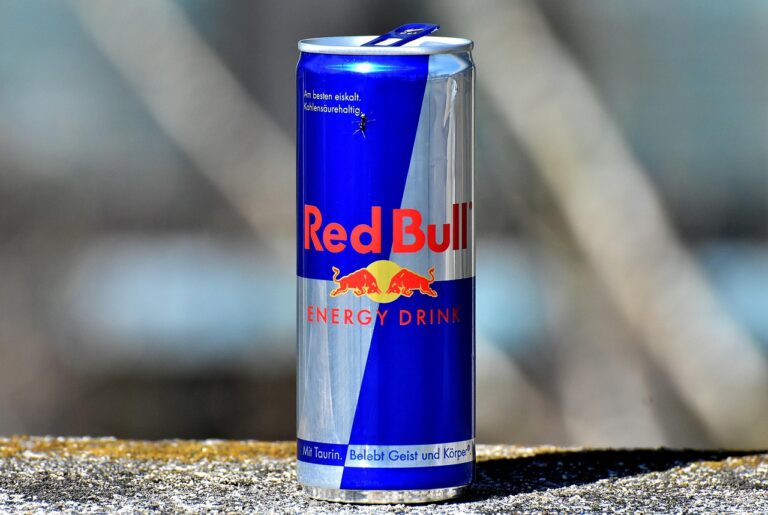
That daily can of Red Bull or Monster might give you wings—but it could also send your heart, hormones, and stress levels soaring. New research and expert reviews are uncovering surprising ways energy drinks affect everything from your sleep to your blood pressure. While an occasional caffeine boost isn’t off-limits, doctors are urging consumers to understand what’s really inside those neon cans and how too much can quietly sabotage your body’s natural balance.
In our latest feature, we unpack the science behind energy drink risks, the truth about cortisol spikes, and how to tell if your “pick-me-up” is really wearing you down.
The hidden truth about energy drink risks
They promise wings, focus, and power—but the buzz from energy drinks may come with a sting. Every can of Red Bull, Monster, or Celsius is a complex chemical cocktail designed to jolt your system awake. But experts warn that this quick fix could come at a cost—one that shows up in your stress levels, your sleep, and even your heart.
Energy drink risks are no longer an underground concern. From soaring cortisol levels (your body’s main stress hormone) to heart rhythm irregularities, science is beginning to map out what happens when we rely too heavily on liquid adrenaline.
⚡ What’s Really in an Energy Drink?
Walk down any convenience store aisle and you’ll see bright, bold cans promising instant focus or energy. But behind the flashy designs are a few familiar culprits:
- Caffeine: Often 80–200 mg per serving, equal to up to two cups of coffee.
- Sugar: As much as 27 grams in one can—nearly seven teaspoons.
- Taurine, B-vitamins, guarana, and ginseng: Added for “performance,” but often with limited or mixed scientific backing.
According to a Mayo Clinic Q&A on energy drinks, many consumers don’t realize these products can contain multiple stimulants—not just caffeine. Guarana, for example, adds additional caffeine that isn’t always reflected on the label, making it easy to overconsume.
Your body interprets this surge as a stress signal, kicking off a chain reaction that begins with your adrenal glands.
🧠 The Cortisol Connection: Why Energy Drinks Spike Stress
When you drink an energy beverage, your heart beats faster, your blood pressure rises, and your cortisol levels—your body’s natural alarm system—shoot up.
The Times of India recently highlighted five major triggers for cortisol spikes, including high caffeine intake, poor sleep, sugar overload, chronic stress, and skipping meals—all of which are common behaviors among heavy energy drink users.
In the short term, this may feel like focus or productivity. In reality, it’s your body going into mild “fight-or-flight” mode. That’s fine occasionally, but repeated spikes can wreak havoc on your metabolism, mood, and sleep patterns.
Experts note that cortisol naturally rises in the morning to wake you up and falls at night to prepare you for rest. When you flood your system with caffeine and sugar late in the day, you disrupt this rhythm, making it harder to unwind—often leading to a cycle of fatigue, poor sleep, and more caffeine the next day.
❤️ The Short-Term Rush vs. Long-Term Risks
A 2023 review published in the Journal of Caffeine Research and available via the NIH’s PubMed Central (PMC10535526) examined how repeated energy drink consumption affects the body over time. The findings aren’t exactly energizing.
Short-term effects can include:
- Rapid heartbeat and increased blood pressure
- Jitters or anxiety
- Headaches or digestive upset
- Difficulty falling asleep
Long-term effects, especially in people who drink multiple cans daily, may include:
- Heart rhythm abnormalities: Elevated risk of arrhythmias
- Metabolic issues: Weight gain, insulin resistance, and higher blood sugar levels
- Kidney strain: Due to high sugar and stimulant content
- Dental erosion: From acidic ingredients and sugar content
Healthline’s review of Red Bull side effects adds that combining these drinks with alcohol—an all-too-common habit—can mask the feeling of intoxication, increasing the risk of overdrinking and accidents.
Mayo Clinic experts echo this warning, advising moderation and noting that while occasional use is unlikely to harm healthy adults, those with heart problems, anxiety disorders, or high blood pressure should avoid them altogether.
🚫 Who Should Skip Energy Drinks Entirely
Some groups are more vulnerable to the side effects of energy drinks than others.
- Teens and young adults: The American Academy of Pediatrics discourages use entirely, citing heart rhythm risks and developmental concerns.
- People with heart disease or hypertension: The stimulant load can increase blood pressure or trigger palpitations.
- Those who are pregnant or breastfeeding: High caffeine levels can affect fetal development and appear in breast milk.
- People prone to anxiety or sleep disorders: The caffeine-cortisol combination can worsen symptoms.
If any of those describe you—or if you simply notice heart racing, jitteriness, or a mid-afternoon crash after drinking one—it’s worth reassessing whether that “pick-me-up” is really helping.
🥤 Smarter Swaps and Simple Fixes
Giving up energy drinks cold turkey isn’t realistic for everyone. The good news? You don’t have to quit entirely to protect your health. Experts recommend small, practical swaps to regain balance:
- Hydrate before you caffeinate. Often, fatigue stems from mild dehydration. Drink a full glass of water before reaching for caffeine.
- Switch to unsweetened green tea or matcha. These offer a milder caffeine boost with antioxidants and less sugar.
- Eat regularly. Low blood sugar makes you crave quick energy; keeping snacks like nuts or fruit handy helps avoid that crash.
- Set a caffeine curfew. Avoid energy drinks within six hours of bedtime to protect your sleep and cortisol rhythm.
- Prioritize real rest. No drink can replace the rejuvenation of sleep, nutrition, and genuine downtime.
As Mayo Clinic cardiologists put it: “Energy drinks aren’t inherently evil—but they are designed for short-term stimulation, not sustainable health.”
⚖️ The Bottom Line: Know Your Limits
Energy drinks can serve a purpose when used responsibly—say, before a workout or during a long drive—but they shouldn’t become your default energy source. The stimulant-sugar combo may deliver quick results, but it can also push your body’s stress systems into overdrive.
If you rely on energy drinks daily to function, it might be time to look beyond caffeine and consider what your body is really asking for—sleep, hydration, or stress recovery.
Moderation, not elimination, is the keyword here. Enjoy them occasionally, stay informed, and recognize that energy drink risks are manageable when you know the science behind the buzz.
Your body doesn’t need artificial wings—it needs consistent care, rest, and real fuel to soar.