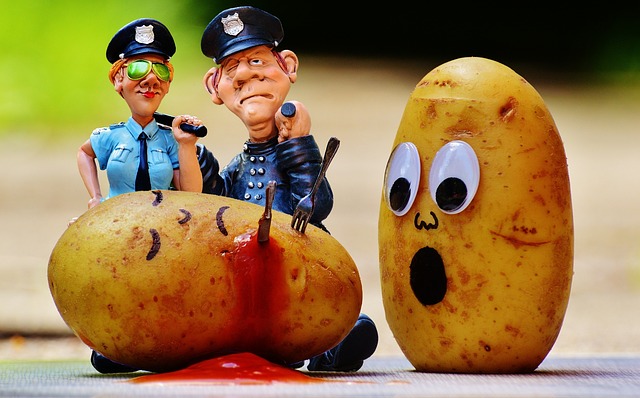
It’s Halloween, the time of year when fake blood is everywhere. From masks to costumes to scary decorations, red “blood” shows up in all kinds of ways. And yet, even when it’s clearly fake, some people still flinch, feel dizzy, or get queasy just seeing it. Why does blood make so many of us react this way?
A Survival Instinct
Part of the reason is evolution. Humans have been hardwired for survival for thousands of years. Seeing blood could mean danger—like an injury or a predator attack. Reacting quickly could save lives.
Our ancestors who paid attention to blood were more likely to survive. If someone ignored a dangerous situation, they could get hurt—or worse. So, feeling scared or grossed out by blood helped humans react fast to avoid harm.
How Our Bodies React
The reaction to blood isn’t just in our heads—it’s in our bodies too. Some people have what’s called blood-injection-injury (BII) phobia, which happens when seeing blood, needles, or injuries makes the heart rate and blood pressure drop. This can lead to fainting, dizziness, or nausea.
This is called a vasovagal response. Scientists think fainting when we see blood might have helped our ancestors survive. If someone was injured, fainting could make them look less threatening to predators and stop them from losing too much blood by moving around.
About 3–4% of people experience this, with women slightly more likely than men. Even if it doesn’t happen to you, many people still feel uneasy around blood.
Learned Reactions and Culture
Not everyone reacts the same way. Some people can watch horror movies or play Halloween games with fake blood and feel fine. Others get squeamish or even panicky.
Part of this comes from experience. A scary or painful event involving blood can make someone more sensitive to it later. Culture also matters. Some societies treat blood as gross or dangerous, which can make people more likely to react strongly. In other cultures, blood may be seen as natural or even sacred, and reactions are milder.
Halloween Makes It Worse
Halloween is a tricky time for anyone who’s squeamish. Movies, decorations, costumes, and makeup all show bright red “blood.” Even if you know it’s fake, your body may react first, sometimes before your brain can catch up.
The red color acts like a warning signal. Your heart may race, your stomach may churn, and you might even feel faint. It’s your body’s way of paying attention—an automatic reaction shared by millions of people.
Handling the Freak-Out
If you get nervous around blood, there are ways to cope. Exposure therapy—gradually getting used to images or fake blood—can reduce your reaction over time. Even small tricks, like taking deep breaths or looking at something else, can help during Halloween fun.
And it’s perfectly fine to avoid things that make you uncomfortable. You don’t have to push yourself into a haunted house or watch a gory movie if it makes you sick.
Why Blood Is Still Fascinating
Even though it makes us squeamish, blood is part of the fun of Halloween. It’s dramatic, exciting, and taps into a part of us that’s very old—our survival instincts. The sight of blood may make us scream or flinch, but it also makes the experience thrilling.
So this Halloween, whether you’re bobbing for apples, walking through a haunted house, or watching a scary movie, remember: that little splash of red might make you jump, but it’s just your body saying, “Pay attention!”