

Every January, we’re flooded with advice about becoming a “new you.” New diets. New workout plans. New rules that somehow require more time, money, and willpower than most of us have.
But health doesn’t usually change because of one dramatic overhaul. It changes when small, repeatable habits quietly stack up over time. The good news? Some of the most impactful health improvements are also the simplest.
If you’re looking ahead to 2026 and want to feel better—physically, mentally, and emotionally—here are three genuinely easy things you can start doing that make a real difference.
1. Protect Your Sleep Like It Matters (Because It Does)
Sleep isn’t just about feeling rested. It’s when your body repairs tissue, balances hormones, regulates blood sugar, and supports immune function. Yet it’s often the first thing we sacrifice when life gets busy.
You don’t need a perfect sleep schedule to benefit. Even small improvements can add up.
Try this:
- Aim for a consistent bedtime and wake-up time most days of the week
- Stop scrolling or watching TV at least 30 minutes before bed
- Keep your bedroom cool, dark, and quiet
Better sleep has been linked to improved mood, stronger immune response, healthier weight regulation, and better heart health. Many people notice fewer cravings, more stable energy, and clearer thinking after just a couple of weeks of prioritizing rest.
Think of sleep as the foundation. When it’s solid, everything else—nutrition, movement, stress management—gets easier.
2. Move Your Body Every Day (No Gym Required)
Movement doesn’t have to mean intense workouts or expensive memberships. In fact, research consistently shows that regular, moderate movement is one of the most powerful tools for long-term health.
Walking, stretching, light strength exercises, or even household chores all count. What matters most is consistency.
Simple ways to add movement:
- Take a 10–15 minute walk after meals
- Stretch while watching TV
- Park farther away or take the stairs when you can
- Do a few body-weight exercises at home
Daily movement supports heart health, joint mobility, blood sugar control, and mental well-being. It can also reduce stress and improve sleep—creating a positive feedback loop that helps other healthy habits stick.
If you’ve struggled with exercise in the past, remove the pressure. Move in ways that feel doable and even enjoyable. The best routine is the one you’ll actually keep.
3. Eat One More Real Food Each Day
You don’t need to overhaul your diet to see benefits. Instead of focusing on restriction, try adding something nourishing.
One more fruit. One more vegetable. One meal that includes protein, fiber, and healthy fats.
That’s it.
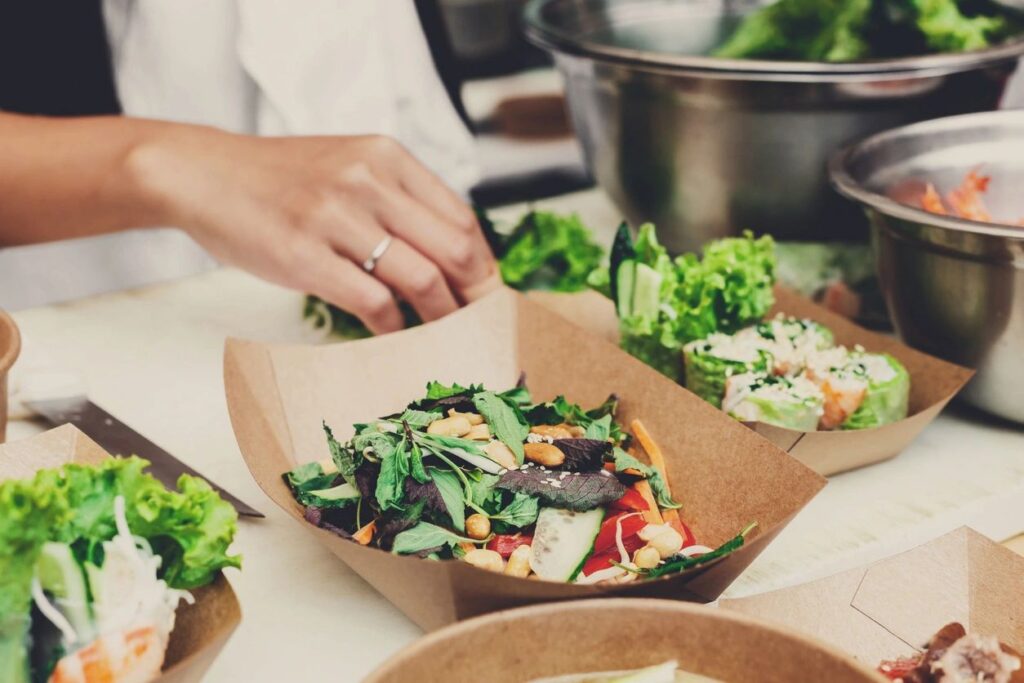
Real, minimally processed foods provide nutrients your body uses to function, heal, and protect itself over time. Increasing them—even slightly—can support digestion, energy levels, and overall metabolic health.
Easy upgrades:
- Add berries or a banana to breakfast
- Toss a handful of greens into lunch or dinner
- Choose whole grains more often than refined ones
- Pair carbs with protein to stay fuller longer
This approach works because it’s sustainable. When people focus on addition rather than restriction, healthy eating feels less stressful—and more likely to last.
Small Changes, Real Results
The healthiest people aren’t perfect. They’re consistent.
Better sleep, daily movement, and one small nutrition upgrade don’t sound flashy—but together, they support nearly every system in the body. Over months and years, these habits can lower the risk of chronic disease, improve mental health, and help you feel more like yourself.
As 2026 approaches, consider skipping the extreme resolutions. Start with habits that fit into real life. Your future self will thank you.