
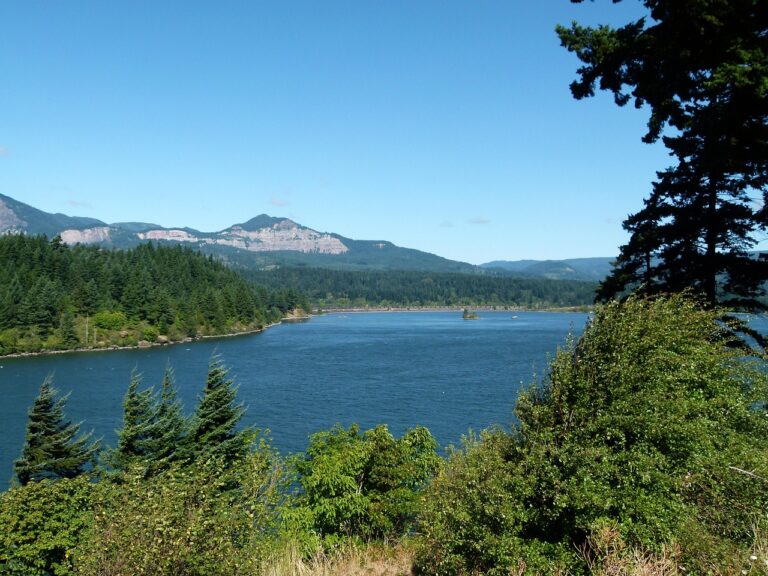
Rivers can look peaceful. Calm, even. On a hot summer day, the cool water can seem like the perfect escape.
But appearances can be deceiving. Every year, lives are lost in rivers across the U.S.—and many of those tragedies happen to people who had no idea they were in danger.
One place where the risks are painfully clear? Portland, Oregon. Each summer, multiple drownings occur in the city’s rivers, often in popular swimming spots. It’s a reminder that river swimming isn’t the same as swimming in a pool—and it comes with real risks that deserve respect.
Here’s how to protect yourself and your loved ones.
Rivers Are Unpredictable by Nature
Even when the surface looks calm, rivers can carry strong undercurrents, sudden drop-offs, and cold water temperatures that can catch swimmers off guard.
In and around Portland, spots like the Clackamas River, Willamette River, and Columbia River have seen recurring drownings over the years. These often involve strong swimmers who didn’t realize how quickly the river could change—or how fast they could be swept away.
What makes rivers especially dangerous:
- Fast-moving currents below the surface
- Steep underwater drop-offs
- Debris like branches, rocks, and logs
- Cold water shock, even on hot days
Many drownings happen just feet from shore, and they happen fast—in less than a minute.
Alcohol and Overconfidence Play a Deadly Role
In many cases, drownings involve alcohol. It slows reaction time, reduces coordination, and increases risk-taking behavior. That’s a dangerous mix in any body of water—especially one that can change from calm to chaotic in seconds.
Others overestimate their swimming ability or assume that if they’re close to shore, they’re safe.
In Portland and beyond, these mistakes have led to heartbreak that could have been prevented.
How to Stay Safe When Swimming in Rivers
1. Wear a life jacket—even if you’re a good swimmer.
Life jackets are not just for boats. In rivers, they can mean the difference between life and death, especially in strong currents or cold water.
2. Avoid alcohol before and during swimming.
Even one or two drinks can impair your judgment and reaction time.
3. Check the area before getting in.
Look for warning signs, rocks, debris, or signs of fast-moving water. If the current looks strong or the water seems unusually cold, don’t swim.
4. Never swim alone.
Always swim with others, and make sure at least one person is on land, watching.
5. Watch kids constantly.
Drownings happen silently. Young swimmers should wear properly fitted life jackets and stay within arm’s reach of an adult.
Portland’s Tragedies Offer Lessons for Us All
Over the years, headlines out of Portland have told the same story too many times:
- A teen dives into a river to cool off and disappears.
- A group floats together, and one never makes it back.
- A bystander goes in to help someone else and drowns.
It doesn’t only happen in Portland—but the city’s experience is a powerful example of what’s at stake when we don’t take river safety seriously.
What This Means for You
Wherever you live, river safety comes down to preparation, awareness, and respect for nature.
Swimming in rivers is not the same as swimming in a pool. The water moves. The floor changes. The temperature can shock your body. And help may be far away.
But with the right precautions—a life jacket, a buddy, sober decisions, and a little planning—you can enjoy a refreshing swim and make it home safely.
This summer, stay cool. Stay smart. And never underestimate a river.