
Spoiler: Sometimes, soap still wins
Hand sanitizer has become a permanent fixture in purses, pockets, and public spaces. But when it comes to staying healthy, is hand sanitizer really as effective as washing your hands?
Here’s what the science says—and when to choose one over the other.
How Germs Spread on Hands
Our hands touch everything—elevator buttons, phones, doorknobs, and more. Germs like bacteria and viruses (including cold, flu, and COVID-19) can transfer to your body when you touch your face.
That’s why clean hands are one of the most important defenses against infection.
🧴 Hand Sanitizer: Fast and Convenient
Alcohol-based hand sanitizers (at least 60% alcohol) can kill many germs, especially viruses like COVID-19. They’re great when you’re on the go and don’t have access to soap and water.
Use sanitizer when:
- You’re out shopping or commuting
- After touching high-touch surfaces
- Before eating if there’s no sink nearby
But sanitizer doesn’t remove dirt or chemicals—and it doesn’t kill everything.
🧼 Handwashing: Still the Gold Standard
Washing with soap and water for 20 seconds is more effective for removing:
- Dirt and grease
- Pesticides and chemicals
- Certain bacteria like Clostridioides difficile
- Norovirus, which causes stomach flu
Use soap and water after:
- Using the bathroom
- Handling food or raw meat
- Gardening or touching animals
- Blowing your nose or coughing into your hands
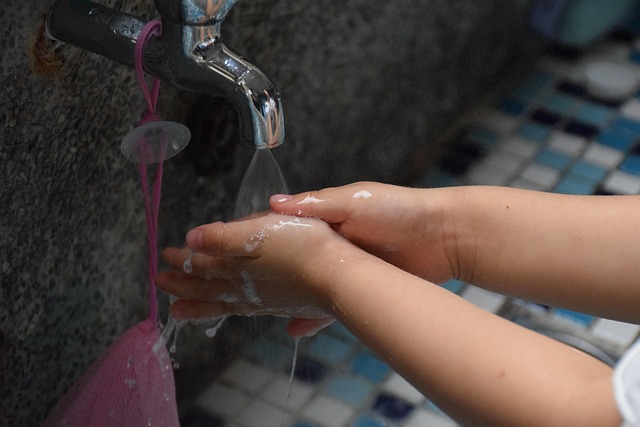
🧽 How to Wash Properly
- Wet hands with clean water
- Lather with soap—don’t skip the backs, nails, or between fingers
- Scrub for at least 20 seconds (hum “Happy Birthday” twice)
- Rinse and dry with a clean towel or air dry
The Bottom Line
Both handwashing and sanitizer are great tools—when used at the right time. For visibly dirty hands or after high-risk activities, soap is still your best bet. For everything else, keep that pocket sanitizer handy.