
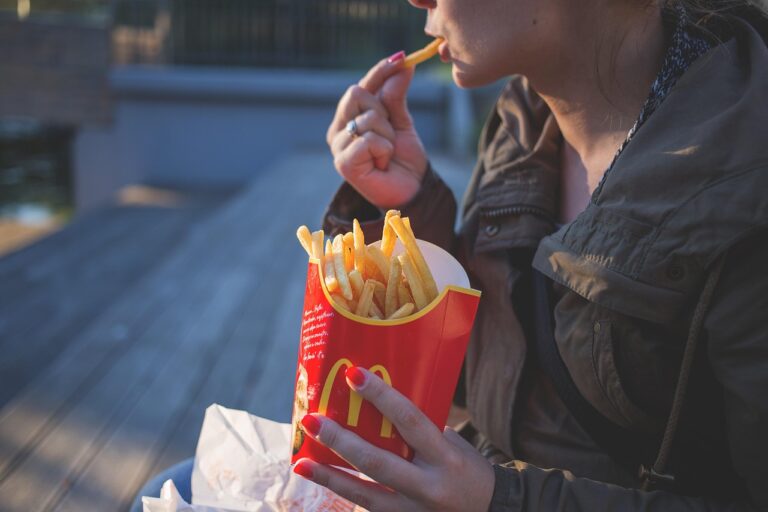
When a migraine hits, most people reach for medication, a cold compress, or a dark room. But according to social media, there’s another surprising remedy making waves — the so-called “McMigraine meal”: a combination of McDonald’s fries and an ice-cold Coca-Cola.
The idea sounds odd but oddly specific — and for many TikTok users, it supposedly works. Videos featuring this fast-food fix have gone viral, with sufferers claiming their pounding headaches eased within minutes of sipping the soda and munching on fries.
But is there any science behind this salty, fizzy trend, or is it just a placebo in a paper cup? Doctors say the answer lies somewhere in between.
What Exactly Is the “McMigraine Meal”?
The “McMigraine meal” isn’t an official McDonald’s menu item — it’s a DIY migraine hack that involves pairing a regular or large Coca-Cola (sometimes with extra ice) with a serving of salty fries.
People online swear by the combo, insisting it delivers fast relief from migraine pain, dizziness, or nausea. Some say the caffeine in Coke gives their brain a jolt, while the salty fries help balance electrolytes after dehydration or skipped meals — both common migraine triggers.
The idea first gained traction earlier this year when content creators began posting under hashtags like #McMigraineMeal and #MigraineHack, racking up millions of views. But while the anecdotal buzz is real, scientific backing remains slim.
The Science Behind the Claims: Caffeine, Salt, and Sugar
Experts point out that there’s a kernel of truth behind the trend’s appeal. Migraines are complex neurological events influenced by blood vessel changes, brain chemistry, hydration, and diet — and the McDonald’s combo happens to check a few relevant boxes.
Caffeine’s role.
Caffeine is a well-known ingredient in many migraine medications, including Excedrin. It works by constricting blood vessels and enhancing the effects of pain relievers like acetaminophen or aspirin. A small amount can reduce headache severity — but too much or regular overuse can trigger “rebound” headaches.
A standard McDonald’s Coke contains roughly 30–45 milligrams of caffeine, a modest amount that could plausibly offer mild relief.
Salt and hydration.
Migraines are often tied to dehydration or electrolyte imbalance. The fries’ sodium, paired with the fluid from the soda, may help replenish lost electrolytes, especially if a migraine is linked to skipped meals or heat exposure. In short: salt and sugar encourage fluid retention and rehydration — at least temporarily.
Glucose and comfort.
For those whose headaches stem from low blood sugar, the quick carbohydrates in fries and soda might raise glucose levels just enough to help. Plus, eating familiar comfort food can stimulate dopamine, the brain’s “feel-good” neurotransmitter, potentially reducing stress-related tension.
So while there’s no peer-reviewed study on the McMigraine meal specifically, its ingredients overlap with some mechanisms known to influence migraine symptoms.
Why It’s Not a Magic Fix — and Could Backfire
Despite its popularity, health experts caution that a McDonald’s run isn’t a cure-all. In fact, relying on the McMigraine meal too often could make symptoms worse over time.
Individual triggers vary.
Migraines differ from person to person — what soothes one sufferer can inflame another’s pain. For example, caffeine can relieve pain for some but trigger headaches in people sensitive to stimulants. Likewise, excess sugar or salt can cause dehydration rebound once the effect wears off.
Nutritional downsides.
A large order of fries and soda contains high amounts of sodium, saturated fat, and refined sugar. Occasional indulgence isn’t harmful, but repeated consumption may contribute to weight gain, high blood pressure, or insulin resistance, which are linked to worsening headache patterns.
Delay of proper care.
Experts warn that quick “hacks” can also mask underlying issues. If you’re having frequent or severe migraines, skipping medical consultation in favor of fast-food fixes can delay diagnosis of treatable causes like hormonal fluctuations, medication overuse, or sleep disorders.
In other words, the McMigraine meal may bring momentary comfort, but it’s not a replacement for professional evaluation or long-term management.
What Doctors Recommend for Real Migraine Relief
Rather than relying on viral shortcuts, doctors recommend evidence-based strategies that can genuinely reduce migraine frequency and severity:
- Stay hydrated. Aim for steady water intake throughout the day; dehydration is a major trigger.
- Eat regular, balanced meals. Avoid long fasting periods that drop blood sugar levels.
- Track triggers. Common culprits include stress, bright lights, alcohol, processed meats, aged cheese, and hormonal changes.
- Manage caffeine wisely. One cup of coffee or soda occasionally may help — but avoid daily dependence.
- Get enough sleep. Maintain a consistent schedule; too little or too much sleep can prompt an attack.
- Consult a doctor. If migraines strike more than four times a month or disrupt daily life, discuss options like preventive medications or supplements (e.g., magnesium or riboflavin).
That said, doctors don’t dismiss comfort foods entirely. The ritual of grabbing fries and soda might help someone calm down, rehydrate, and feel momentarily in control — all of which can ease migraine intensity indirectly.
So if the occasional McDonald’s visit brings comfort during a rough migraine, there’s no harm in enjoying it — just don’t let it replace real treatment.
Bottom Line: Treat the Cause, Not the Craving
The “McMigraine meal” — McDonald’s fries and a Coca-Cola — may have a pinch of science and a big dose of placebo working in its favor. The caffeine, carbs, and salt can provide short-term relief for some, but they won’t address the neurological and biochemical roots of migraine disorder.
Still, the viral trend highlights an important truth: people are searching for accessible, fast relief in moments of pain. And if that starts a broader conversation about understanding migraines and managing them with both medical and lifestyle tools, maybe that’s not such a bad takeaway.