Why acting now can safeguard your hearing for decades to come
Hearing loss isn’t just something that happens in old age anymore. Increasingly, Gen Xers and Millennials are experiencing early signs of hearing damage due to lifestyle habits, occupational noise, and everyday exposures we often overlook. Experts agree: hearing protection is no longer optional—it’s urgent.
Recent statistics from the Hearing Loss Association of America (HLAA) reveal that nearly one in five adults in the U.S. ages 20–39 already shows measurable hearing loss, and rates climb sharply for adults in their 40s. Worldwide, the World Health Organization estimates that over 1.5 billion people will experience some degree of hearing loss by 2050 if current trends continue. This isn’t a distant problem—it’s happening now, and it’s cumulative.
The good news? With timely awareness and protective measures, much of this risk is preventable. Here’s what you need to know—and why you should act today.
Noise Isn’t Just for the Loud—It Adds Up
We often associate hearing loss with extreme events, like explosions or prolonged exposure to industrial machinery. But everyday noise—from headphones to urban life—adds up.
- Earbuds and headphones are particularly risky because they deliver sound directly into the ear canal. Listening at high volumes, even for short periods, can damage sensitive hair cells in the inner ear.
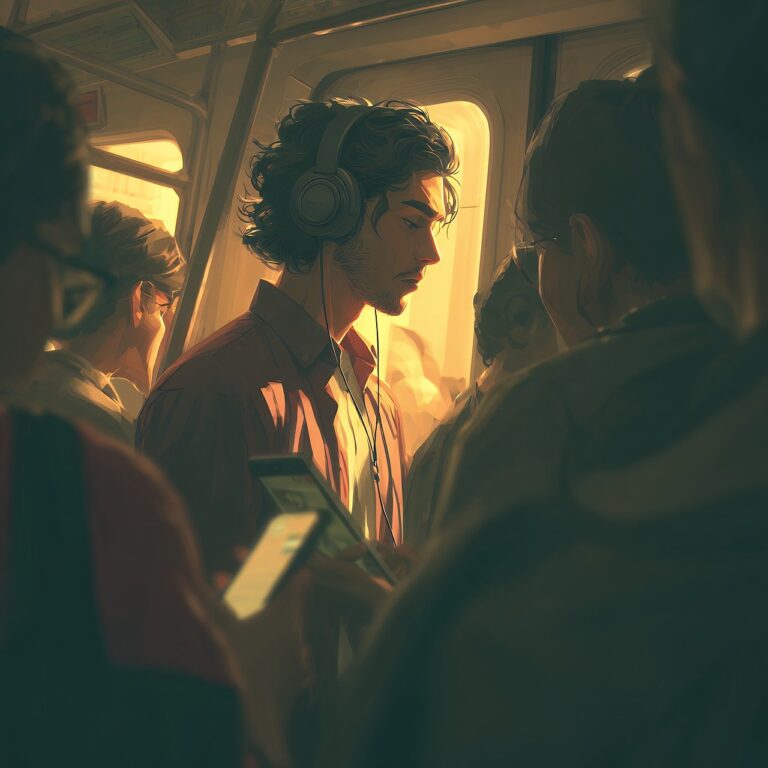
- Daily environmental noise—traffic, crowded offices, and public transit—can contribute to gradual hearing degradation. What feels like “background hum” actually matters over time.
For Gen X and Millennials juggling work, social life, and commuting, the cumulative exposure can be substantial, often going unnoticed until damage is permanent.
Numbers That Make It Real
Statistics underscore the urgency of taking hearing protection seriously:
- According to HLAA, roughly 48 million Americans already experience some degree of hearing loss.
- Among younger adults (ages 20–39), 19% have measurable hearing loss, largely linked to prolonged exposure to personal audio devices and loud environments.
- Experts warn that hearing loss is projected to affect over 1.5 billion people worldwide by 2050, largely due to lifestyle factors.
Even mild hearing loss isn’t trivial. Studies show that untreated hearing loss can accelerate cognitive decline, contribute to social isolation, and affect mental health. For professionals and parents alike, protecting hearing now is a preventive strategy for overall well-being.
Four Everyday Risks That Hit Gen X & Millennials
Hearing loss often sneaks up gradually, but there are four common sources of risk:
- Earbuds and personal audio – The closer the speaker is to the eardrum, the higher the risk. Listening at full volume for more than an hour per day can damage auditory hair cells permanently.
- Concerts and live events – Music venues, bars, and festivals often exceed 100 decibels, well above safe thresholds. Even short exposure without ear protection can have cumulative effects.
- Workplace and ambient noise – Power tools, machinery, office chatter, and urban environments may seem harmless but contribute to long-term strain. Consistent exposure over years can accelerate hearing decline.
- Irreversible damage over time – Once inner ear hair cells are damaged, they do not regenerate. Early protective action is the only way to preserve long-term hearing health.
Warning Signs You Shouldn’t Ignore
Even mild hearing loss can be subtle. Watch for these signs:
- Tinnitus – a persistent ringing or buzzing in the ears.
- Muffled speech or TV/audio volume creep – needing to increase volume over time.
- Difficulty following conversations in background noise – asking people to repeat themselves more frequently.
If you notice any of these signs, schedule a baseline hearing test. Early detection allows for timely intervention and lifestyle adjustments, slowing progression and preserving quality of life.
Practical Steps to Protect Your Hearing Now
Protecting your hearing doesn’t require radical lifestyle changes—it’s about smart, consistent habits:
- Follow the 60/60 rule – listen to personal audio devices at no more than 60% volume for 60 minutes at a time.
- Use over-ear or noise-canceling headphones – these reduce the need to increase volume in noisy environments.
- Wear earplugs in high-decibel settings – concerts, clubs, and industrial workplaces all benefit from quality ear protection. Custom-fit options are available for frequent users.
- Take “quiet breaks” – step away from noise for 5–10 minutes throughout your day.
- Schedule regular hearing checks – early monitoring can catch minor changes before they become permanent.
Incorporating even a few of these strategies can dramatically reduce risk over time. Hearing protection is not just about avoiding discomfort today—it’s an investment in your future self.
A Long-Term Investment in Your Hearing Health
Taking hearing protection seriously now helps preserve more than just your ability to enjoy music or conversations. Research shows that untreated hearing loss can contribute to social isolation, depression, and cognitive decline. By protecting your hearing today, you’re safeguarding your social, emotional, and professional well-being for decades to come.
Building habits like volume moderation, earplug use, and regular monitoring may feel small, but their impact compounds over years. The message is clear: don’t delay. Gen X and Millennials are at rising risk, and proactive measures can prevent avoidable loss.
Your ears are the gateway to your world—treat them like the precious instruments they are.