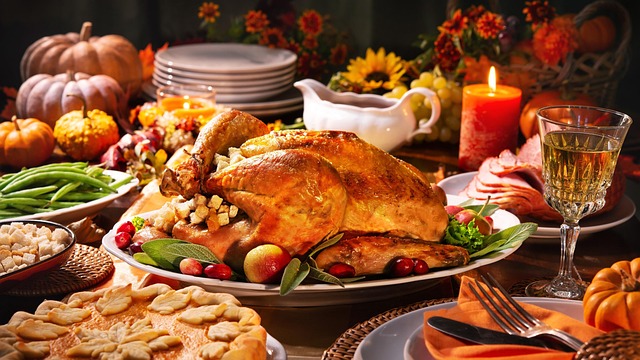
Thanksgiving dinner is one of America’s most beloved traditions — the gathering, the gratitude, the abundance of food. But after the plates are cleared and the last bite of pie disappears, many of us feel the same thing: that unmistakable post-meal drowsiness that hits harder than a food coma meme.
So, what’s really going on in your body when you can barely keep your eyes open after dinner? Spoiler alert: it’s not just the turkey.
The Myth of the Turkey Sleep Effect
For years, turkey has taken the blame for our post-Thanksgiving naps, thanks to its content of tryptophan, an amino acid the body uses to produce serotonin and melatonin — both linked to relaxation and sleep.
But here’s the catch:
- Turkey isn’t unusually high in tryptophan. Chicken, pork, and cheese have similar amounts.
- Tryptophan doesn’t work alone. It needs the right conditions to trigger drowsiness — specifically, when consumed with carbohydrates that help it cross the blood-brain barrier.
In short, while turkey contains tryptophan, it’s your whole meal — not one food — that sends you searching for the couch.
What’s Really Behind the Thanksgiving Crash
There are several physiological reasons why that big holiday feast leaves you sluggish.
1. Your Body Shifts Into Digest Mode
After a large meal, your body redirects blood flow to your digestive tract to handle the influx of food. That means less oxygen-rich blood is available for other systems, including your brain, leading to that sleepy, foggy feeling.
- Larger meals = more digestive work
- Fat-heavy dishes (gravy, stuffing, buttered rolls) slow down digestion even more
- Alcohol adds another layer of fatigue as it depresses the central nervous system
2. Carbs Are the Real Culprit
Mashed potatoes, sweet potato casserole, rolls, stuffing, pie — Thanksgiving is a carb lover’s dream. All those carbohydrates cause a spike in blood sugar, followed by a rapid dip.
That blood sugar rollercoaster triggers fatigue, brain fog, and sometimes even irritability.
3. You’re Overstimulated and Underslept
Between cooking, traveling, hosting, and socializing, Thanksgiving can be physically and mentally draining. The combination of stress and excitement — followed by the sudden calm after dinner — often makes your body crash.
The Hormonal Connection
Eating a large, carb-heavy meal triggers the release of insulin, which helps move glucose into your cells for energy. This spike in insulin also alters the levels of other amino acids in your blood, making it easier for tryptophan to reach your brain.
Once there, tryptophan is converted into serotonin (which boosts mood) and later melatonin (which promotes sleep). So yes, turkey plays a role — but it’s the carb-heavy, calorie-rich environment that truly flips the “nap” switch.
How to Enjoy Thanksgiving Without the Food Coma
You don’t need to skip dessert or swear off stuffing to avoid feeling miserable after dinner. A few small adjustments can make a big difference:
- Eat slowly and pace yourself. Give your brain time to register fullness — it takes about 20 minutes.
- Balance your plate. Include lean protein, colorful vegetables, and moderate carbs.
- Stay hydrated. Water aids digestion and keeps you alert.
- Take a walk after dinner. Even 10–15 minutes of light movement can help regulate blood sugar and fight fatigue.
- Go easy on alcohol. A glass of wine with dinner is fine; multiple rounds can amplify sleepiness.
Why the Nap Feels So Good
Interestingly, there’s nothing inherently wrong with giving in to your post-meal fatigue. Resting after a big meal helps your body focus energy on digestion.
Short naps — under 30 minutes — can even enhance memory and reduce stress. Just avoid falling into a multi-hour snooze that leaves you groggy or interferes with nighttime sleep.
The Bottom Line
Thanksgiving drowsiness isn’t a sign of weakness or gluttony — it’s a normal biological response to a rich, heavy, and celebratory meal. The combination of carbs, fat, alcohol, and relaxation creates the perfect storm for post-feast fatigue.
So go easy on the turkey myth. Enjoy your plate, pace yourself, and if you find yourself reaching for a blanket after dinner — you’ve simply experienced one of the oldest and most universal holiday traditions: the Thanksgiving nap.