Forget miracle supplements. Those aren’t the answer.
So says Dr. Peter Attia, who believes and teaches that the real longevity drug is discipline. In his 60 Minutes interview, the leading voice in “Medicine 3.0” argues that the path to a longer, healthier life starts with serious training. His prescription? Build strength, boost your VO₂ max, and treat aging like a sport you intend to win. Here’s how his no-nonsense approach can help you thrive well past your so-called “marginal decade.”
The Marginal Decade: What You Do Now Shapes How You Age
Dr. Attia calls it the marginal decade—the last ten or so years of your life when physical and cognitive decline often accelerate. His question isn’t if that decade will come, but what condition you’ll be in when it does.
“Most people hit a cliff around age 75,” he told 60 Minutes. “Our goal isn’t to eliminate that decade—but to make it the best one possible.”
That means treating your body today as the foundation for how you’ll live tomorrow. The muscles you build, the oxygen you train your body to use efficiently, and the habits you create in your 40s, 50s, and 60s will determine whether your final years are defined by vitality—or fragility.
The Core of Medicine 3.0: Train, Don’t Just Treat
Attia’s philosophy—what he calls Medicine 3.0—moves beyond managing disease to training for longevity. Traditional medicine waits for problems to appear. Attia’s model works to prevent them decades in advance.
He believes the best predictors of a long, healthy life aren’t lab results, but performance metrics:
- VO₂ max (your body’s ability to use oxygen efficiently)
- Muscle mass and strength
- Mobility and balance
Those, he says, are the “true vital signs” of aging well.
1. Build a Bigger Engine: Cardiorespiratory Fitness
VO₂ max is the measure of how much oxygen your body can use during intense exercise—and it’s one of the strongest indicators of longevity ever studied. In simple terms, it’s the size of your engine.
Attia points out that improving aerobic fitness is like compounding interest for your health: a small increase now pays exponential dividends later. He recommends interval and endurance training that pushes you beyond comfort, not just daily walks.
“Fitness is the ultimate hedge against aging,” he says.
2. Lift Heavy, Live Light: The Power of Muscle
Muscle isn’t vanity—it’s vitality. As we age, losing muscle mass (sarcopenia) directly impacts independence, balance, and even lifespan. Attia argues that strength training should be treated like medicine: specific, consistent, and prescribed.
He advises focusing on the fundamentals—squats, deadlifts, presses, and pulls—and tracking your progress like a patient would monitor blood pressure. Strong legs and grip strength, in particular, are proven predictors of healthy aging.
3. Move Well, Age Well: The Mobility Equation
Longevity isn’t just about lifting or running—it’s about moving well. Attia uses functional movement screens to assess how patients sit, stand, reach, carry, and recover.
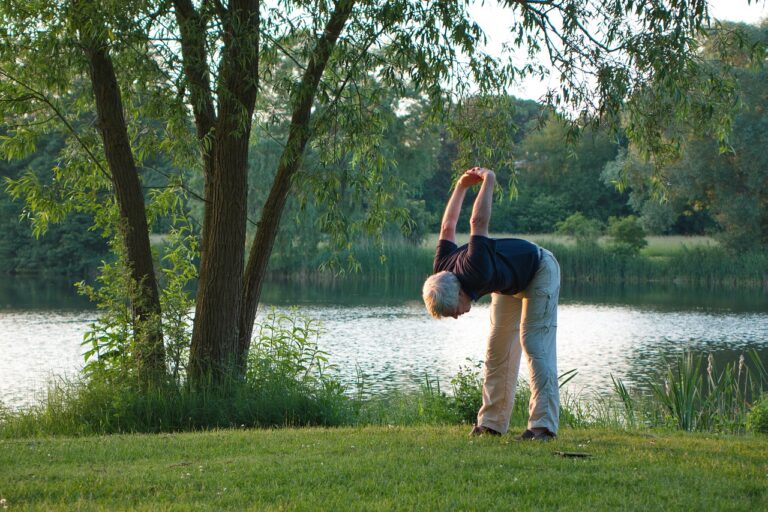
Mobility is the unsung hero of health span. It keeps joints healthy, reduces injury, and maintains independence. Yoga, Pilates, dynamic stretching, and everyday movement are just as essential as gym sessions.
If you can squat down to play with your grandkids at 80—and get back up easily—you’ve already won.
4. Prevention Is Power: Screen Smarter
Medicine 3.0 also emphasizes early and personalized screening. Attia advocates for DEXA scans to track muscle, bone, and fat composition, and even advanced imaging when risk factors suggest it.
The goal isn’t to overtest—it’s to understand your baseline before disease takes root. “Once symptoms appear,” he warns, “it’s already late in the game.”
5. The Emotional Edge: Purpose and Connection
Attia doesn’t stop at the physical. Longevity, he says, is equally emotional. Relationships, therapy, and a sense of purpose are as protective as diet and exercise.
He’s open about his own journey through therapy, admitting that emotional fitness often requires the same rigor as physical training. “You can’t out-train a lonely life,” he reminds us.
Your Action Plan for Long Life Training
You don’t need to overhaul your entire life to follow Attia’s advice—just start building these habits now:
- Train your heart: Add interval workouts to improve VO₂ max.
- Train your muscles: Strength train at least twice a week.
- Move daily: Walk, stretch, play—keep joints and coordination alive.
- Track your progress: Measure strength, endurance, and body composition.
- Get proactive screenings: Talk to your doctor about preventive imaging and metabolic health.
- Feed your future: Prioritize protein, whole foods, and hydration.
- Nurture your mind: Build relationships, manage stress, and find purpose.
It’s not about perfection—it’s about momentum.
Why This Approach Works
Attia’s philosophy resonates because it reframes longevity as something you earn. There’s no magic pill, no shortcut, no biohack more powerful than consistent training.
His approach demands effort—but it delivers freedom. The freedom to hike mountains in your seventies, play with your grandkids without fear, and live your final decade on your own terms.
When you train like your life depends on it—it actually does.
Final Takeaway
Dr. Peter Attia isn’t selling youth in a bottle. He’s offering something far better: control. His longevity blueprint replaces hype with habit, and excuses with evidence.
You don’t have to be an athlete—you just have to act like one when it comes to your health. Build strength. Move with purpose. Train for life.
Because the greatest investment you’ll ever make isn’t in supplements or surgeries—it’s in the muscle, motion, and mindset you build today.