A new blood pressure medication recall raises safety concerns
If you take medication for high blood pressure, now’s the time to double-check your prescription label.
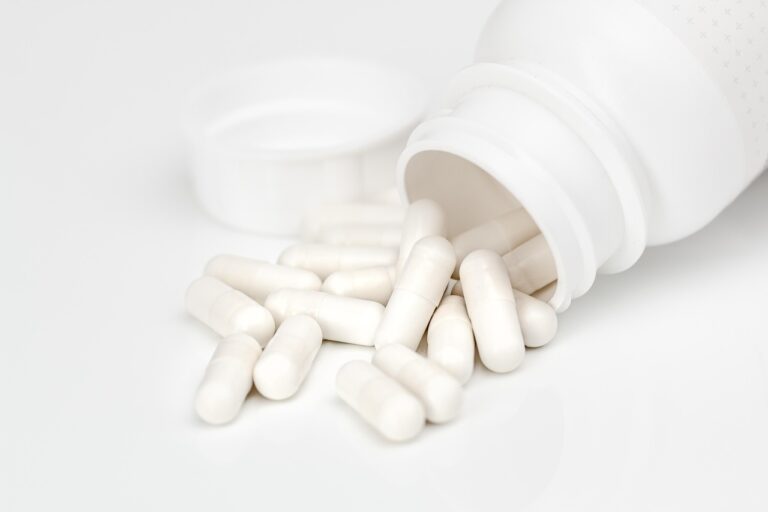
More than half a million bottles of prazosin hydrochloride, a common blood pressure drug distributed by Teva Pharmaceuticals, are being voluntarily recalled after tests found elevated levels of a cancer-linked impurity.
According to notices shared by the U.S. Food and Drug Administration (FDA) and reported by KGW, CBS News, and the Associated Press, the recall affects 1 mg, 2 mg, and 5 mg capsules of the drug. The impurity, known as a nitrosamine (N-nitroso-prazosin impurity C), can increase the risk of cancer if people are exposed to it at high levels over long periods of time.
Why the recall happened
The recall stems from routine quality testing that detected nitrosamine levels above FDA’s acceptable limits in certain production lots of prazosin hydrochloride.
Nitrosamines are chemical compounds that can form during manufacturing or storage when specific conditions—like heat, humidity, or chemical reactions—occur. While they’re found at low levels in food and water, consistent exposure above safety thresholds can pose a health risk.
Teva announced that roughly 580,000 bottles are affected, all manufactured in 2023 and 2024, and distributed nationwide to pharmacies, distributors, and health-care providers. So far, no adverse events have been reported, but the company initiated the recall out of an abundance of caution.
The FDA classifies this as a Class II recall—meaning that use of the product may cause temporary or medically reversible health consequences, but serious harm is unlikely.
Who is affected and what the drug is used for
Prazosin hydrochloride is a long-used medication that helps relax blood vessels, lowering blood pressure and improving blood flow. Doctors also sometimes prescribe it off-label to help veterans or trauma survivors with PTSD-related nightmares.
The recall involves bottles labeled with the Teva or Qualitest brands in the following strengths:
- Prazosin HCl 1 mg capsules
- Prazosin HCl 2 mg capsules
- Prazosin HCl 5 mg capsules
Consumers can check the lot numbers and expiration dates listed on the bottle or pharmacy label. The full list of affected lots is posted on FDA.gov under the “Recalls, Market Withdrawals, & Safety Alerts” section.
If you can’t find your lot number, your pharmacist can check it for you.
What this means for patients right now
If you currently take prazosin hydrochloride, don’t stop taking it abruptly without talking to your doctor or pharmacist.
Stopping suddenly can cause a dangerous spike in blood pressure or worsen PTSD-related symptoms. Instead:
- Check the lot number on your medication bottle.
- Compare it with the list on FDA’s recall notice or ask your pharmacy to verify.
- If your lot is affected, contact your pharmacist—they can arrange a replacement or refund and guide you on the next steps.
- If you experience unusual symptoms or side effects, contact your healthcare provider right away.
The FDA notes that this recall is precautionary. While the risk of harm from short-term exposure is very low, the agency continues to monitor nitrosamine levels to ensure they stay below established safety thresholds.
Understanding nitrosamine impurities
This isn’t the first time nitrosamine impurities have prompted recalls. In recent years, medications such as valsartan, losartan, and metformin have faced similar quality-control issues.
Nitrosamines can form when specific manufacturing chemicals interact or when medications are stored for long periods under certain conditions.
To manage this risk, the FDA has set strict acceptable daily intake (ADI) limits—usually measured in nanograms (billionths of a gram). Pharmaceutical companies must routinely test for these compounds and take action when limits are exceeded.
Experts emphasize that recalls like this show the safety system is working: manufacturers, regulators, and testing labs are catching potential problems before they reach the point of widespread harm.
Why you shouldn’t panic
Hearing the words “cancer-causing chemical” can sound frightening, but context matters.
Nitrosamines exist naturally in trace amounts in bacon, beer, and even drinking water. The recall only affects batches where the concentration exceeded FDA’s conservative safety margins.
For patients, the biggest immediate danger is uncontrolled blood pressure—not the impurity itself. Hypertension is a leading cause of heart attack, stroke, and kidney disease. That’s why doctors recommend continuing medication until you have a verified replacement in hand.
If your medication is recalled, your pharmacist or doctor can provide an equivalent generic or an alternative treatment plan tailored to your condition.
How to stay safe with medication recalls
To stay informed and proactive:
- Sign up for FDA recall alerts: Visit fda.gov/safety/recalls and subscribe to receive notifications.
- Store medications properly: Keep bottles in a cool, dry place away from direct sunlight and moisture.
- Review medications regularly: At your next checkup, ask your doctor or pharmacist to review your prescriptions and ensure none are part of recent recalls.
- Don’t rely on social media posts: Always confirm recalls through official FDA or manufacturer websites.
Staying calm and verifying information directly from trusted sources helps you make sound health decisions.
The bigger picture
Drug recalls are unsettling but also a sign that oversight is doing its job.
As manufacturing grows more global and complex, regulators have become more transparent in detecting and reporting potential impurities. The goal isn’t to alarm the public but to maintain long-term safety and trust in prescription medicines.
Medical experts stress that quality-control actions—like the prazosin hydrochloride recall—demonstrate that the monitoring process is functioning as intended.
For the millions of Americans managing blood pressure every day, the best takeaway is simple: stay alert, stay informed, and work closely with your healthcare provider.
Bottom line
If you take prazosin hydrochloride or another blood pressure medication, take a moment to check your bottle today.
Recalls like this are designed to protect you—not panic you. By verifying your lot number, consulting your pharmacist, and keeping your healthcare provider in the loop, you’ll stay both safe and on track with your treatment.