If you’ve ever glanced at your arms or legs and noticed veins that suddenly seem more prominent, you’re not alone. Bulging veins are a common part of life for many people — often harmless, but sometimes signaling an underlying circulation issue.
Understanding why veins bulge, and when to take it seriously, can help you stay proactive about your vascular health. Here’s what experts say about when to relax — and when to get checked.
Why Veins Bulge: The Everyday Causes
Most of the time, bulging veins have simple explanations. Your veins work tirelessly to carry blood back to the heart, and several normal factors can make them more visible.
1. Age and thinning skin
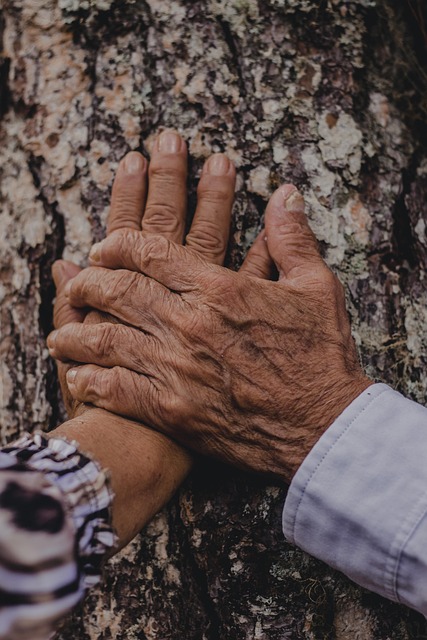
As we age, our skin loses elasticity and fat tissue — the natural padding that once covered our veins. At the same time, vein walls and valves weaken slightly, allowing veins to appear larger or more prominent, especially on the hands, arms, and legs.
2. Exercise and physical activity
If you’ve ever noticed “pumped” veins after a workout, that’s your circulatory system working as designed. Exercise increases blood flow and expands veins to deliver oxygen to muscles. This is typically a good sign of vascular efficiency, not a problem.
3. Heat and dehydration
Warm weather causes veins to expand to help cool the body, while dehydration can temporarily lower blood volume, making veins stand out. Once you rehydrate and cool down, they often return to normal.
4. Genetics and body composition
Some people are simply more prone to visible veins due to inherited traits or lower body fat levels. Having fair or thin skin can make veins appear more pronounced, too.
5. Temporary pressure or strain
Lifting heavy objects, standing for long periods, or even a tough yoga class can temporarily make veins bulge. Once pressure eases and circulation normalizes, they usually settle back.
When Bulging Veins May Signal a Problem
While visible veins are often just a cosmetic concern, certain changes can point to underlying vascular disease. Knowing what to watch for is key.
Varicose veins
Varicose veins are enlarged, twisted veins caused by weakened vein valves that allow blood to pool instead of flowing smoothly back to the heart. They’re most common in the legs but can also occur in the arms or hands.
Signs include:
- Veins that appear rope-like or swollen
- Aching, heaviness, or throbbing sensations
- Itching or skin discoloration around the vein
According to the Mayo Clinic, varicose veins may not always cause discomfort, but persistent pain, swelling, or skin changes can indicate chronic venous insufficiency, a condition that requires medical evaluation.
Venous insufficiency
This chronic condition happens when vein walls or valves don’t work efficiently, causing blood to pool. Over time, it can lead to swelling, cramping, or leg fatigue. Without care, it may progress to skin changes or ulcers.
Blood clots (Deep Vein Thrombosis – DVT)
If you experience sudden pain, redness, or warmth in one leg — especially if accompanied by swelling — seek medical attention immediately. A blood clot in a deep vein is a serious condition that can travel to the lungs if untreated.
Other contributing factors
Pregnancy, obesity, and prolonged inactivity can all increase strain on veins. Hormonal changes may also weaken vein walls, particularly in women. Even long flights or sitting for hours can temporarily affect circulation.
How Doctors Diagnose and Treat Vein Issues
If you’re concerned about your veins — especially if you notice new bulging, pain, or color changes — it’s worth getting evaluated.
A vein specialist or vascular doctor may perform a duplex ultrasound, a painless scan that assesses blood flow and valve function.
Treatment depends on the cause and severity:
- Lifestyle care: Regular exercise, leg elevation, hydration, and compression stockings can ease discomfort and improve circulation.
- Medical procedures: Minimally invasive options like sclerotherapy (injecting a solution to close damaged veins), laser therapy, or radiofrequency ablation can shrink or remove problem veins.
- Surgical approaches: For larger varicose veins, outpatient vein stripping or microphlebectomy may be recommended — though these are less common today.
The good news? Most vein treatments are safe, effective, and require little downtime.
How to Keep Your Veins Healthy at Any Age
Whether your veins are barely visible or starting to bulge, good habits go a long way in keeping your circulation strong.
1. Keep moving
Regular activity — even short walks — boosts circulation and strengthens vein walls. Avoid sitting or standing still for too long.
2. Stay hydrated
Proper hydration keeps blood volume balanced and prevents vein dilation from dehydration.
3. Elevate when you can
If your legs or hands feel tired, raise them above heart level for a few minutes to help blood flow back toward the heart.
4. Maintain a healthy weight
Carrying extra weight puts pressure on your veins and can worsen varicose symptoms.
5. Check in early
If you notice swelling, aching, or new color changes around your veins, don’t wait. Early evaluation can prevent complications and keep treatment simple.
A Healthy Perspective on Veins
Bulging veins often tell a story of life — movement, aging, strength, and vitality. In most cases, they’re nothing to worry about. But your body also uses them as signals: when something changes, it’s worth listening.
With regular movement, hydration, and awareness, you can support your veins — and your overall circulation — for years to come.