

Type 2 diabetes is a chronic condition that affects millions of people worldwide, with the majority of cases occurring in adults. While there is currently no cure, Type 2 diabetes can be effectively managed with thoughtful lifestyle choices, consistent monitoring, and support from healthcare providers. The goal is to keep blood sugar within a healthy range, reduce the risk of complications, and improve overall well-being. Fortunately, research shows that several practical strategies—from exercise and nutrition to intermittent fasting—can make a real difference in controlling diabetes and supporting heart and metabolic health.
1. Prioritize Light to Moderate Physical Activity
Regular physical activity is one of the most impactful ways to manage Type 2 diabetes. Exercise helps muscles absorb glucose more efficiently, which can lower blood sugar levels and improve insulin sensitivity. Even light to moderate activity, such as brisk walking, gentle cycling, or water aerobics, can be highly effective.
Experts recommend aiming for 150 minutes per week of moderate activity, spread across most days. Incorporating movement into daily routines—like taking the stairs, walking during breaks, or doing short stretching sessions—can also improve blood pressure, heart health, and overall circulation. Resistance training, like light weightlifting or resistance bands, further supports muscle strength and metabolism, both of which are crucial for managing diabetes over time.
2. Focus on a High-Fiber, High-Protein, Low-Sugar, Low-Carb Diet
Nutrition plays a central role in diabetes management. A diet rich in fiber—found in whole grains, vegetables, fruits, nuts, and seeds—slows digestion and helps regulate blood sugar spikes after meals. High-protein foods, such as lean meats, fish, eggs, and plant-based proteins like lentils and chickpeas, also help stabilize blood sugar while keeping you full longer.
Limiting added sugars and refined carbohydrates is equally important. Foods like white bread, pastries, sugary drinks, and sweets can cause rapid increases in blood sugar and insulin demand. Instead, prioritize complex carbohydrates, such as whole grains, quinoa, and sweet potatoes, which provide steady energy. Balanced meals that combine fiber, protein, and healthy fats—like olive oil or avocado—can help regulate blood sugar, support weight management, and even improve blood pressure.
Tips for Everyday Eating
- Fill half your plate with non-starchy vegetables.
- Include a source of protein at every meal.
- Choose whole grains over refined grains.
- Swap sugary drinks for water, unsweetened tea, or sparkling water.
3. Consider Intermittent Fasting or Meal Timing
For some people with Type 2 diabetes, intermittent fasting or structured meal timing may offer benefits. This involves limiting eating to specific windows—such as 8–10 hours during the day—or spacing meals to give the body extended periods without glucose spikes. Research suggests intermittent fasting can help improve insulin sensitivity, support weight management, and promote metabolic health.
However, it’s important to approach fasting carefully if you take diabetes medications or have a history of low blood sugar. Always consult a healthcare professional before making significant changes to meal timing.
4. Monitor Blood Sugar and Adjust Accordingly
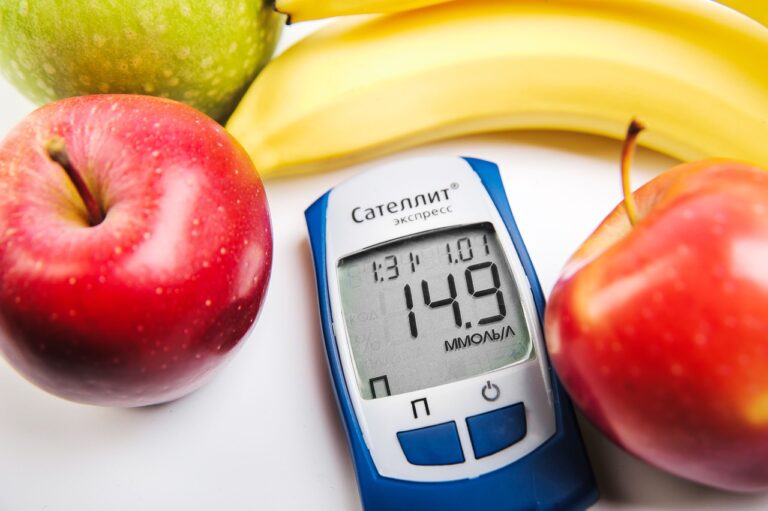
Regular monitoring of blood glucose is critical for understanding how your body responds to food, activity, and lifestyle changes. Self-monitoring can help identify patterns, such as which meals or activities spike blood sugar, allowing for informed adjustments.
Continuous glucose monitors (CGMs) are becoming more widely available and can provide real-time feedback, making it easier to maintain consistent levels. Pairing monitoring with lifestyle strategies like exercise and balanced nutrition ensures that small, sustainable adjustments have a meaningful impact over time.
5. Manage Stress and Prioritize Sleep
Stress and poor sleep can significantly affect blood sugar. Chronic stress releases hormones like cortisol, which can raise glucose levels and make insulin less effective. Incorporating stress-reducing techniques—such as meditation, yoga, deep breathing exercises, or simply taking quiet walks—can help maintain stable blood sugar.
Similarly, aim for 7–9 hours of quality sleep per night. Poor sleep can impair insulin sensitivity and make it harder to manage both blood sugar and weight. Establishing a consistent sleep routine, limiting caffeine late in the day, and creating a calming bedtime environment can all support better metabolic health.
6. Stay Hydrated and Limit Alcohol
Adequate hydration helps the kidneys flush out excess glucose and supports overall metabolic processes. Water should be the primary beverage, while alcohol should be consumed cautiously. Alcohol can lead to unpredictable changes in blood sugar and may interact with medications. If you choose to drink, do so in moderation and always with food.
7. Work Closely with Healthcare Providers
Effective diabetes management isn’t done in isolation. Regular check-ups with a primary care provider, endocrinologist, dietitian, or diabetes educator can help tailor strategies to your unique health profile. Medications may be necessary to help manage blood sugar, and combining them with lifestyle interventions often yields the best outcomes.
8. Build a Supportive Environment
Finally, surrounding yourself with support—whether from family, friends, or online diabetes communities—can make daily management easier. Sharing meal ideas, tracking progress together, and celebrating small victories fosters accountability and motivation.
Top Weight Loss Programs

Remedy Meds

Medvi

Hims

ShedRX