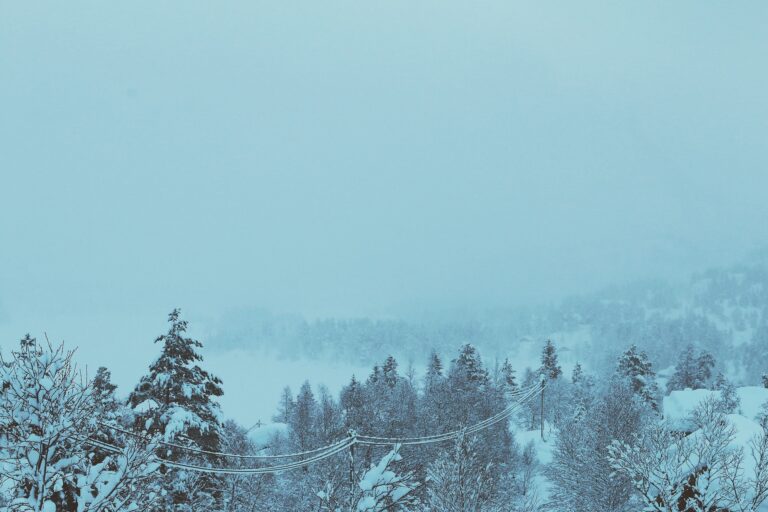
When the power goes out in the middle of winter, the temperature inside your home can drop faster than most people expect. And even when the cold doesn’t seem “extreme,” prolonged exposure can quietly become dangerous — especially for older adults, young children, and anyone with chronic health conditions.
Cold stress doesn’t just make you uncomfortable. It can exhaust the body, strain the heart, and raise the risk of hypothermia and frostbite. The scariest part? It often creeps up slowly, and people don’t always realize they’re in trouble until symptoms become serious.
Why Cold Power Outages Can Become a Health Emergency
A winter power outage can turn a normal home into a cold box. Without heat, indoor temperatures can eventually approach outdoor levels, especially in older homes, apartments with poor insulation, or places not designed for harsh winter weather.
The longer the outage lasts, the more the body has to work to stay warm. That extra effort can become dangerous for people with:
- High blood pressure
- Diabetes
- Heart disease
- COPD or asthma
- Poor circulation
- Mobility limitations
Cold exposure can also worsen dehydration, disrupt sleep, and increase the risk of falls and injuries — especially in dark homes with icy conditions outside.
The Early Signs of Hypothermia (Don’t Ignore These)
Hypothermia happens when your body loses heat faster than it can produce it, and your core temperature begins to drop.
Doctors diagnose hypothermia based on both temperature and symptoms, but you don’t need a thermometer to recognize early danger.
Mild hypothermia warning signs include:
- Shivering that continues for a long time
- Exhaustion or unusual tiredness
- Sleepiness
- Weak pulse
- Clumsiness or fumbling hands
If someone has been shivering for a long time, it’s time to move them to warmth and add protection immediately — before symptoms worsen.
Moderate to severe hypothermia warning signs include:
- Confusion
- Slurred speech
- Slowed heart rate
- Hallucinations
- Decreased shivering (a very bad sign)
As hypothermia progresses, the body can begin shutting down. Severe symptoms can include muscle stiffness, loss of reflexes, coma, and death.
If someone is confused, difficult to wake, or acting strangely during cold exposure, call 911.
The #1 Rule: Create a “Warm Room” and Stay In It
When the power is out, you may not be able to heat the entire home. Instead, focus on insulating one small room.
Pick a room that:
- Has the fewest windows
- Can be closed off with doors
- Is away from drafts
- Has space for everyone to sit or sleep safely
Then:
- Close doors to unused rooms
- Use towels or blankets to block drafts under doors
- Hang blankets over windows if needed
- Sit together in the same room (body heat helps)
Even without electricity, keeping your living space smaller can make a major difference.
Layer Up the Right Way (Warm + Dry Beats “Thick”)
People often underestimate how quickly they can lose heat indoors. A sweatshirt and sweatpants might feel fine at first — until they aren’t.
Layering is safer than relying on one heavy item.
What to wear:
- A lightweight base layer (dry, close to the skin)
- A warm middle layer (fleece, wool, sweatshirt)
- An outer layer if needed (jacket, blanket, sleeping bag)
A lot of heat escapes through the head, hands, and feet, so wear a hat indoors, thick socks, and gloves if needed.
Moisture is the enemy. Damp socks, wet clothing, or sweating under heavy blankets can cool your body quickly. Warmth should be steady, not sweaty.
Skip Alcohol (It Makes Cold Risk Worse)
Alcohol is one of the most overlooked dangers during cold power outages.
It can:
- Impair your body’s ability to respond to cold
- Make you feel warmer than you really are
- Reduce good judgment
In a cold power outage, alcohol increases risk rather than reducing stress.
If you want something warm, choose warm water, tea, broth, or decaf coffee.
Hydration Matters More Than You Think
Many people don’t realize they’re dehydrated in cold weather. And if you’re sitting near a fireplace or bundled in layers, dehydration can creep in even faster.
Hydration supports circulation and helps your body regulate temperature.
Aim for:
- Regular sips of water throughout the day
- Warm, nonalcoholic drinks when possible
If you’re rationing supplies, prioritize drinking water. Dehydration can make cold stress hit harder.
Prevent Frostbite: Don’t Let Extremities Go Numb
Frostbite can happen when skin and tissue freeze — usually in fingers, toes, ears, and the nose.
Even indoors, frostbite can become a risk if the home gets cold enough and someone has poor circulation.
Warning signs include:
- Numbness
- Tingling or burning
- Skin turning pale, gray, or waxy
- Skin feeling unusually hard
If you suspect frostbite:
- Warm the area slowly (not with hot water)
- Avoid rubbing the skin
- Seek medical help if severe or persistent
Use Heat Sources Safely (Carbon Monoxide Kills)
If you’re using alternative heat during an outage, safety matters as much as warmth.
Never use indoors:
- Charcoal grills
- Gas stoves for heating
- Outdoor propane heaters not rated for indoor use
- Generators inside a home, garage, or near windows
These can cause carbon monoxide poisoning, which can be fatal and may be mistaken for fatigue or sleepiness.
If you have a carbon monoxide detector, keep it on and check batteries.
Know Who Is Most at Risk
Some people are far more vulnerable during cold outages, including:
- Older adults
- Infants and young children
- People with diabetes or high blood pressure
- People with heart disease
- People with chronic lung disease (like COPD)
- Anyone living alone
In many emergencies, people don’t realize they need help until someone checks on them.
Check on Neighbors (This Saves Lives)
In long winter outages, community awareness is one of the strongest protections.
If you can do so safely, check on:
- Elderly neighbors
- People who live alone
- Anyone with known health issues
- Families with small children
A simple knock or phone call can prevent a medical emergency from becoming fatal.
When to Leave Your Home
Sometimes the safest choice is leaving — especially if the temperature inside drops too low or if someone is showing symptoms of hypothermia.
Consider going to:
- A warming shelter
- A friend or family member’s home
- A community center or emergency shelter
If roads are dangerous, call local emergency services for guidance rather than taking risks.
The Bottom Line
A winter power outage isn’t just inconvenient — it can become dangerous faster than people expect. Hypothermia can develop indoors, even at temperatures that don’t feel “extreme” at first.
Act early:
- Watch for hypothermia signs
- Create one warm room
- Layer up and stay dry
- Drink water and warm nonalcoholic fluids
- Avoid alcohol
- Use heat sources safely
- Check on neighbors and high-risk loved ones
And if someone becomes confused, stops shivering, or shows serious symptoms, call 911.