
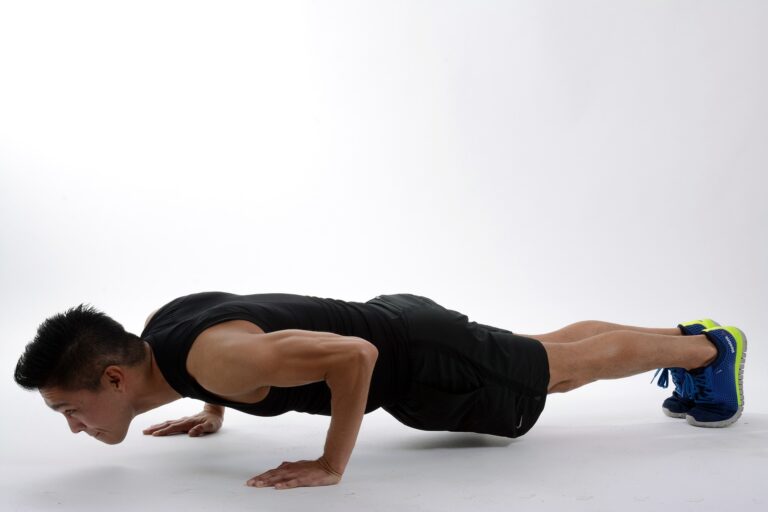
Calisthenics are having a moment again — and not just on TikTok.
Bodyweight workouts, once associated with gym class push-ups and military-style training, are being rediscovered by everyday people looking for something simpler, cheaper, and easier to stick with. You don’t need a gym membership. You don’t need fancy equipment. You don’t even need much space.
But the big question is the one a lot of people are quietly asking: Is body weight really enough to get a good workout?
The short answer is yes — for many people, calisthenics can be an excellent way to build strength, improve endurance, and support long-term health. The longer answer is a little more nuanced, especially if you’re trying to build serious muscle, train for performance, or you’re living with a chronic condition that limits movement.
Here’s what calisthenics can do, who it’s best for, and how to start without getting hurt.
What Exactly Is Calisthenics?
Calisthenics is strength training using your own bodyweight as resistance. Instead of lifting dumbbells or using machines, you’re pushing, pulling, squatting, and stabilizing your body through space.
Classic examples include:
- Push-ups
- Squats
- Lunges
- Planks
- Sit-ups and crunches
- Dips
- Pull-ups (if you have a bar)
More advanced calisthenics includes:
- Pistol squats
- Handstand push-ups
- Muscle-ups
- L-sits
- Human flags
In other words: calisthenics can be beginner-friendly, but it also has an extremely high skill ceiling.
Why Calisthenics Are Making a Comeback
In a lot of ways, the comeback makes sense.
It’s accessible
A bodyweight workout can be done:
- At home
- In a hotel room
- In a park
- In a small apartment
- With no equipment
That’s a major advantage in a world where time and money are real barriers to fitness.
It’s practical
Calisthenics tends to build strength that carries over into daily life: getting up off the floor, climbing stairs, lifting groceries, improving posture, and reducing stiffness.
It’s easier to stick with
A workout plan only works if you actually do it. Calisthenics removes a lot of friction:
- No gym commute
- No intimidation factor
- No equipment learning curve
- No waiting for machines
And for many people, that’s the difference between “I should work out” and “I worked out.”
Is Bodyweight Enough to Build Strength?
Yes — especially if you’re starting from scratch or returning after a long break. A push-up, squat, plank, or lunge can be challenging enough to create real strength gains, particularly in the first months of training.
But here’s the key detail:
Your muscles need progressive overload to keep improving. That means the workout needs to become harder over time. With weights, that’s easy: you add more weight.
With calisthenics, you increase difficulty by:
- Adding reps
- Slowing the tempo
- Increasing range of motion
- Changing leverage (harder variations)
- Adding pauses
- Reducing rest time
- Using one limb instead of two
For example:
- Wall push-ups → incline push-ups → knee push-ups → standard push-ups → decline push-ups
- Bodyweight squats → goblet squats (with a household item) → split squats → Bulgarian split squats → pistol squat progressions
This is why calisthenics can be “enough” for strength — as long as it evolves.
What Calisthenics Does Especially Well
Bodyweight training isn’t just “good enough.” It actually excels in a few areas.
1) Core strength and stability
Most calisthenics movements demand that your core stays engaged. Even basic exercises like push-ups and lunges train stability, not just muscle.
2) Joint-friendly movement (when done correctly)
Calisthenics can be gentler than heavy lifting for some people because you’re not loading the spine with a barbell or compressing joints with heavy weight. That said, bad form can still cause injury — especially in shoulders, wrists, knees, and lower back.
3) Mobility + strength together
Many calisthenics routines naturally include movement patterns that improve flexibility and control. If you’ve ever felt “tight” and weak at the same time, calisthenics can be a great reset.
4) Functional fitness
The ability to push, pull, squat, and stabilize is what keeps people independent as they age. And unlike a machine workout, calisthenics trains your body as a coordinated system.
What Calisthenics Doesn’t Do as Easily
Calisthenics is powerful, but it isn’t magic.
It’s harder to train pulling muscles without equipment
Push-ups are easy to do anywhere. Pull-ups are not. If you don’t have a pull-up bar or some safe way to do rows, you may end up with a push-heavy routine that neglects the back — which can contribute to shoulder issues over time. A simple doorway pull-up bar or resistance band can solve this problem.
It can be harder to build maximum muscle size
You can build muscle with calisthenics, especially in the chest, shoulders, arms, and legs. But if your goal is maximum hypertrophy (bodybuilding-style size), weights often make it more efficient — because you can precisely increase load.
It can be too advanced too fast
A lot of calisthenics content online jumps straight to:
- Handstands
- Muscle-ups
- Explosive movements
That’s where beginners get hurt. Calisthenics works best when it’s treated like a long-term practice, not a 7-day challenge.
A Simple Calisthenics Routine That Actually Works
If you want calisthenics to improve strength and health, the goal is balance: push, pull, legs, and core.
Here’s a simple full-body structure (no equipment required):
1) Push
- Wall push-ups or incline push-ups
- Standard push-ups (as you progress)
2) Legs
- Bodyweight squats
- Reverse lunges or step-backs
- Glute bridges
3) Core
- Plank
- Dead bug
- Side plank
4) Cardio finisher (optional)
- Marching in place
- Stair walking
- Low-impact jumping jacks
- Fast walking outdoors
You can do this routine 2–4 times per week, even in 15–25 minutes.
What If You Have COPD, Heart Disease, or Diabetes?
This is where Let’sTalkRX readers may need a more careful approach.
Calisthenics can still be a great option, but intensity matters.
For people with chronic conditions, bodyweight training can:
- Improve insulin sensitivity
- Support circulation
- Build strength for daily life
- Improve balance and fall prevention
- Support mental health and sleep
But it’s important to avoid:
- Breath-holding during exertion
- Overly intense “HIIT-style” circuits too early
- Exercises that aggravate joint pain or dizziness
A good rule of thumb is the “talk test”: you should be able to speak in short sentences during the workout. If you can’t, you’re probably pushing too hard.
If you’re unsure, it’s smart to check with your clinician — especially if you’ve had recent heart symptoms, breathing flare-ups, or you’re returning to exercise after a long break.
The Biggest Mistake People Make With Calisthenics
The biggest mistake isn’t choosing the “wrong” exercises. It’s doing too much, too soon — and then quitting. The best calisthenics plan is the one you can repeat consistently.
Start with:
- 10 minutes
- 2–3 days per week
- Simple movements
- Easy variations
- Longer rest breaks
Then build.
Calisthenics rewards patience. The progress is real, but it comes from steady repetition.
The Bottom Line
Yes, bodyweight workouts can absolutely be “enough” — and for many people, they’re one of the most sustainable and health-supportive ways to build strength.
Calisthenics is:
- Accessible
- Low-cost
- Scalable
- Effective
- Easy to do anywhere
If you keep it balanced, progress gradually, and focus on consistency, calisthenics can improve strength, mobility, and fitness without ever stepping into a gym.
And in 2026, that kind of simple, reliable workout might be exactly what more people need.