
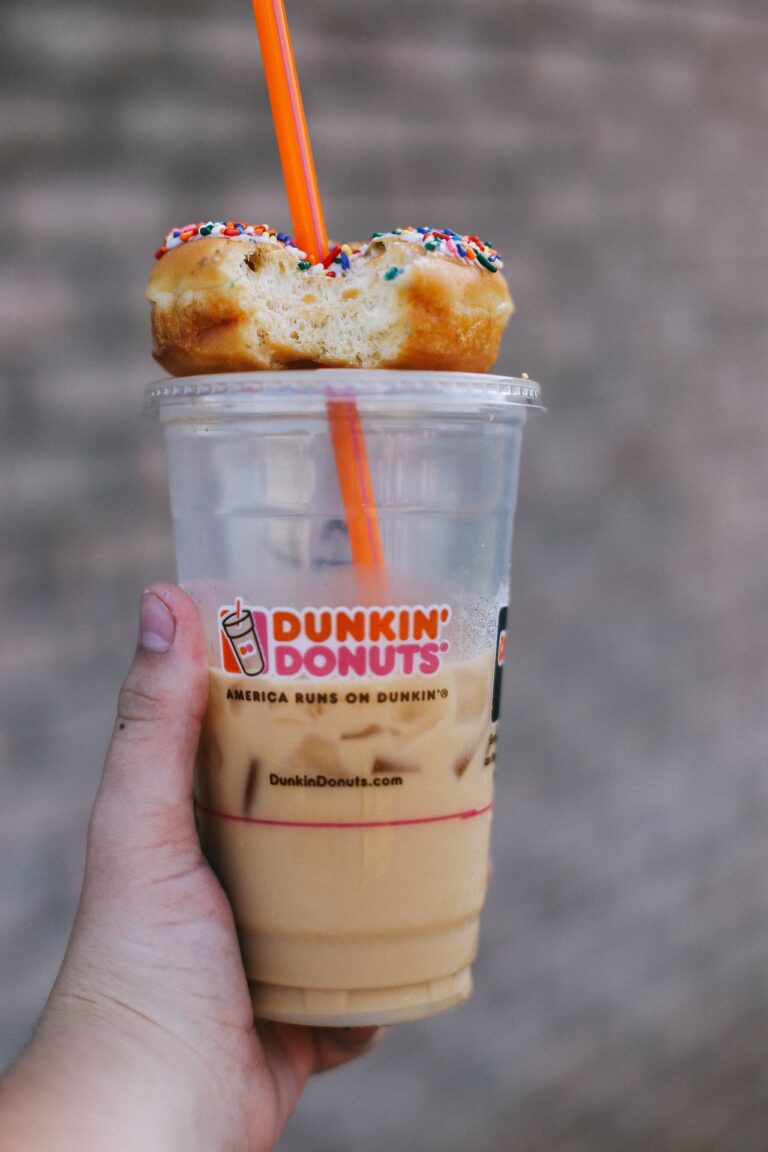
Sugary coffee drinks are suddenly at the center of a national health debate after U.S. Health and Human Services Secretary Robert F. Kennedy Jr. questioned whether some popular beverages sold by Starbucks and Dunkin’ are safe—especially for teenagers.
Speaking at a recent “Eat Real Food” rally in Austin, Texas, Kennedy said he plans to challenge major coffee chains to demonstrate the safety of extremely high-sugar drinks. The comments have sparked discussion about sugary coffee drinks safety, the amount of sugar in modern café beverages, and what it means for everyday consumers trying to make healthier choices.
While the remarks drew strong reactions online, public health experts say the conversation highlights a real issue: many sweetened coffee drinks contain far more sugar than most people realize.
Why Sugary Coffee Drinks Are in the Spotlight
Kennedy’s comments came during an event promoting the administration’s “Make America Healthy Again” initiative, which aims to reduce ultra-processed foods and excess sugar in the American diet.
At the rally, he specifically referenced iced coffee beverages that can contain more than 100 grams of sugar. According to reports, he challenged the companies to provide evidence that drinks with that much sugar are safe for teenagers to consume regularly.
“We’re going to ask Dunkin’ Donuts and Starbucks, ‘Show us the safety data that show that it’s OK for a teenage girl to drink an iced coffee with 115 grams of sugar in it,’” Kennedy said at the event.
The remarks were aimed not only at individual companies but also at the broader food system. Kennedy has argued that ultra-processed foods and high-sugar beverages contribute significantly to chronic health problems in the United States.
However, it remains unclear whether the federal government plans to take regulatory action. Officials have suggested that direct bans on sugar are unlikely, but the debate could lead to discussions about labeling, ingredient oversight, or public health guidance.
How Much Sugar Is in Some Popular Drinks?
One reason the issue has gained attention is the sheer amount of sugar in some specialty coffee beverages.
Many people think of coffee as a relatively simple drink—just brewed beans with maybe a splash of milk. But modern café menus often include syrups, whipped cream, flavored sauces, and sweetened bases that can dramatically increase sugar content.
In some cases, drinks may contain more than 100 grams of sugar in a single serving.
For perspective:
- The American Heart Association recommends no more than 25 grams of added sugar per day for women and children
- For men, the recommended limit is 36 grams per day
That means a single highly sweetened beverage could exceed an entire day’s recommended sugar intake.
Federal dietary guidelines also suggest limiting added sugars to less than 10% of daily calories, though many Americans already exceed that amount regularly.
Coffee chains offer a wide range of drinks, and not all contain excessive sugar. But nutrition experts say it’s easy to underestimate the sugar in flavored coffee beverages because the sweetness is masked by cream, chocolate, or coffee flavors.
What Health Experts Say About Sugary Drinks
While Kennedy’s comments sparked controversy, most health experts agree on one thing: drinking large amounts of sugary beverages regularly can raise health risks.
Dr. Céline Gounder, a CBS News medical contributor, described heavily sweetened drinks in simple terms.
“Your go-to beverage really shouldn’t be liquid candy,” she said while discussing the issue.
Research cited by the Centers for Disease Control and Prevention links frequent consumption of sugary drinks to several health problems, including:
- Weight gain and obesity
- Type 2 diabetes
- Heart disease
- Non-alcoholic fatty liver disease
- Tooth decay and cavities
These risks are tied primarily to long-term, excessive sugar intake—not the occasional treat.
Nutrition experts often emphasize moderation rather than elimination. Having a sweet drink once in a while is unlikely to cause harm for most people. But daily consumption of high-sugar beverages can add up quickly, especially when combined with other sugary foods.
Another challenge is that sugary drinks do not create the same feeling of fullness as solid foods. That makes it easier to consume large amounts of sugar without realizing it.
What This Means for Coffee Drinkers
For millions of Americans, grabbing a latte or iced coffee is part of the daily routine. The current debate around sugary coffee drinks safety does not mean those beverages are about to disappear.
Experts say the conversation is more about awareness than prohibition.
One possible outcome of the national discussion could be clearer labeling or public health campaigns that help consumers better understand how much sugar is in certain drinks. Studies have shown that measures such as warning labels or sugary drink taxes can reduce consumption over time.
In the meantime, nutrition professionals often recommend small changes that allow people to enjoy coffee drinks while cutting back on sugar.
Examples include:
- Asking for fewer pumps of flavored syrup
- Choosing unsweetened or lightly sweetened versions
- Swapping whipped cream for milk or foam
- Trying smaller sizes for specialty drinks
Over time, taste preferences can also shift. Many people find that gradually reducing sugar makes less-sweet drinks taste more enjoyable.
A Bigger Conversation About Sugar in America
The debate sparked by Kennedy’s comments reflects a broader national conversation about sugar and processed foods.
Sugary beverages—from sodas to energy drinks to sweetened coffees—are among the largest sources of added sugar in the American diet. Public health researchers have been studying their impact for decades.
At the same time, these drinks remain extremely popular. For many people, they’re a small daily indulgence that adds comfort or enjoyment to a busy routine.
That tension—between convenience, taste, and long-term health—is at the center of the current discussion.
Whether or not government policy changes, the renewed focus on sugary drinks may encourage more Americans to pay closer attention to what’s in their cup.
And for coffee lovers everywhere, the takeaway is simple: enjoying your favorite drink is perfectly fine—but knowing what’s in it can help you make choices that support your health over the long run.