
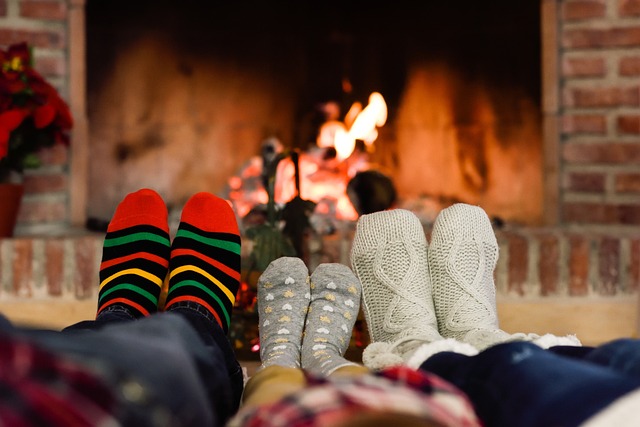
As the leaves change color and temperatures start to dip, many of us turn our attention to keeping our homes warm and comfortable. While heating your home is essential for comfort and safety during colder months, it’s also important to be aware of the potential risks that come with different heating methods. Practicing home heating safety not only prevents accidents but also protects your indoor air quality and overall health. In this guide, we’ll explore the best ways to heat your home safely, including tips for using central heating, space heaters, fireplaces, and supplemental methods, all while maintaining a healthy living environment.
Understanding the Risks of Heating Your Home
Heating devices can be lifesavers during chilly fall months, but they also carry certain risks. Improper use of furnaces, space heaters, or wood stoves can result in fire hazards, carbon monoxide poisoning, and indoor air pollution. According to safety experts, every year thousands of households experience heating-related accidents. These incidents are often preventable with simple precautions and mindful habits.
One common concern is carbon monoxide (CO), an odorless, colorless gas produced by burning fuels. Furnaces, gas stoves, and wood-burning appliances can emit CO if not properly maintained. Symptoms of CO exposure include headaches, dizziness, nausea, and in severe cases, loss of consciousness. Installing carbon monoxide detectors in key areas of your home is a fundamental step in home heating safety.
Another risk is the buildup of dry indoor air. Heating systems can lower humidity levels, leading to dry skin, irritated sinuses, and respiratory discomfort. Proper ventilation, occasional use of a humidifier, and maintaining indoor plants can help balance humidity levels and improve air quality.
Choosing the Right Heating Method
The first step in safe and healthy home heating is selecting the method that works best for your space, lifestyle, and safety needs. Here are some common options and considerations:
Central Heating Systems
Central heating, whether gas, electric, or oil-based, is convenient for warming the entire home evenly. Regular maintenance is key. Replace filters as recommended, schedule annual inspections, and ensure vents and ducts are clean. This not only improves efficiency but also reduces the risk of fires and indoor air contamination. Always follow manufacturer guidelines and never block vents with furniture or other objects.
Space Heaters
Portable space heaters are a popular way to warm specific rooms without turning up the central thermostat. However, improper use can be hazardous. Always place heaters on stable, flat surfaces away from flammable objects such as curtains, bedding, and furniture. Never leave a space heater unattended, and avoid using extension cords, which can overheat and spark fires. Look for models with automatic shut-off features, tip-over protection, and overheat sensors—these built-in safety mechanisms are essential for maintaining home heating safety.
Fireplaces and Wood Stoves
Fireplaces and wood stoves can create a cozy ambiance while providing supplemental heat. To use these safely, have chimneys cleaned and inspected annually to prevent creosote buildup, which can lead to chimney fires. Use screens or glass doors to contain sparks, and never leave a fire unattended. Ensure that smoke detectors are functional and that you have a fire extinguisher nearby for emergencies.
Supplemental Heating Options
Other supplemental options include electric blankets, heated mattress pads, or radiant floor heating. These can enhance comfort, but each comes with safety guidelines. For instance, electric blankets should never be folded while in use, and cords should be checked regularly for damage.
Maintaining Healthy Indoor Air
Home heating safety is not just about preventing accidents—it also includes protecting indoor air quality. Heating systems can circulate dust, mold spores, and other allergens. Here’s how to maintain a healthy indoor environment:
- Change filters regularly: For central heating systems, filters should be replaced every 1–3 months. High-efficiency filters can capture smaller particles, improving air quality.
- Clean vents and ducts: Dust and debris in air ducts can contribute to respiratory irritation. Scheduling professional duct cleaning every few years can help reduce allergens.
- Use humidifiers: Cold, dry air can irritate sinuses and skin. Adding moisture with a humidifier helps maintain comfort and respiratory health.
- Ventilate periodically: Even in cold weather, opening windows for short periods can help circulate fresh air and reduce the concentration of indoor pollutants.
Safety Tips for Families and Pets
Families with young children or pets must take extra precautions. Children and pets are naturally curious and may unknowingly touch heaters, knock over portable units, or approach fireplaces. Always supervise spaces where heating devices are in use, and create physical barriers when necessary.
Additionally, teaching family members about home heating safety—like not covering vents, keeping flammable items away, and understanding emergency protocols—can prevent accidents. Ensure that everyone knows the signs of carbon monoxide exposure and how to respond in case of an emergency.
Energy Efficiency and Cost Considerations
Staying warm doesn’t have to mean overspending or compromising safety. Energy-efficient practices can reduce costs while keeping your home cozy:
- Seal windows and doors: Prevent heat loss by using weather stripping, caulking, and insulated curtains.
- Set thermostats wisely: Lower the temperature slightly when no one is home or during nighttime hours.
- Zone heating: Heat only the rooms you use most with space heaters while keeping other areas cooler.
- Routine maintenance: A well-maintained heating system operates more efficiently, saving energy and reducing hazards.
Summary
As the weather cools, prioritizing home heating safety ensures comfort, protection, and healthier indoor air for you and your loved ones. Regular maintenance of heating systems, safe use of space heaters and fireplaces, and proper air quality practices all contribute to a safer, warmer home. By staying informed and adopting these habits, you can enjoy a cozy and worry-free fall season.