When Kim Kardashian revealed she’d been diagnosed with a brain aneurysm, the update stunned fans and sparked a wave of concern — and curiosity. The 44-year-old reality star shared that doctors had discovered the aneurysm during medical testing, emphasizing how fortunate she felt that it was caught early.
For many, the news was a wake-up call. Brain aneurysms often strike without warning, and in some cases, they can be fatal before a person even realizes something is wrong. Kim’s experience highlights a powerful truth: understanding brain aneurysm symptoms and risks could save your life.
What Exactly Is a Brain Aneurysm?
A brain aneurysm occurs when a weak spot in a blood vessel wall balloons outward, creating a thin, fragile area that can leak or rupture. According to the Cleveland Clinic, aneurysms typically develop where arteries branch — areas prone to stress and high blood flow.
Most aneurysms are small and don’t cause symptoms, meaning people often live unaware they have one. But when an aneurysm ruptures, it can lead to bleeding in the brain (a hemorrhagic stroke), which is a life-threatening emergency.
Risk factors for developing a brain aneurysm include:
- High blood pressure
- Smoking or vaping nicotine
- Family history of aneurysm or stroke
- Certain connective tissue disorders
- Age (most common in adults 40–60)
- Heavy alcohol use or stimulant drugs
While the exact cause isn’t always clear, lifestyle factors and genetics can both play a role — a reminder that even those who appear perfectly healthy, like Kardashian, may still be at risk.
The Warning Signs: Brain Aneurysm Symptoms to Know
Many people never notice an aneurysm until it’s discovered incidentally — as in Kim’s case. However, symptoms can appear if the aneurysm presses on nearby nerves or leaks a small amount of blood.
Possible signs of an unruptured aneurysm may include:
- Persistent pain behind or above one eye
- Vision changes (blurred or double vision)
- Numbness or weakness on one side of the face
- Difficulty concentrating or speaking
But if an aneurysm ruptures, the symptoms can be sudden and severe. The hallmark is often described as a “thunderclap headache” — the worst headache of your life.
Seek emergency medical help immediately if you experience:
- A sudden, intense headache
- Nausea and vomiting
- Stiff neck
- Sensitivity to light
- Seizure or loss of consciousness
These symptoms indicate bleeding in the brain and require immediate ER evaluation. The Cleveland Clinic emphasizes that time is critical — rapid treatment can mean the difference between recovery and devastating injury.
When to Seek Care — and What to Expect
Because aneurysms are often “silent,” they’re sometimes found during imaging tests for other conditions, as Kim’s appears to have been. If your doctor suspects an aneurysm, you may undergo:
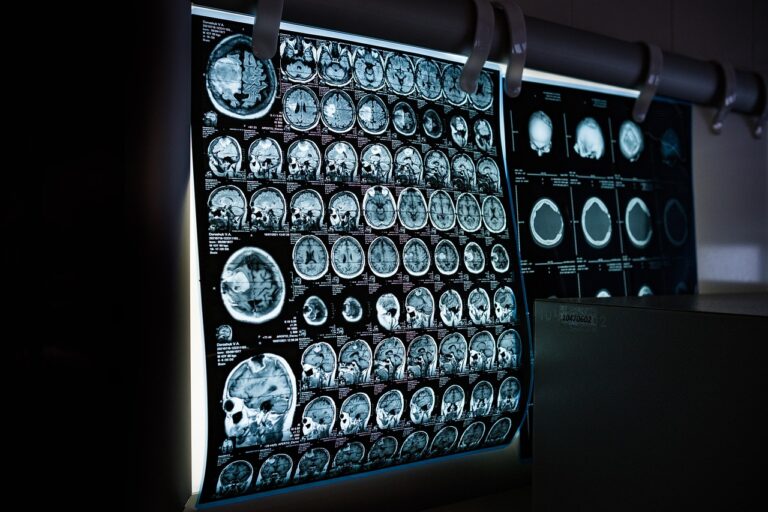
- CT or MRI scans to visualize the brain and blood vessels
- Cerebral angiography, an imaging test that uses contrast dye to detect aneurysm size and location
If an aneurysm is small and stable, doctors may monitor it with regular imaging rather than perform surgery right away.
When intervention is needed, the two main treatments are:
- Surgical clipping – a neurosurgeon places a metal clip at the base of the aneurysm to stop blood flow into it.
- Endovascular coiling – a minimally invasive procedure where soft metal coils are threaded through a catheter to fill the aneurysm, preventing rupture.
Both options aim to prevent rupture and bleeding — and outcomes improve significantly when the condition is caught early.
Reducing Your Risk: Everyday Prevention Steps
While not all aneurysms are preventable, you can lower your risk by focusing on brain and vascular health. The Cleveland Clinic recommends these steps:
- Keep blood pressure under control. Regular checkups and prescribed medications help prevent arterial damage.
- Quit smoking. Nicotine weakens blood vessel walls and increases rupture risk.
- Limit alcohol and stimulant use. Excessive drinking and drugs like cocaine or amphetamines elevate blood pressure dangerously.
- Eat for heart and brain health. A diet rich in fruits, vegetables, and whole grains supports healthy arteries.
- Get regular exercise. Physical activity strengthens circulation and reduces vascular stress.
- Know your family history. If aneurysms or hemorrhagic strokes run in your family, tell your doctor. You may benefit from screening.
Even modest lifestyle changes can dramatically improve long-term vascular resilience — and potentially prevent a sudden, catastrophic rupture.
How Kim’s Experience Raises Awareness
Kim Kardashian has built a career on openness, often sharing personal milestones with millions. Her revelation about a brain aneurysm diagnosis may prompt countless fans to think more seriously about their own health.
Public figures who share medical news — from Selena Gomez’s lupus battle to Bruce Willis’s dementia diagnosis — help normalize health conversations that might otherwise remain private. In this case, Kim’s disclosure underscores an invisible risk that too often goes unnoticed.
By catching her aneurysm before it ruptured, Kim avoided a potentially devastating outcome. Her transparency could inspire others to listen to their bodies, seek medical care for persistent symptoms, and keep up with routine checkups.
A Final Word of Caution and Hope
Aneurysms remind us that the body can harbor silent threats — but knowledge and vigilance can be lifesaving. If you ever experience a sudden, severe headache or neurological changes, don’t wait it out — call 911 or go to the nearest emergency department.
Kim Kardashian’s story is a reminder that health awareness isn’t about fear — it’s about empowerment. Understanding brain aneurysm symptoms, getting screened when appropriate, and maintaining healthy habits can all help protect the most vital organ of all: your brain.