COVID may be fading—but masks still have a place
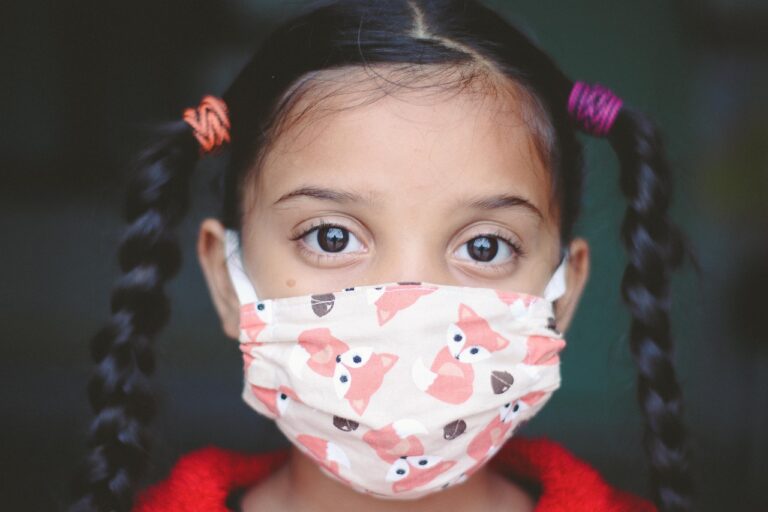
After years of pandemic masking, many people have ditched face coverings altogether. But there are still times when wearing a mask makes sense—for your health and for others.
So when should you still reach for one?
😷 Masks Are Still Useful for Airborne Illnesses
COVID-19 isn’t gone. And viruses like RSV, flu, and even measles can spread quickly in public spaces. A well-fitting mask helps block respiratory droplets—the main way these illnesses spread.
Consider wearing one:
- In crowded indoor spaces (airports, public transport)
- If you’re feeling sick or coughing
- During flu season or a local outbreak
- If you’re caring for someone vulnerable (elderly, immunocompromised)
🛬 Masks and Travel: A Smart Habit
Planes, buses, and terminals are high-touch, low-ventilation zones. Even short flights can mean hours near strangers. Wearing a mask while traveling adds a layer of protection with minimal hassle.
🌫️ More Than Germs: Smoke and Pollution
Masks also help during:
- Wildfire season – N95 masks filter harmful smoke particles
- High air pollution days – especially important for those with asthma or heart issues
The Bottom Line
You don’t have to wear a mask all the time—but having one handy is still smart. In certain settings, a simple mask can prevent illness, protect others, or even shield your lungs from smoke. That’s a win for everyone.