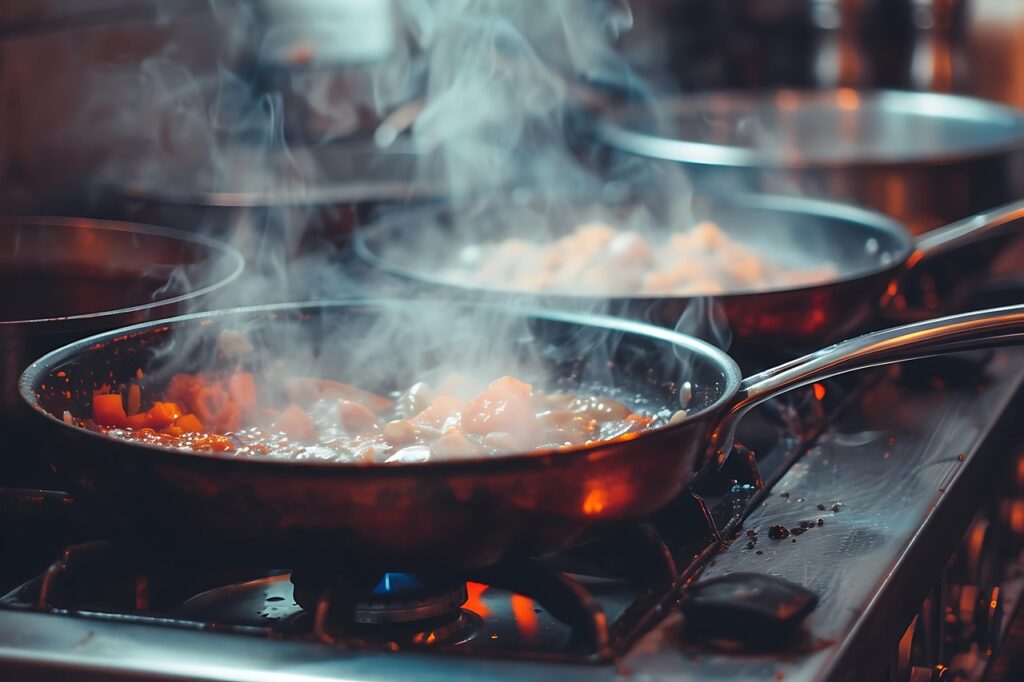
Nonstick cookware has long been a kitchen favorite. From pancakes to stir-fries, it makes cooking and cleanup easier. But recent research has revealed a hidden risk: even minor scratches on a nonstick pan can release thousands of microplastic particles — tiny bits of plastic so small they are invisible to the naked eye. In heavily worn pans, the number of particles can reach into the millions, turning a beloved kitchen staple into a quiet source of contamination.
The study, conducted by a team of environmental scientists, shows that nonstick pan microplastics are not just a minor concern. Each scratch in the coating releases roughly 9,100 microplastic particles. Over time, repeated use can amplify that number dramatically, potentially introducing millions of these particles into the food you cook.
What Are Microplastics?
Microplastics are tiny fragments of plastic less than 5 millimeters in size. They are everywhere — in the oceans, in the air, and increasingly in our food and drinking water. Scientists are still studying the full effects of ingesting microplastics, but early research suggests potential links to inflammation, disruption of gut microbiota, and even interference with hormone systems.
When microplastics come from nonstick pans, they enter the body directly through the food we eat. This raises particular concern because cooking involves heat, which may alter the chemical structure of these plastics and make them more reactive in the digestive system.
Why Nonstick Pans Are a Source
Nonstick coatings, often made from compounds like polytetrafluoroethylene (PTFE), are designed to prevent food from sticking. While safe when intact, these coatings are vulnerable to scratches from metal utensils, abrasive sponges, or even normal wear over time.
Each scratch exposes underlying layers of the coating, which can flake off during cooking. In a lightly scratched pan, the number of microplastic particles released may be in the thousands. In a heavily worn or old pan, that number skyrockets to the millions, according to the study.
This makes even careful cooks potential victims of microplastic ingestion without realizing it. It’s not something you can see or taste, yet it may be entering every meal.
Who Is at Risk?
Everyone who uses nonstick cookware is technically at risk, but certain factors can increase exposure:
- Age of the pan: Older pans with worn coatings release more particles.
- Cooking style: High-heat cooking or frequent stirring with metal utensils accelerates wear.
- Frequency of use: Daily use increases cumulative exposure over time.
While occasional use of nonstick pans is unlikely to cause major issues, regular exposure could be concerning, particularly for children, pregnant individuals, or those with existing digestive sensitivities.
What Experts Recommend
Health and environmental experts suggest several ways to minimize risk from nonstick pan microplastics:
- Inspect your cookware regularly: Look for scratches, peeling, or flaking. Replace pans that show significant wear.
- Switch to safer utensils: Use wooden, silicone, or plastic spatulas instead of metal tools that can scratch the surface.
- Moderate cooking temperatures: High heat accelerates the breakdown of nonstick coatings. Stick to medium heat when possible.
- Consider alternative cookware: Stainless steel, cast iron, or ceramic-coated pans may be safer long-term options.
These steps can help reduce the amount of microplastic particles in your meals while still allowing you to enjoy nonstick convenience.
The Bigger Picture
Microplastics are just one example of how everyday household items can impact health in subtle ways. From bottled water to cosmetic products, plastic exposure is pervasive. The nonstick pan study adds another layer of concern, showing that what we often consider safe kitchen tools may be quietly contributing to a growing public health issue.
Researchers caution that more study is needed to understand the exact health effects of ingesting microplastics from cookware. However, minimizing exposure whenever possible is a practical step — and one that aligns with broader advice on reducing plastic in food and the home.
Takeaway for Home Cooks
Nonstick cookware remains convenient, but awareness is key. By inspecting your pans, choosing safer utensils, moderating heat, and replacing worn cookware, you can continue cooking with confidence while protecting yourself from microplastic exposure.
As our understanding of nonstick pan microplastics grows, the message is clear: small changes in the kitchen today can make a big difference for your long-term health.