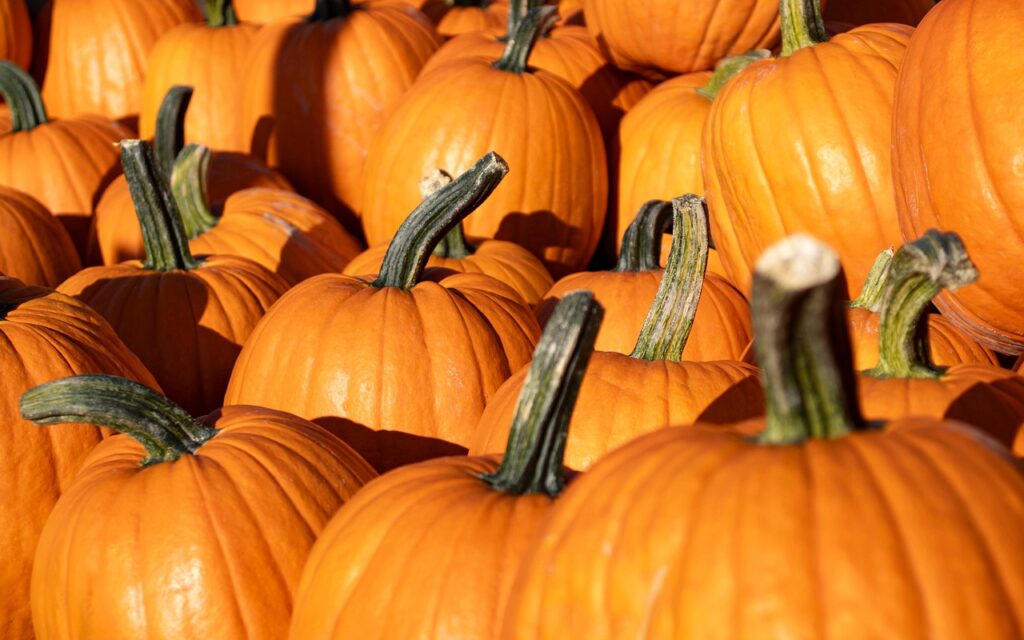
Autumn isn’t complete without pumpkin spice lattes, pumpkin pies, and the cheerful sight of orange gourds on doorsteps. But pumpkin isn’t just a seasonal decoration—it’s a nutritional powerhouse with benefits that go far beyond festive flavor. Whether roasted, pureed, or added to soups, pumpkin offers nutrients that support overall health, making it the ultimate fall superfood.
Rich in Vitamins and Minerals
Pumpkin is packed with vitamins that help your body stay strong during the fall. Beta-carotene, the pigment that gives pumpkin its vibrant orange color, converts to vitamin A in the body. Vitamin A supports eye health, immune function, and skin integrity. A single cup of cooked pumpkin provides more than 200% of your daily vitamin A needs.
In addition to vitamin A, pumpkin is a good source of vitamin C, potassium, and magnesium. Vitamin C helps strengthen your immune system, while potassium supports heart and muscle health. Magnesium plays a role in hundreds of enzymatic processes in the body, including energy production and nerve function.
Fiber for Digestive Health
Pumpkin is also high in dietary fiber, which aids digestion and promotes feelings of fullness. Eating fiber-rich foods can help regulate blood sugar, support gut health, and even assist with weight management. Adding pumpkin to your meals—whether in soups, stews, or baked goods—provides a tasty way to boost fiber intake naturally.
Antioxidants for Immune Support
Fall is cold-and-flu season, and pumpkin’s antioxidant content can help protect the body from oxidative stress. Beta-carotene, along with other antioxidants found in pumpkin like alpha-carotene and lutein, helps neutralize free radicals that can damage cells. These compounds contribute to overall immune health and may help reduce inflammation in the body.
Heart Health Benefits
Potassium, fiber, and antioxidants in pumpkin make it a heart-friendly food. Potassium helps regulate blood pressure, fiber supports cholesterol balance, and antioxidants reduce inflammation—all key components of cardiovascular health. Regularly including pumpkin in your diet can be a simple way to support long-term heart health.
Easy Ways to Enjoy Pumpkin
Pumpkin is versatile in the kitchen. You can:
- Roast cubes with olive oil and fall spices
- Blend pumpkin puree into soups and stews
- Add pumpkin to smoothies for a creamy texture
- Bake pumpkin muffins or bread for a fiber-rich treat
Even savory dishes benefit from pumpkin’s natural sweetness and nutritional boost.
The Bottom Line
Pumpkin isn’t just a seasonal indulgence—it’s a nutrient-packed superfood that supports eye health, immunity, digestion, and heart health. Embracing pumpkin in your fall diet is an easy, delicious way to enjoy the season while fueling your body with essential vitamins, minerals, and antioxidants.