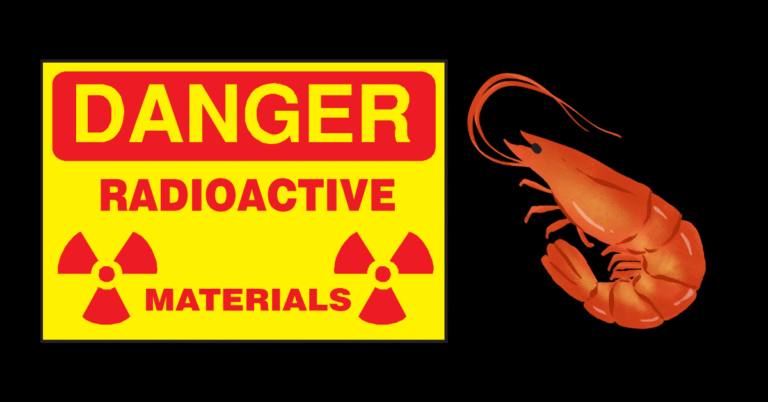
A new warning from the U.S. Food and Drug Administration (FDA) has raised eyebrows—and alarm bells—about the safety of frozen shrimp sold across the country. The agency announced that multiple brands of shrimp distributed in at least nine states may have been contaminated with cesium-137, a radioactive isotope more commonly associated with nuclear reactors and cancer treatment devices than dinner plates.
The recall, though limited in scope, highlights a much broader public health concern: how radioactive material ended up associated with imported seafood in the first place, and how regulators can ensure such a problem doesn’t extend deeper into the U.S. food supply.
What Happened
According to the FDA’s announcement, California-based Southwind Foods issued a voluntary recall of certain frozen shrimp products after inspectors flagged potential contamination with cesium-137. Around the same time, regulators also issued a separate alert involving imported shrimp distributed by Indonesia’s BMS Foods, which supplies frozen seafood to Walmart under the Great Value brand.
Customs and Border Protection reportedly detected signs of cesium-137 at four separate U.S. ports. Subsequent FDA testing confirmed the isotope in samples tied to BMS Foods. While the agency emphasized that no shrimp confirmed as contaminated has yet entered the consumer market, the warnings and recalls are being treated with utmost seriousness.
Why Cesium-137 Is a Concern
Cesium-137 (Cs-137) is not something most people expect to hear about in the context of food safety. Produced through nuclear fission, the isotope has legitimate uses in medicine—such as radiation therapy—and in industrial gauges that measure fluid flow. But it is also a well-known environmental contaminant, particularly after nuclear accidents like Chernobyl and Fukushima.
Health risks depend on exposure level. According to the Centers for Disease Control and Prevention (CDC), ingestion of significant amounts of Cs-137 can cause radiation burns, acute radiation syndrome, and—in high doses—death. Chronic, low-level exposure carries the potential for increased cancer risk. The idea of even trace amounts entering the food supply is enough to spark widespread concern.
Public Health and Safety First
While the FDA stressed that the contaminated shrimp had not been cleared for sale to the public, the recall underscores how quickly food safety issues can escalate in a globalized supply chain. Shrimp is the most widely consumed seafood in the United States, with most of it imported. A contamination issue—even if rare—could affect millions of households if not identified and stopped at the border.
For consumers, the message is straightforward: if you have recently purchased frozen shrimp, especially during the July 17–August 8 distribution window, double-check packaging against FDA recall information. Any product potentially linked to the recall should be discarded immediately. Retailers and distributors have been advised to pull the shrimp from shelves and not to serve it under any circumstances.
Why This Matters Beyond Shrimp
The larger issue is not only whether certain batches of shrimp are safe but also how contamination occurred at all. Was it a problem with handling in shipping containers? Was radioactive material present at the source of production? Or did it stem from lapses in sanitary controls?
The FDA has already added BMS Foods of Indonesia to a new import alert, meaning none of its products will be allowed into the United States until the company addresses contamination concerns. This is a serious step that reflects the level of risk regulators perceive in this case.
Consumers, meanwhile, are left with unsettling questions. If radioactive isotopes can show up in imported shrimp, how confident can the public be about the oversight of other widely consumed foods? The episode illustrates the need for robust monitoring not just at points of entry but throughout the food production and supply chain.
The Bottom Line
So, should you be worried? The FDA’s testing and early recall action suggest that radioactive shrimp has not made it to consumers’ plates. That’s reassuring. Still, the situation serves as a reminder of how vulnerable the food supply can be to contamination from unexpected sources.
For now, the safest approach is clear: if you’ve purchased frozen shrimp recently, check the FDA recall notices. When in doubt, throw it out. And as regulators continue to investigate, this story is a reminder that food safety is not just about avoiding spoiled or undercooked products—it’s about ensuring the invisible, and sometimes unthinkable, risks are kept far from the dinner table.